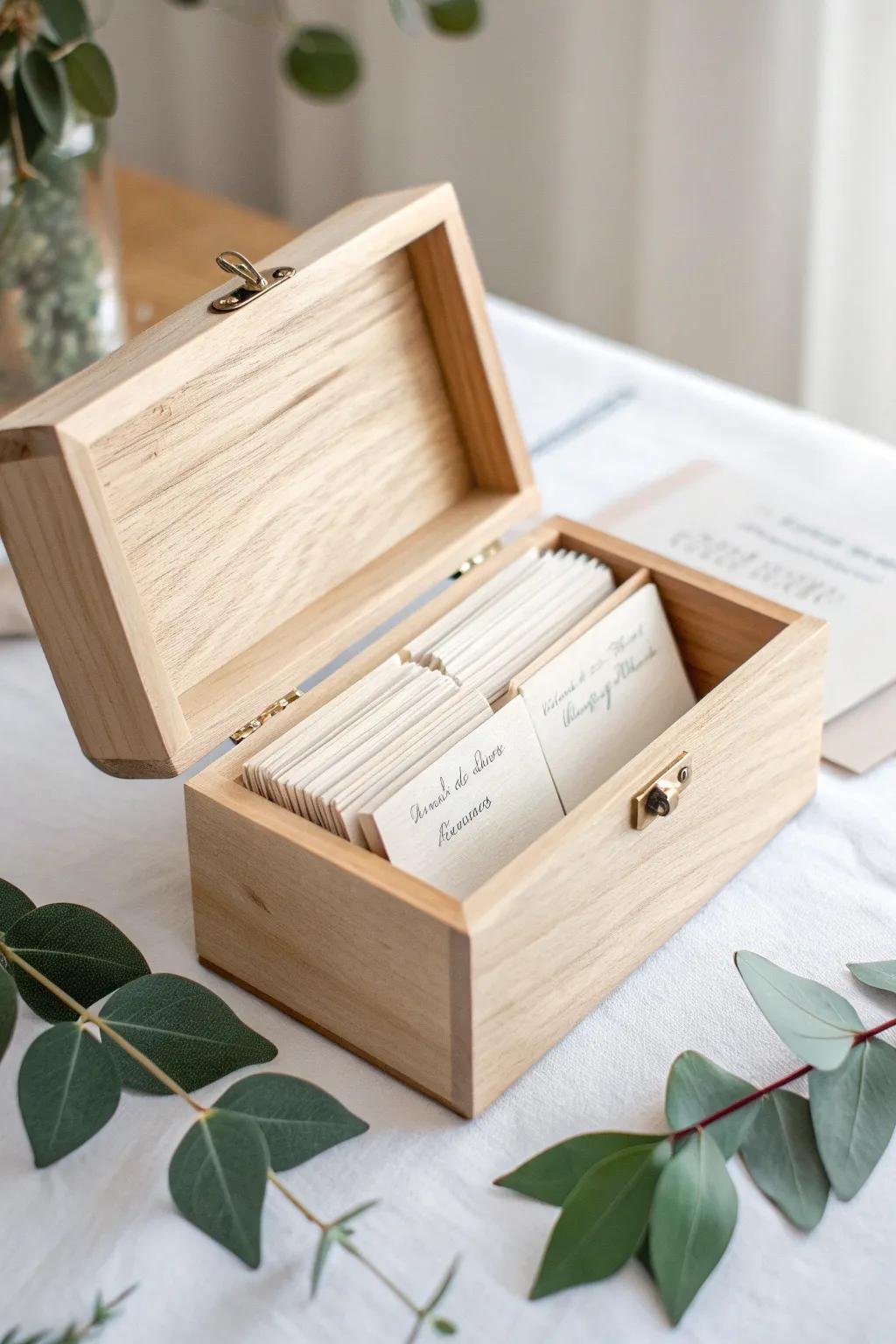
A tarot deck is 78 pieces of printed cardstock, and cardstock has ordinary enemies: damp air, sunlight, bent corners, and the slow transfer of oil from your hands. Nothing about storing tarot cards is mystical. Keep them the way you would keep any printed thing you want to last, and the deck will outlive your interest in it.
What actually damages cards
Humidity does the most harm. Cards absorb moisture from the air, swell, warp, and stick together, and a warped deck never shuffles the same again. Sunlight fades the faces and heat warps the stock, so a deck left on a sunny shelf ages in months. Skin oil darkens the edges a little more with every reading. Bending comes from careless shuffling, tight rubber bands, and bags that let the deck rattle around. Knowing this list is most of the battle, because every storage choice below answers one of these four.

The box it came in is fine
The tuck box your deck shipped in is a perfectly good home. It keeps light off the cards, holds them snug so they do not bend, and costs you nothing extra. Replace it when it falls apart, not before. If your deck arrived in a flimsy wrapper instead of a box, that is the one case where buying storage is worth it right away.
Bags and boxes
A soft bag protects against dust, light, and scratches. Velvet, cotton, and silk all work, and a drawstring closure keeps the deck from sliding out. A rigid box protects against bending and crushing. Many readers use both: the deck goes in a bag, and the bag goes in a box. For a deck you read with often, that combination is hard to beat, and a nice pouch makes the daily handling feel deliberate.

Humidity is the real enemy
If you remember one section of this article, make it this one. Store decks in the driest room of the house, never in the bathroom, the kitchen, or a damp basement. A couple of silica gel packets inside the storage box absorb the moisture that seeps in, and you can recharge them in a low oven when the indicator beads change color. In a humid climate, an airtight container with a fresh packet is the safest option. If your cards ever feel limp or tacky, give them a day in an air-conditioned room before you decide they are ruined. They often recover.
Light, heat, and handling
Keep decks out of direct sun. A drawer, a shelf away from the window, or a closed box all do the job. Never leave a deck in a hot car. Wash and dry your hands before long reading sessions, since clean hands slow the darkening of the edges more than any product. Shuffle with a light touch. If you riffle hard enough to bend the cards, learn a gentler method and save your deck years of wear.
Traveling with a deck
A deck that travels will wear faster than one that stays home, so some readers keep a second, cheaper deck for the road. If you are in the market for one, how to choose your first tarot deck covers what to look for in a sturdy everyday deck. Pack the deck in its bag inside a hard case or a rigid box, and keep it in your carry-on where temperature and pressure stay steady. The cargo hold of a plane is cold, damp, and rough on cardstock.

A simple routine that works
After a reading, stack the deck neatly, slide it into its bag, put the bag in its box, and return the box to its shelf. Once a month, fan through the cards and check for bent corners or sticky spots. Knowing how a tarot deck is structured helps here: when you know the deck holds 78 cards in a fixed order, a quick count tells you nothing has gone missing. That is the entire system. Decks do not need much. They need dryness, darkness, and a home they return to after every reading.