
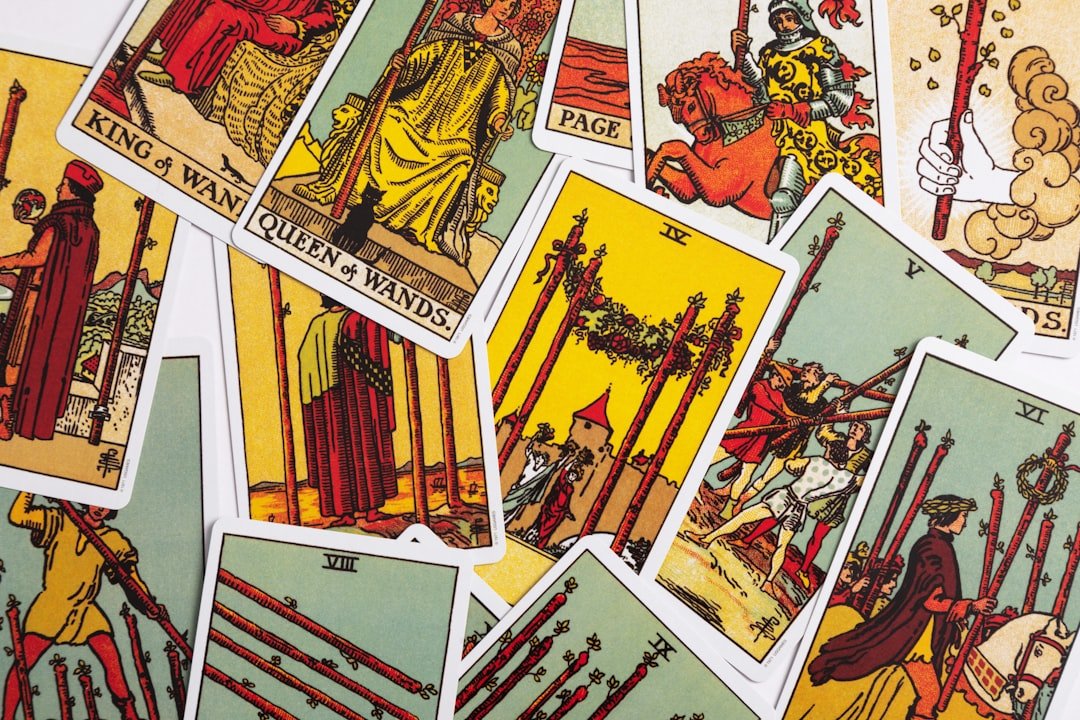
Ten cards, ten fixed positions, one layout everyone recognizes. The Celtic Cross is the classic tarot spread, and its reputation for being complicated is mostly undeserved. Each position is a simple question. Learn the questions and the spread starts to read itself.
A quick note on where it comes from: the layout most readers use today was published by A. E. Waite in the Pictorial Key to the Tarot in 1910. Older and newer variants exist, but the ten positions below are the standard version, and they are the ones worth learning first.

The cross: positions 1 to 6
Cards 1 through 6 form the cross at the center of the layout. Together they describe the situation itself: what it is, what pushes against it, where it came from, and where it is going.
1. The heart of the matter
The central card. This is what the reading is about, the present situation in one image. Read this card first and let it set the tone.
2. The crossing card
Laid sideways across card 1. This is what complicates the situation or pushes against it. It is not always an obstacle. Sometimes it is the very thing driving the matter forward. Read cards 1 and 2 as a pair before you move on; reading two tarot cards together is a skill the whole spread depends on.
3. Below: the root
Placed under the center. This is what sits underneath the situation: the foundation, often reaching into the distant past. It answers why this is happening now.
4. Behind: what is passing
Placed to the left of the center. The recent past, already moving away. This card is leaving the picture, which matters when it looks important.
5. Above: the crown
Placed above the center. Where things are heading if nothing changes, and also the best that can be hoped for. Teachers word this position differently, and both readings are in use, so let the card tell you which one fits.
6. Before: the near future
Placed to the right of the center. What is coming into view. Near means near: weeks, not years.
The staff: positions 7 to 10
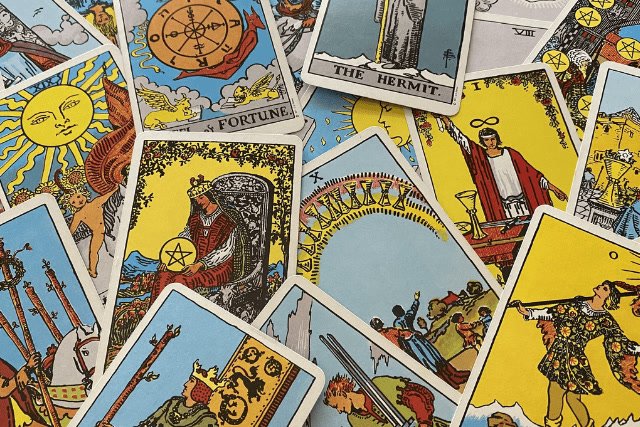
Four cards in a vertical line beside the cross. Where the cross describes the situation, the staff describes you: your attitude, your surroundings, and where the path leads.
7. Yourself
Your attitude toward the matter right now. This card sometimes flatters and sometimes stings. Both are useful.
8. Your environment
The people and circumstances around you: family, colleagues, friends, the mood of the room. Outside influences, in one card.
9. Hopes and fears
What you want and what you dread. These often turn out to be the same thing wearing different clothes, which is why the position earns its keep.
10. The outcome
Where the current path leads. Treat this as a direction, not a verdict. If you change course, the outcome changes with it.
A worked example
Question: “I was offered a new job. Should I take it?” Ten cards, all upright:
- The heart of the matter: the Fool
- Crossing it: the Five of Pentacles
- Below, the root: the Page of Cups
- Behind, passing: the Three of Swords
- Above, the crown: the Star
- Before, the near future: the Knight of Wands
- Yourself: the Seven of Pentacles
- Your environment: the Three of Cups
- Hopes and fears: the Nine of Swords
- The outcome: the Ten of Cups

Read the cross first. The Fool at the center says a leap is on the table, and the Five of Pentacles crossing it names the worry underneath: money fears during a transition. The root, the Page of Cups, points to a long-held wish for work that feels meaningful. Behind it, the Three of Swords is a painful ending at the old job, already passing. Above, the Star is genuine hope, and the Knight of Wands before it says things are moving fast.
Now the staff. The Seven of Pentacles as yourself is the weighing-up mood: will the effort pay off? The Three of Cups in the environment says friends and colleagues are supportive. The Nine of Swords in hopes and fears is the 3 a.m. worry about making the wrong call. The Ten of Cups as outcome points toward lasting satisfaction on this path.
Notice what the reading does and does not do. It does not say “take the job.” It lays out the real shape of the decision: the wish underneath it, the fear crossing it, the speed of events, and the direction things point. That is what ten cards are for. Interpreting multiple cards together is mostly this: reading positions as one story instead of ten separate fortunes.
Tips that actually help
Always read positions 1 and 2 as a pair first; they frame everything else. If one position makes no sense, move on and come back to it at the end, because later cards often explain earlier ones. Write the layout down. Ten cards are too many to hold in memory, and your notes become a record you can revisit when the situation plays out.

One last honest note. Reversals are optional in this spread, and many experienced readers skip them here to keep ten cards manageable. The positions already give you enough to work with. Start with the questions, trust the plain-English meanings, and let the spread do the heavy lifting.