
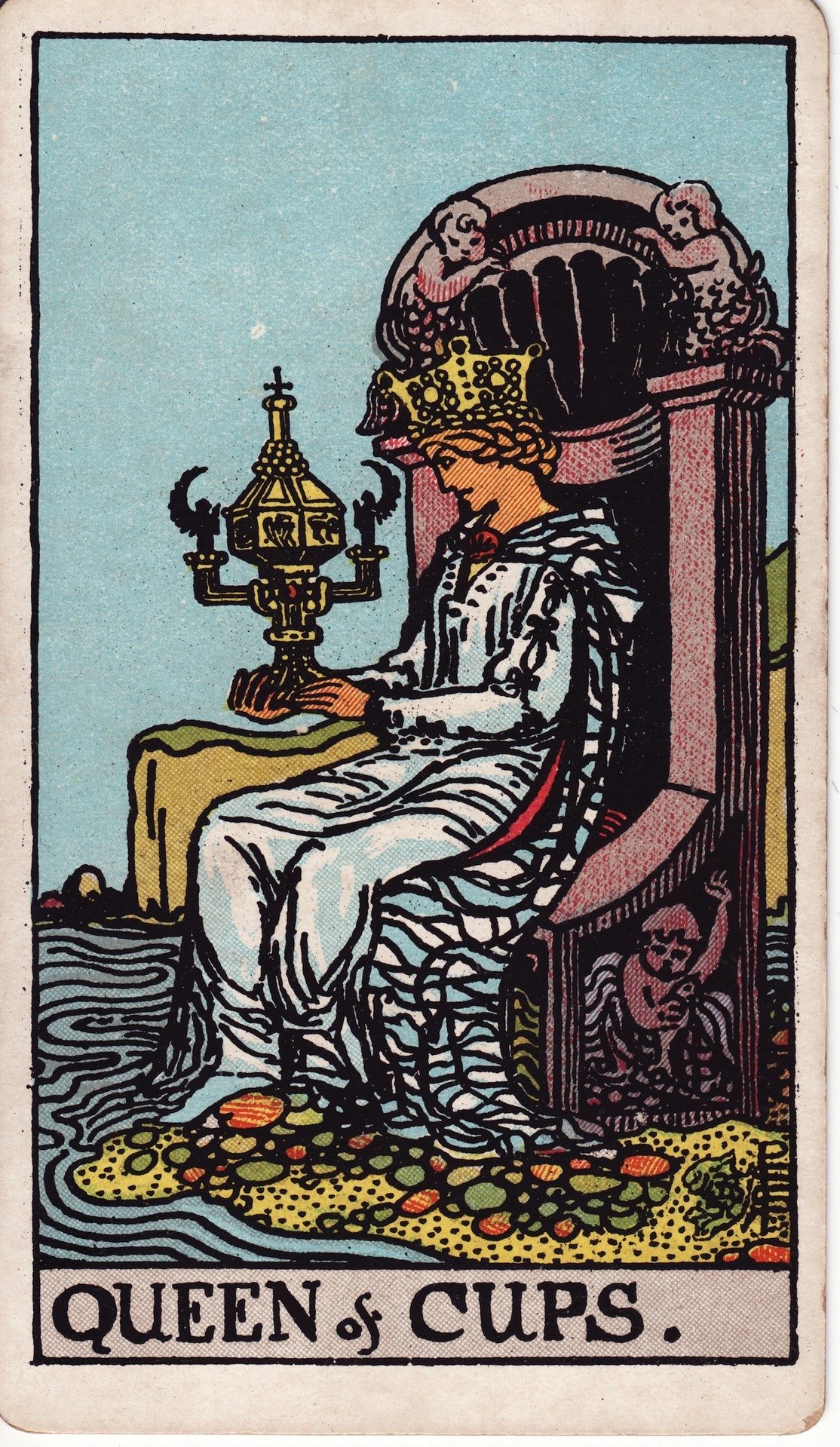
One court card in a spread usually means one person, or one way of acting. Two or three court cards together mean something more interesting: a relationship, a group dynamic, or a conversation between parts of yourself. Reading court cards in combination is a distinct skill from reading them singly, and it is where many readers get stuck. Here is how to handle the crowd.
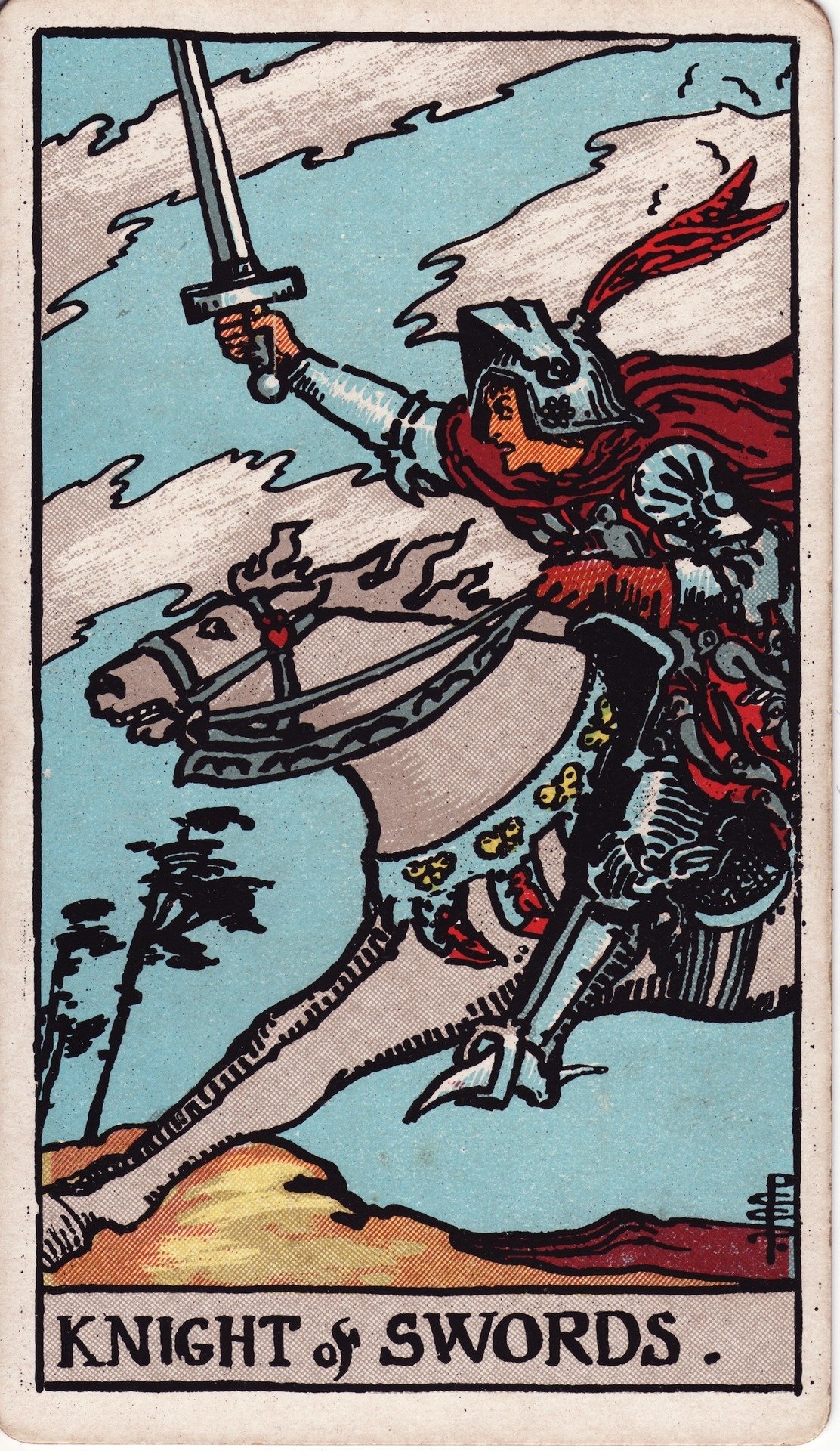
First, check the suits before the ranks
When multiple courts land together, look at the suit mix first. Courts of the same suit describe people operating in the same territory: two Cups courts are an emotional alliance or entanglement, two Swords courts are a meeting of minds or a clash of them. Mixed suits describe a collision of approaches, like a Wands court and a Pentacles court pulling in different directions.
The suit combination sets the scene. A Cups court beside a Swords court in a relationship reading often describes the classic feeling-versus-thinking split, whether between two people or inside one person. Read the suits as the languages being spoken before you worry about who is speaking.
Read ranks as roles, not ages
Pages, Knights, Queens, and Kings describe styles of engagement more than they describe ages. In combination, the ranks become roles in a small drama. A King and a Page of the same suit often read as mentor and student, or authority and newcomer. Two Knights suggest competing drives, both wanting to charge ahead. Two Queens can describe collaboration or quiet rivalry, depending on the question and the surrounding cards.
When the same rank appears twice, the shared rank is the point: two Kings means the reading is about authority and control, two Pages means it is about learning and beginnings. If court card ranks still feel slippery, our guide to tarot court cards without the confusion breaks down what each rank describes.
Watch which way they face
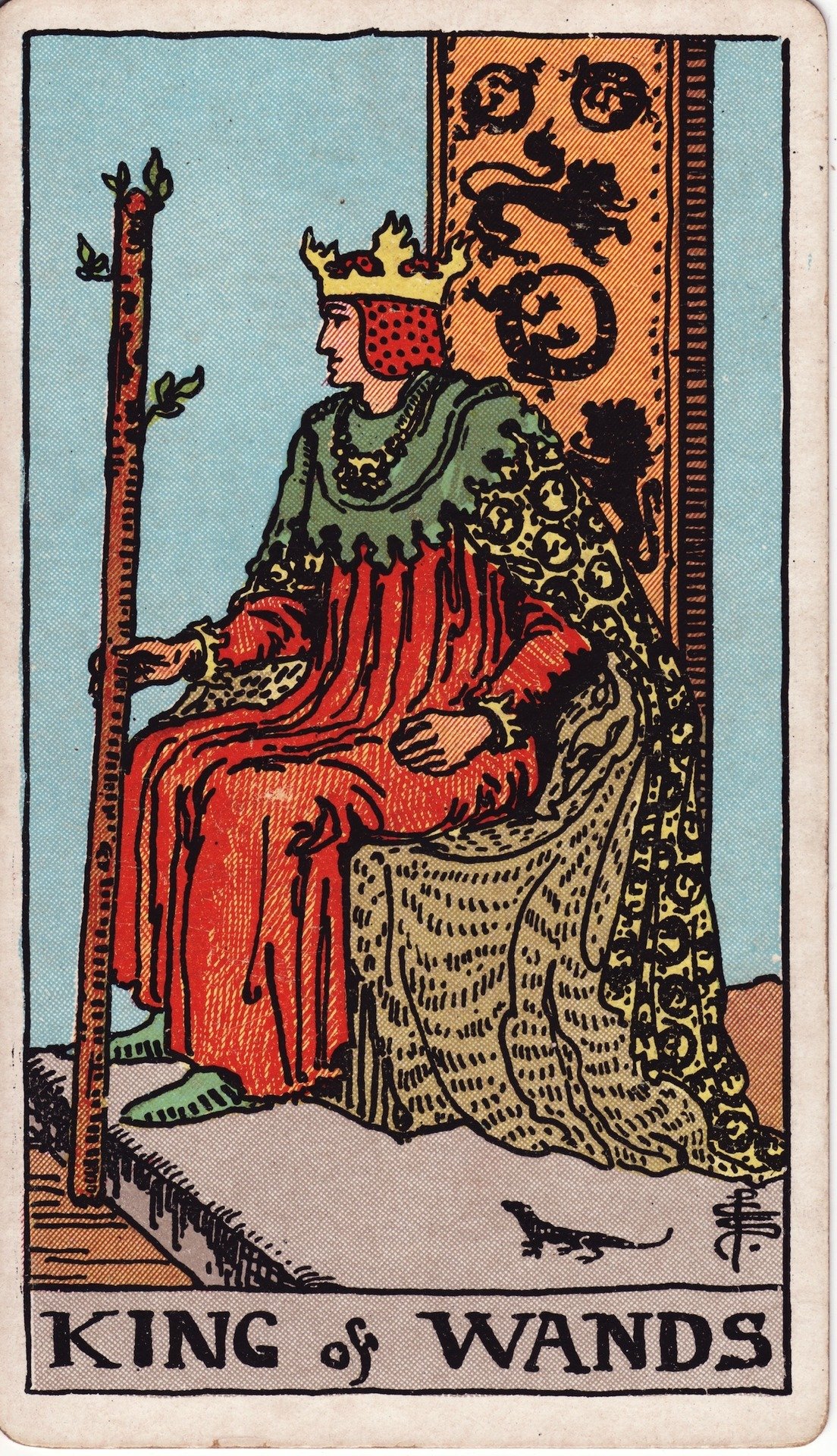
This is the technique most beginners miss. In the Rider-Waite-Smith deck and most decks that follow it, court figures face left or right. When two courts face each other, they are engaged: talking, confronting, connecting. When they face away, they are disconnected or avoiding. A Queen of Cups gazing toward a Knight of Pentacles reads very differently than the same two cards turned back to back.
Use facing as a modifier, not a verdict. It tells you about the direction of attention between the figures, which sharpens whatever the suits and ranks already suggested. A facing pair in a conflict reading means the conflict is active; an averted pair means it is being avoided.
Three courts and the odd one out
Three court cards usually contain a pair and an outsider. Two share a suit or face each other, and the third stands apart. Identify the odd one out and ask what it represents: the third party in a relationship, the part of yourself not yet integrated, the influence entering from outside. The structure of two-plus-one is one of the most reliable patterns in combination reading.
When three or more courts share one suit, the reading is saturated with that suit’s energy. Three Wands courts in a career spread signal more than three people; the whole situation runs on ambition and momentum. Step back from identifying individuals and read the suit’s dominance. Our guide to how to interpret multiple tarot cards together covers this zoom-out move in full.
People, parts of self, or situation
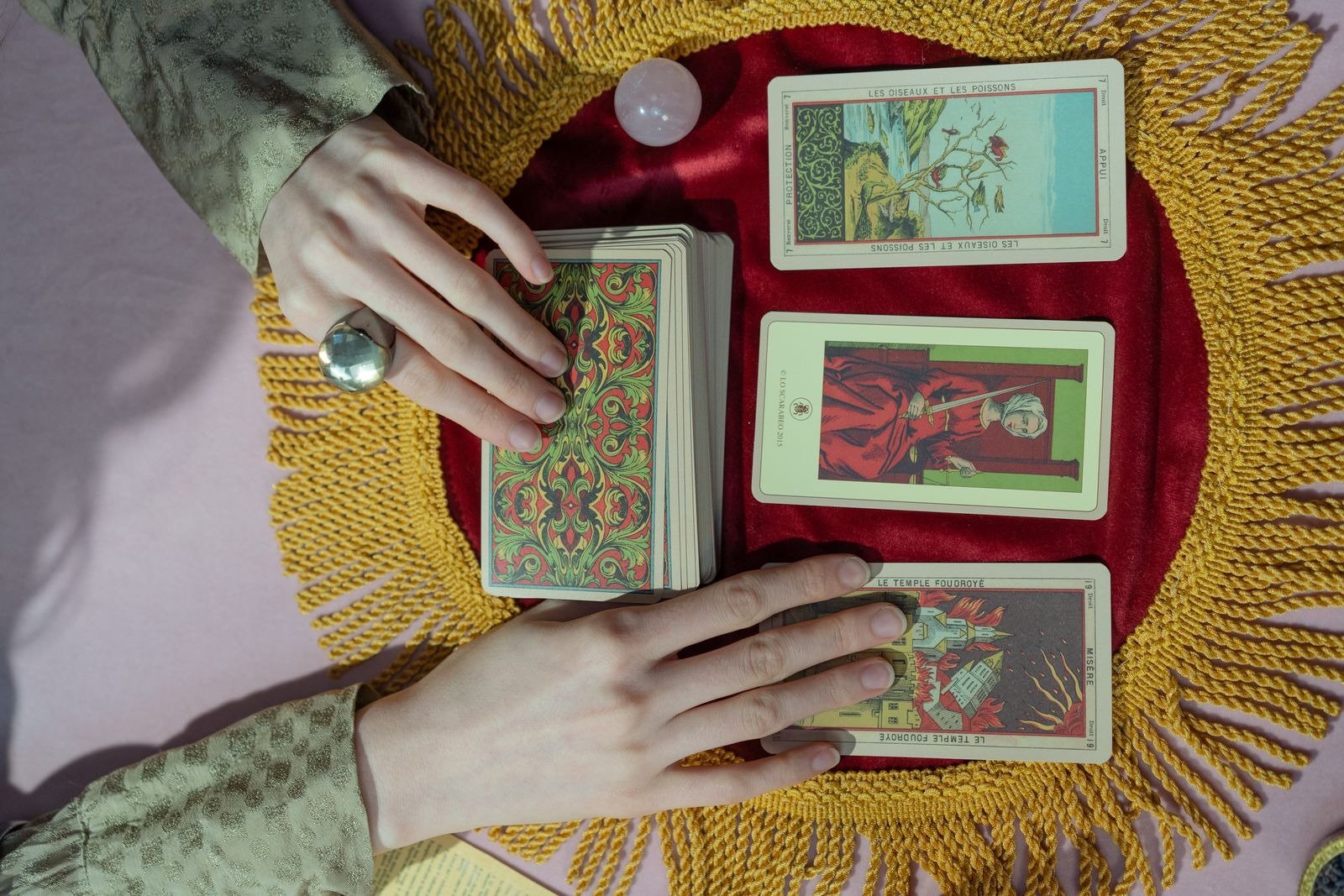
The last question with any court combination is what the courts stand for. They can represent actual people, facets of the querent, or roles within a situation. Let the question decide. In “how does my team see me,” courts are people. In “what is blocking my decision,” they are inner voices. In “what is the dynamic at work,” they are positions in a system.
When in doubt, try the reading both ways. Courts-as-people and courts-as-facets will each produce a coherent story, and the one that clicks with the querent’s situation is the right one. Court combinations reward this flexibility: a crowd of people cards is the deck’s way of saying the situation is social, and social situations always have more than one true description.