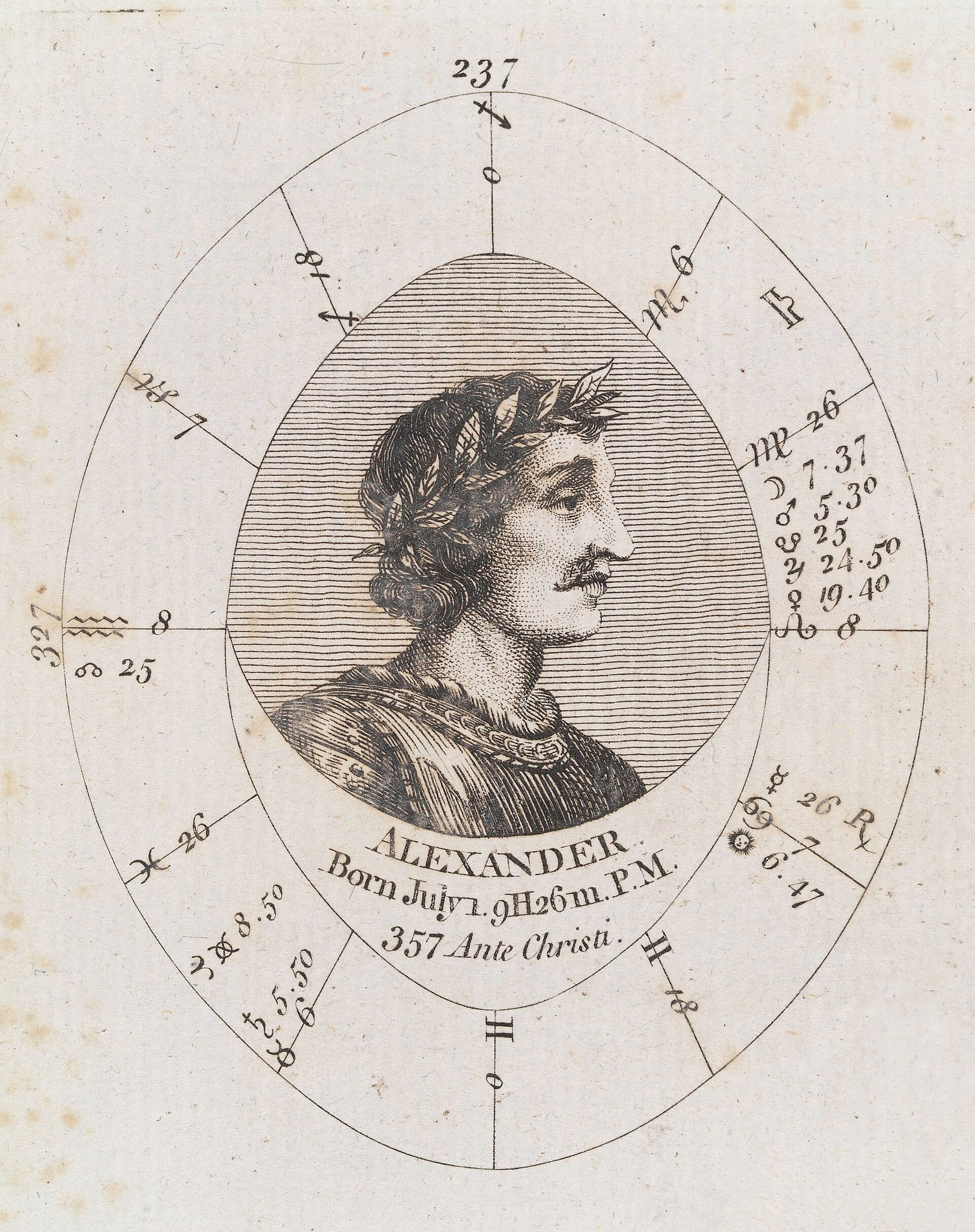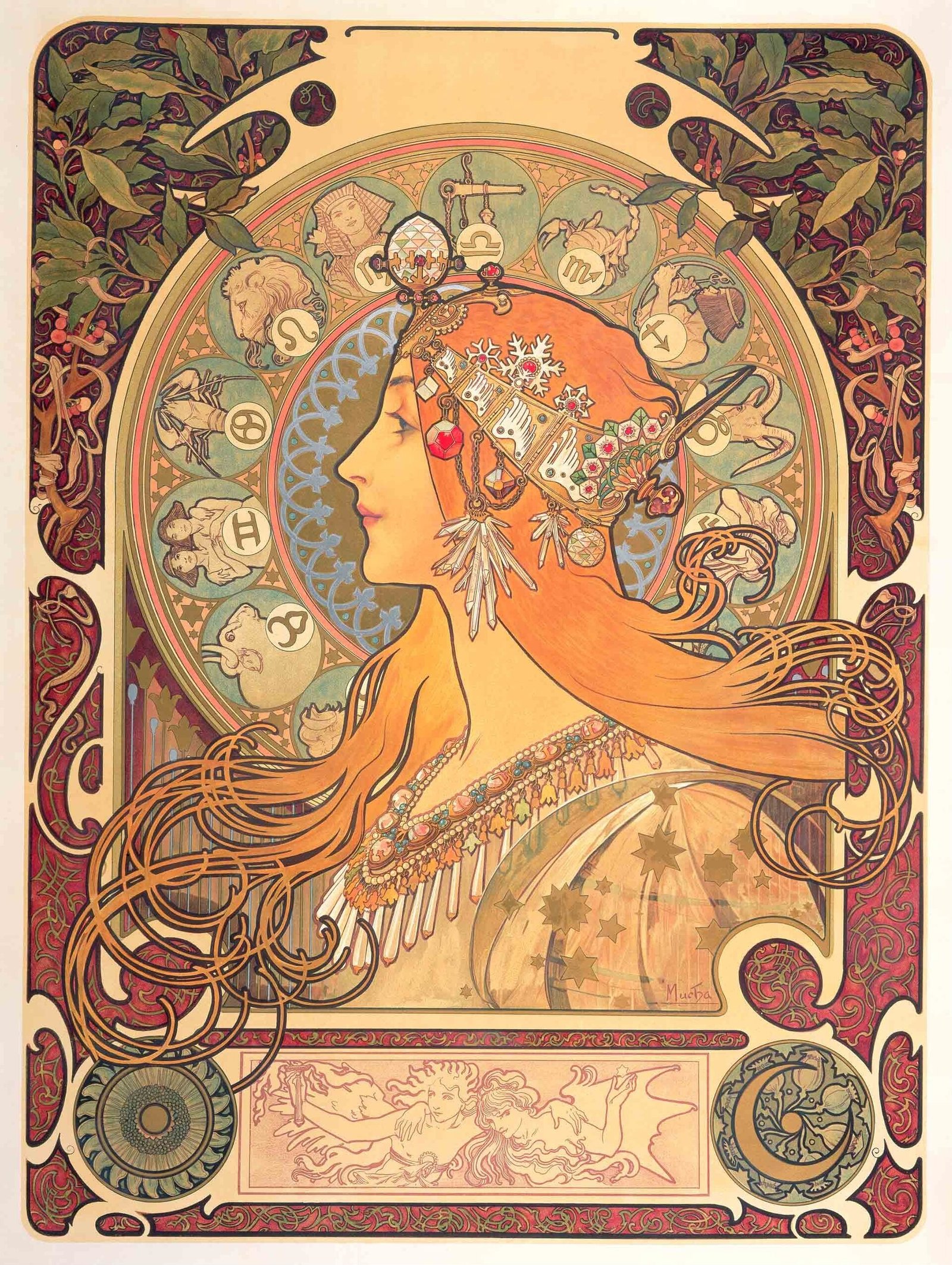
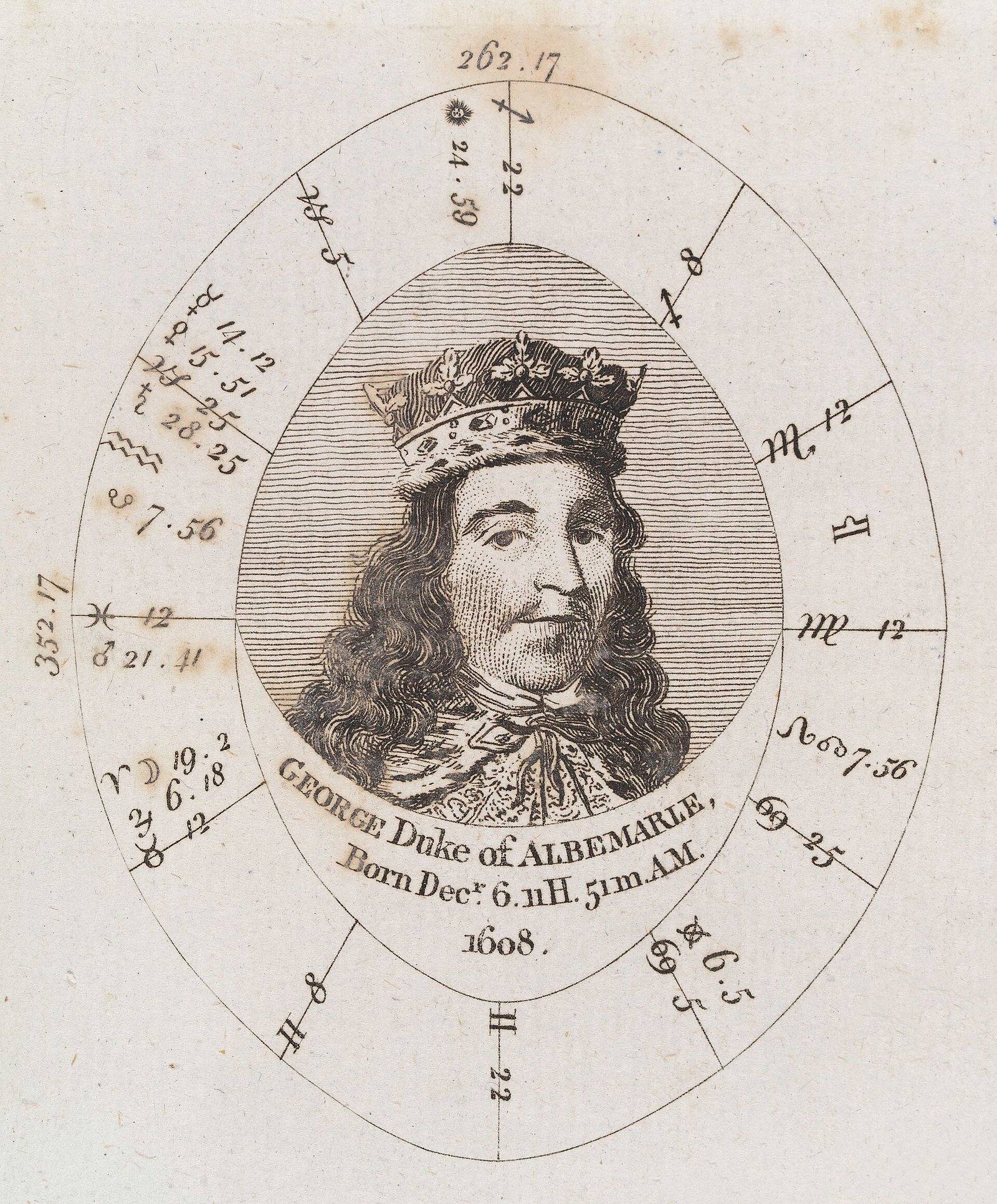
A birth chart is a map of the sky at the moment you were born, divided into twelve sections called houses. Each house covers one area of life: money, home, work, relationships, and so on. A planet in a house shows where that planet’s energy tends to show up in your days. If the whole idea of houses is new, read what a house system is first. This is the quick tour: one paragraph per house, the whole wheel in twelve stops.
First house: you, meeting the world
The first house covers the self you present: appearance, manner, first impressions, and how you start things. Astrological tradition treats this house as the most personal, since the rising sign sits on its edge. Planets here tend to be loud in the personality. Mars in the first house reads as directness. Saturn there reads as reserve.
Second house: money and what you keep
The second house covers earned money, possessions, and the values behind them. It is about what you have and what you think it is worth. Venus here often points to comfort spending. Jupiter here points to a habit of landing on your feet financially. Tradition links this house to self-reliance more than luck.
Third house: words and nearby life
The third house covers communication, learning, short trips, neighbors, and siblings. It is the busiest small-scale house: messages, errands, daily conversation. Mercury here usually means a quick, curious mind. A packed third house reads as a life full of talk and local movement.
Fourth house: home and roots
The fourth house covers home, family, and the past you come from. It sits at the bottom of the chart, and tradition reads it as the foundation everything else stands on. The Moon here often points to a strong pull toward home and family life. This house matters most in questions about where you belong.
Fifth house: play and making things
The fifth house covers creativity, romance, fun, and children. It is the house of things done for joy rather than duty. Venus here often marks a love of pleasure and art. The Sun here points to a need to shine, to be seen enjoying life rather than just getting through it.
Sixth house: work and the daily routine
The sixth house covers the job as a daily practice: routines, duties, coworkers, and health habits. It is less about career glory and more about how Tuesday goes. Mercury here often marks skill with systems and details. Planets here tend to show up as standards you hold yourself to.
Seventh house: one-on-one bonds
The seventh house covers partnerships: marriage, long-term relationships, and close business ties. Tradition reads it as a mirror of the first house: where the first is you, the seventh is the person across from you. Venus here often points to relationships being central to the life story. This is the house people ask about most.
Eighth house: shared things and deep change
The eighth house covers shared money, debts, inheritances, and the kind of change that remakes a person. It is the heaviest house on the wheel, and readers treat it with care. Pluto here often marks experiences with loss and rebuilding. It is not a house of daily events. It is a house of turning points.
Ninth house: belief and the wider world
The ninth house covers philosophy, religion, higher learning, long travel, and the search for meaning. It is the house of the big picture. Jupiter here often marks a natural teacher or traveler. When people ask about purpose, this is one of the first houses to check.
Tenth house: career and reputation
The tenth house covers career, public image, and long-term achievement. It sits at the top of the chart, and tradition reads it as the most visible house. Saturn here often marks a slow, steady climb. The Sun here points to a life lived partly in public, where reputation is real currency.
Eleventh house: friends and hopes
The eleventh house covers friends, groups, and wishes for the future. It is the house of the team and the cause. Uranus here often marks unusual friendships or a pull toward outsiders. This house answers questions about where you fit among people.
Twelfth house: rest and the hidden
The twelfth house covers rest, solitude, the unconscious, and everything kept out of sight. Tradition calls it the quietest house, and planets here often work behind the scenes. Neptune here can mark a rich inner life or a habit of disappearing. It is the house of what you do when nobody is watching.
How to use the tour
Two reminders keep this useful instead of overwhelming. First, a planet’s sign describes how it acts, and its house describes where it acts. Our guide to planet, sign, and house separates the three so you can read them together. Second, different house systems draw the house borders in different places, so a planet near a border may belong to either house depending on the system. Start with whole houses for learning, then compare systems once the twelve areas feel familiar.