
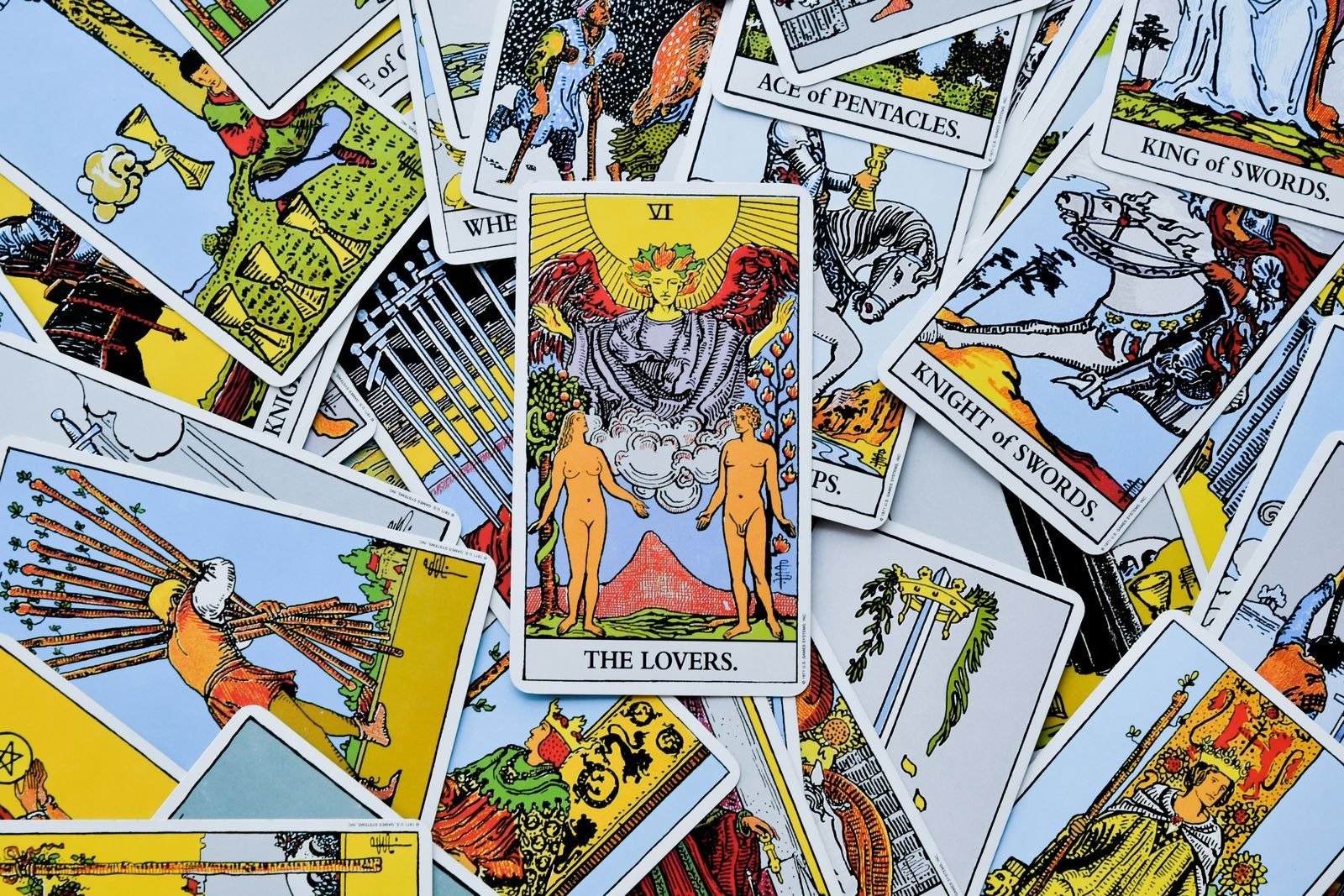
Tarot comes wrapped in rules that have nothing to do with the cards. Most of them started as shop folklore, Victorian occultism, or someone’s personal habit that hardened into law. Here are seven of the most persistent myths, and what actually holds up.
Myth 1: You must never buy your own deck
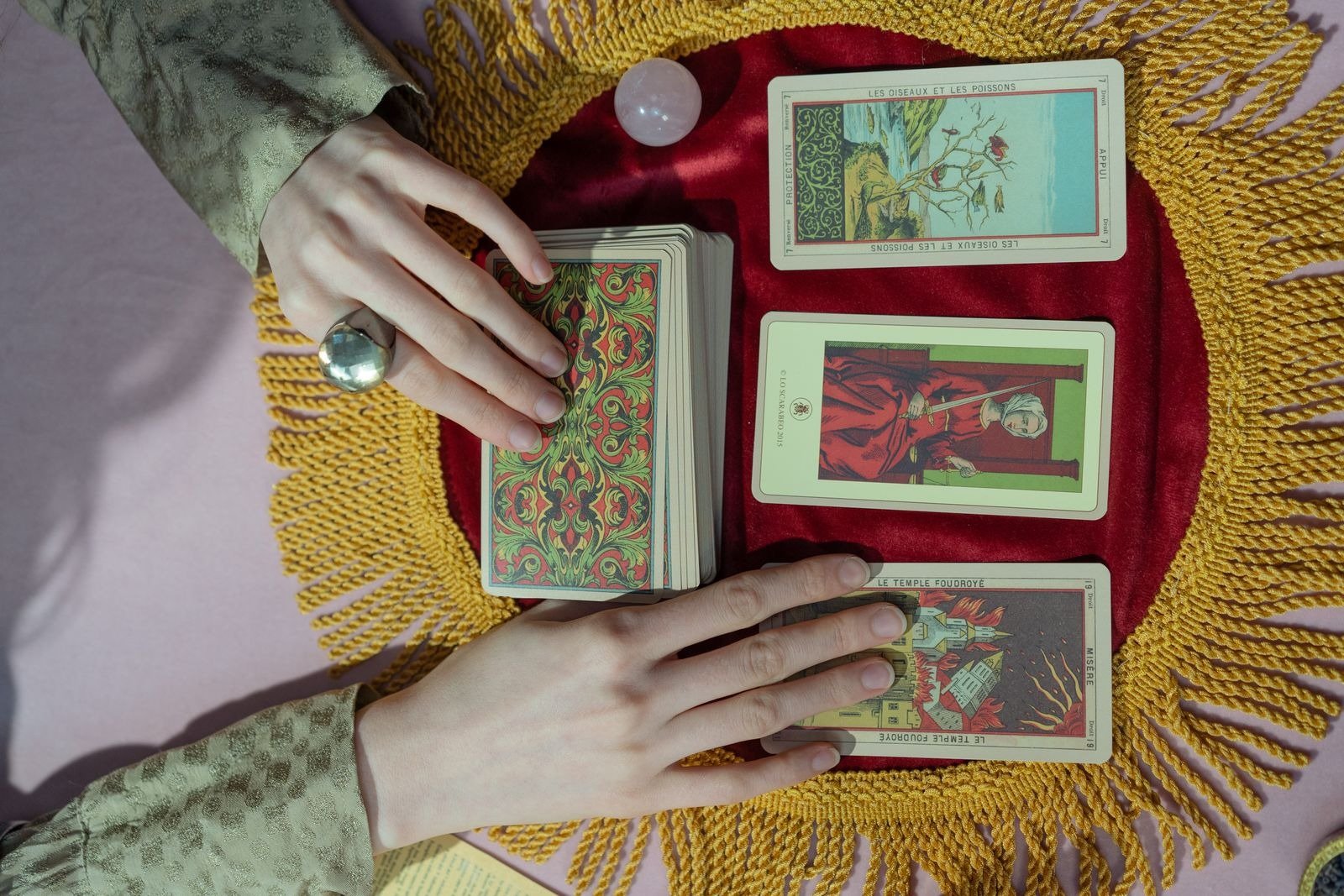
The old rule says your first deck must be a gift or it will not work. Nobody knows where this started, but the most likely explanation is practical: in the days when tarot decks were hard to find, a reader gifting a deck to a student was how beginners got one. A deck you choose yourself, whose imagery you actually connect with, will serve you far better than a gifted deck whose art leaves you cold. If you are still shopping, our guide to how to choose your first tarot deck covers what to look for.
Myth 2: You need to be psychic
Tarot rewards pattern recognition, reflection, and honesty with yourself. Those are learnable skills, not supernatural gifts. The readers who get the most from the cards are usually the ones who ask precise questions and study the imagery carefully, not the ones who claim a special channel. If you can read a short story and notice what a character wants, you have the equipment.
Myth 3: The Death card means someone will die
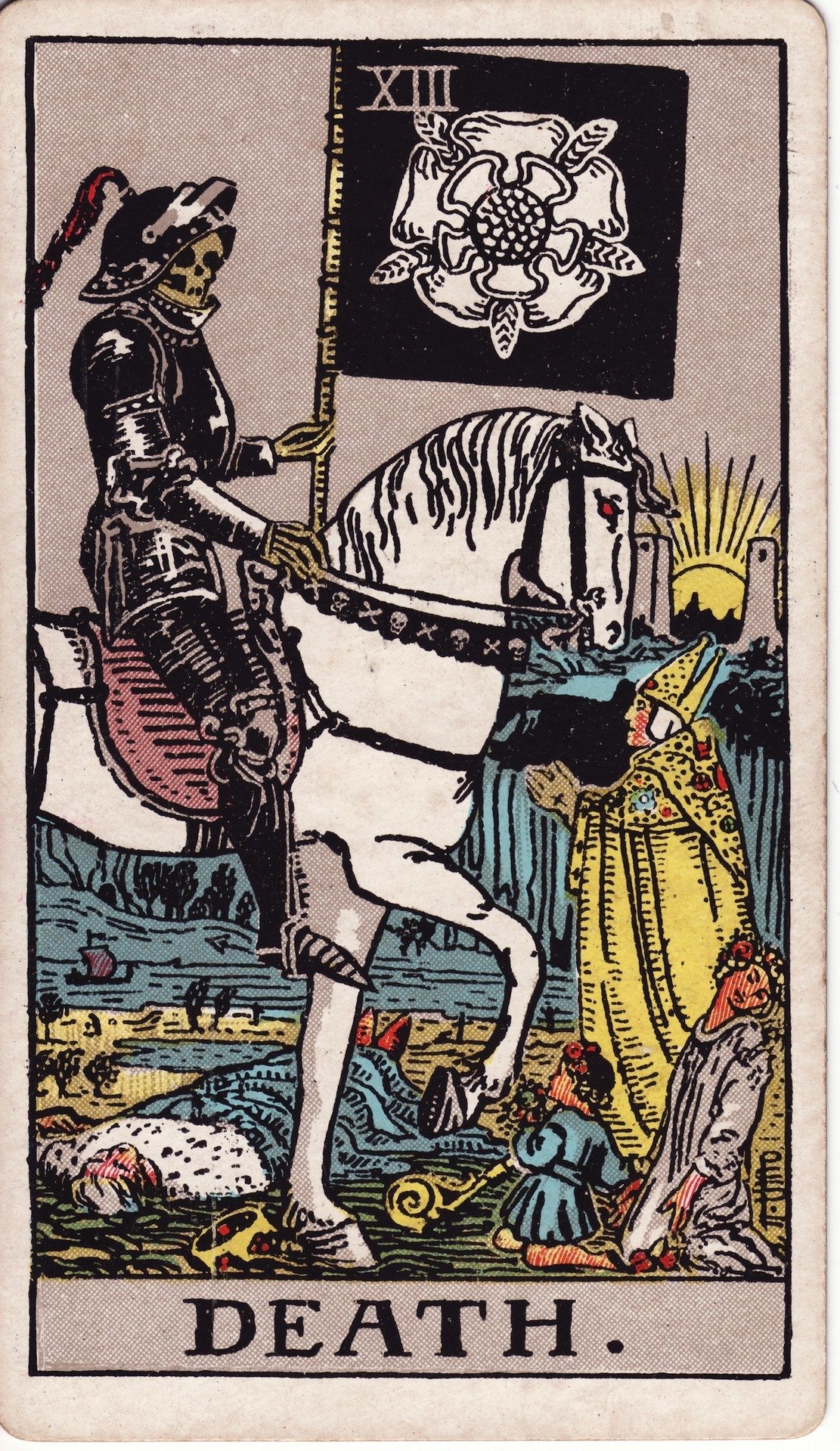
In hundreds of years of tarot practice, the Death card has always meant endings and transitions: the close of a chapter, a phase of life finishing, something being released. Predicting literal death from a card draw is not a standard reading practice in any tradition, and any reader who does so is either fearmongering or grandstanding. Cards like the Tower and the Ten of Swords get the same unfair treatment. They describe disruption and difficult endings, not literal catastrophe.
Myth 4: You must memorize all 78 meanings first
This is the myth that stops the most beginners. No working reader consults a memorized list of 78 fixed definitions mid-reading. Readers know the suits, the numbers, and the major-arcana story, then read the specific cards in front of them against the specific question asked. Our guide to reading tarot without memorizing 78 definitions shows the framework in full. You can start reading competently long before you know every card cold.
Myth 5: Tarot shows a fixed future
Cards describe the shape of a situation: its pressures, its open doors, its likely direction if nothing changes. They do not hand down a sealed fate. Any reading that presents your future as locked in is misusing the tool. The useful readings are the ones that change what you do next, which only works if the future is still open.
Myth 6: You cannot read for yourself
You absolutely can. Self-reading is how most readers learned. The real issue is not that self-reading is impossible, it is that self-reading on an emotionally loaded question tends to confirm what you already want to hear. The fix is technique, not abstinence: journal the reading, phrase the question carefully, and come back to it a week later when the charge has cooled.
Myth 7: You need elaborate rituals to keep the deck working
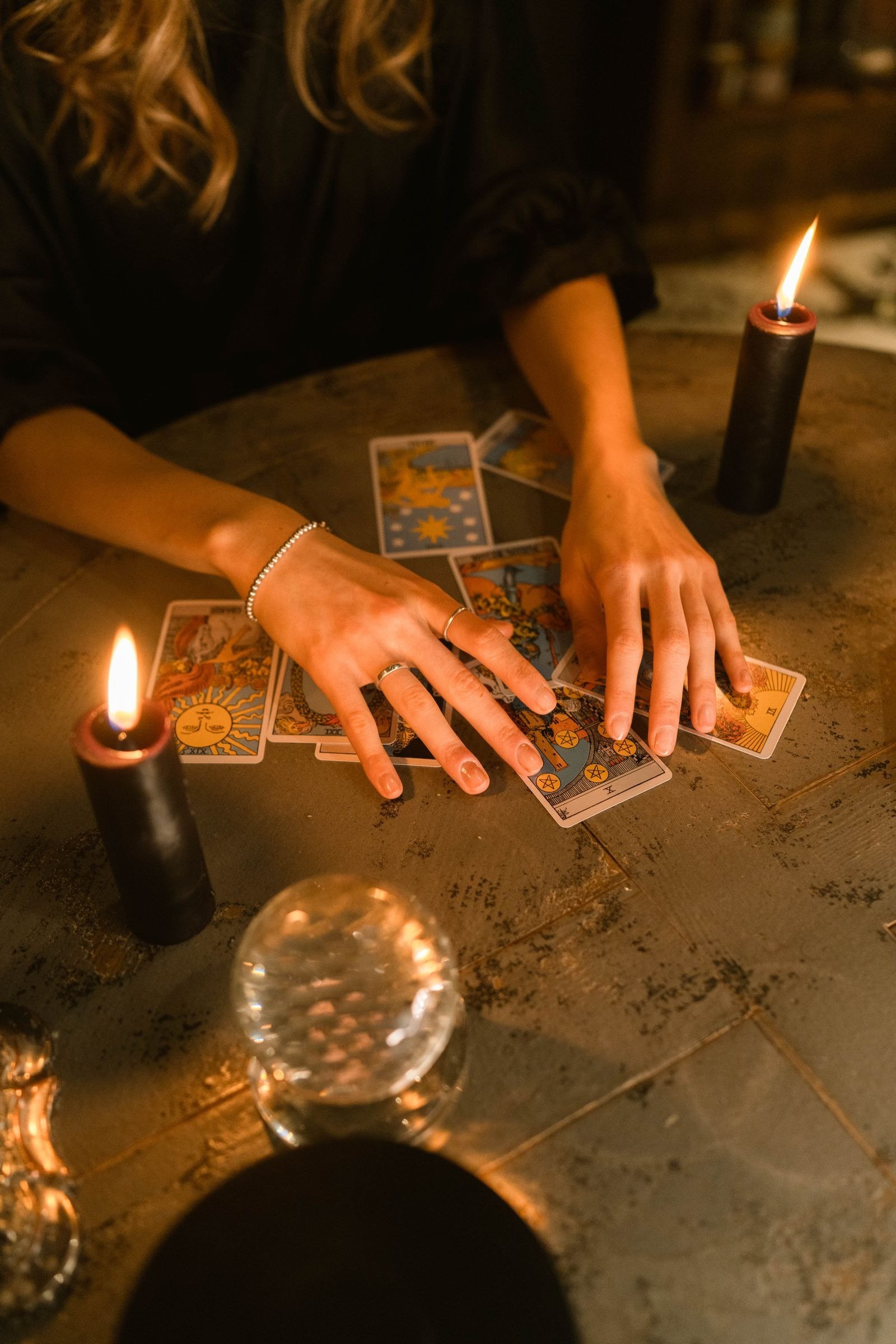
Silk wraps, moonlight cleansings, and knocking three times on the deck are personal habits, not requirements. The deck works because you read with it regularly and attentively. If a ritual helps you shift into a focused state of mind, keep it. If someone tells you your readings are invalid without one, that is a claim about their habits, not your cards.
The thread running through all seven is the same: tarot works through attention and honest interpretation. Anything that adds to those two things is worth keeping. Anything that adds fear, gatekeeping, or shopping is worth retiring.