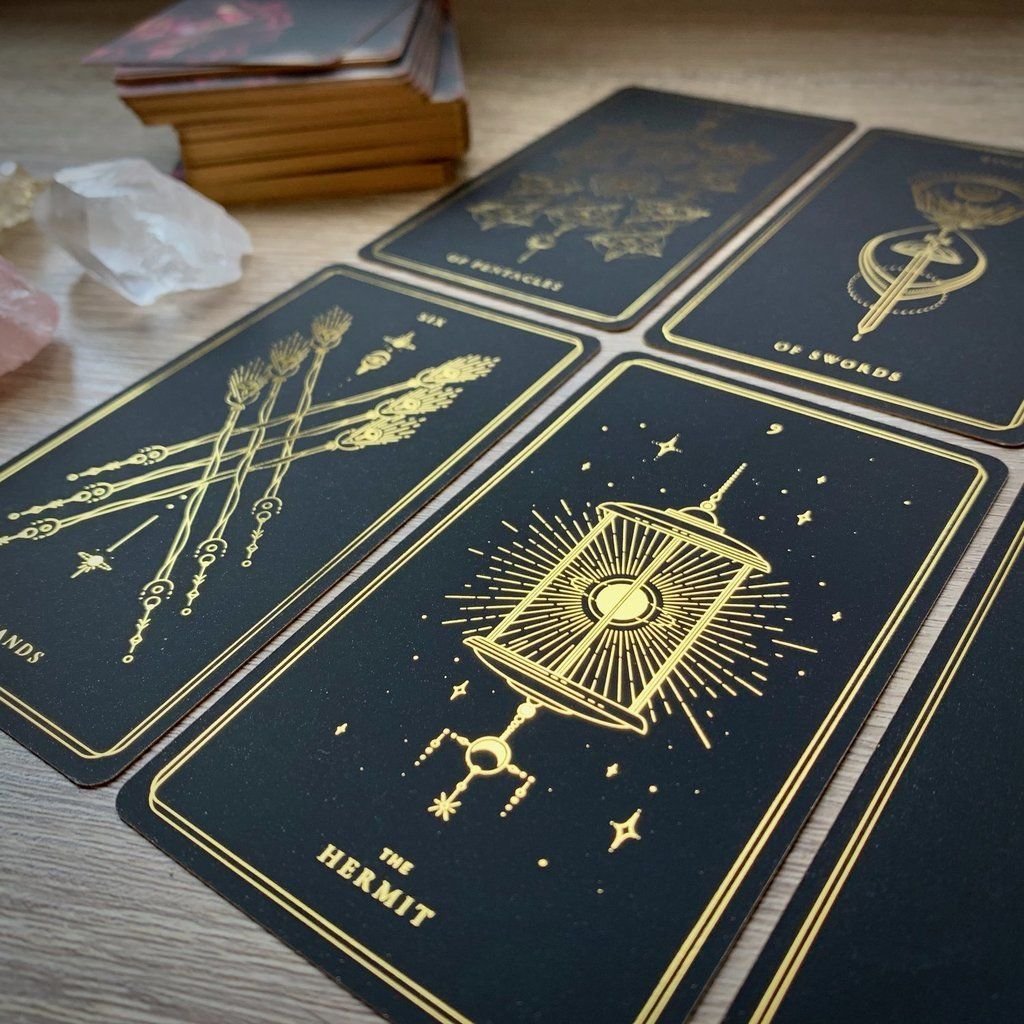
The Golden Thread Tarot deck looks like nothing else on the shelf: black cards, gold lines, no scenery. Artist Tina Gong’s minimalist design strips each card down to its geometry, and the app built around it follows the same instinct. You get digital readings, guided readings with a physical deck of your choice, a full database of card meanings, a tarot journal, lessons in foundational tarot philosophy, and a Your Mirror feature that analyzes your saved readings for patterns.
People come to Golden Thread for the quiet. A busy illustrated deck hands you a scene to interpret; a minimalist deck hands you space. That changes how you read: with fewer visual cues, you lean more on the card’s core meaning and on your own response to it. Some readers find that freeing. Others find large spreads harder, since ten minimal cards give the eye less to work with than ten illustrated ones. Small spreads, one to three cards, are where this style shines.
Staying inside the Labyrinthos family
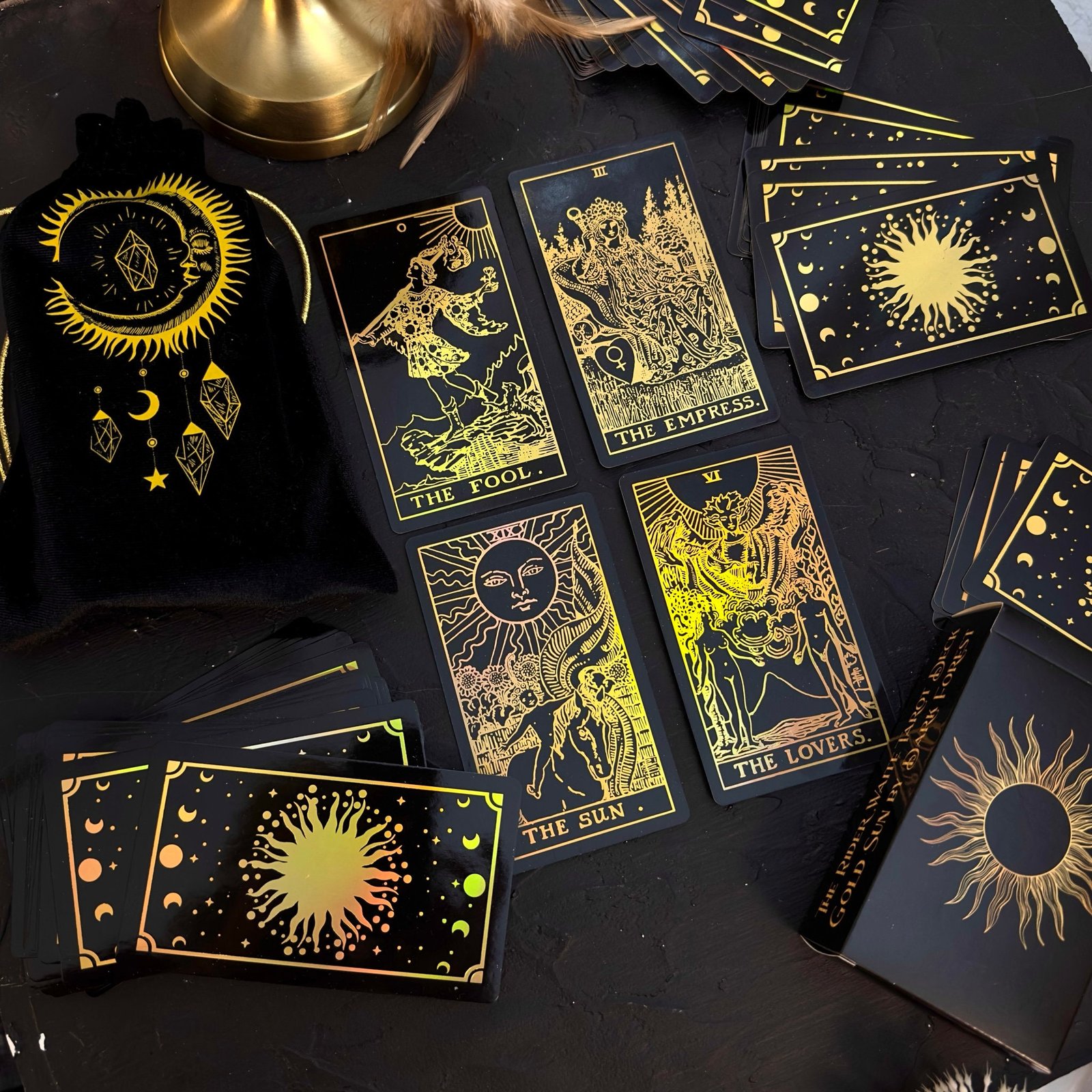
The simplest alternative is already on your phone if you use the Labyrinthos app. Golden Thread is one deck among several in that app, and switching decks changes the art without changing the machinery: the same quizzes, the same 50-plus spreads, the same journal, the same Your Mirror stats. If you like how the app teaches and only want different artwork for different moods, you do not need a new app at all. There is also a physical Golden Thread deck, 78 cards in matte black with gold foil, and the app can guide readings you lay out with those physical cards.
Linestrider Tarot: minimalism with a softer hand
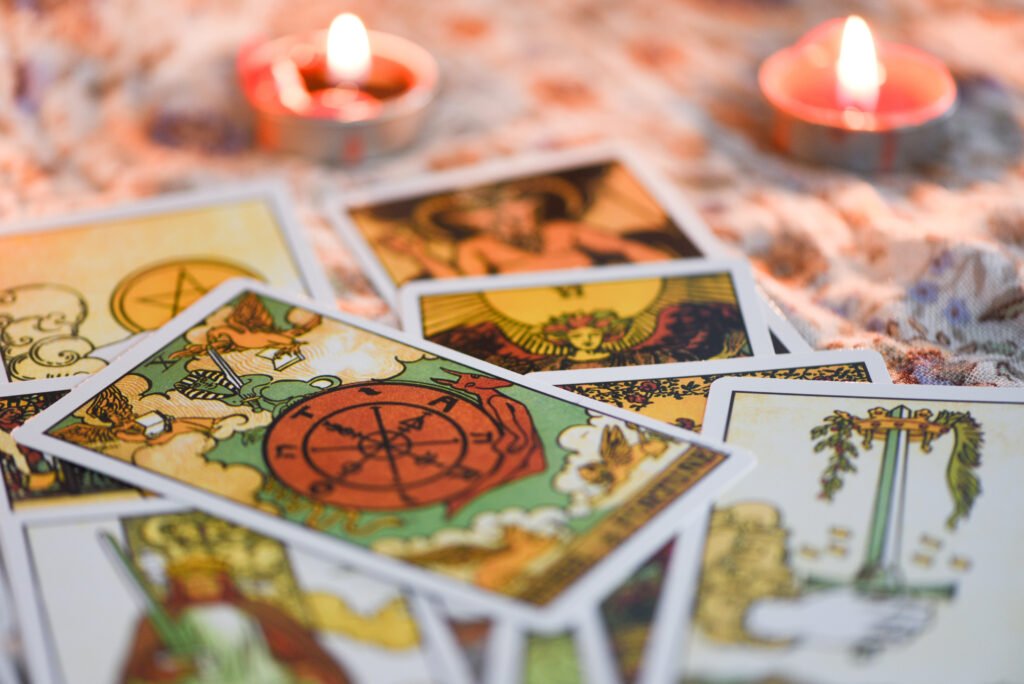
Siolo Thompson’s Linestrider deck is minimalist in a different register. Where Golden Thread is geometry and gold, Linestrider is a few loose lines in soft color, with animals and humans sharing the archetypes. The app gives you 20 built-in spreads, a free-form mode for designing your own layouts, a detailed journal, and the option to write your own card meanings. It suits readers who want a quiet deck but find pure black-and-gold too stark.
Tarot!: the no-frills workbench
Tarot! is the plainest app on this list, and that is its appeal. One-card, three-card, zodiac, and Celtic Cross readings, custom layouts with your own position meanings, clarifying cards on any spread, and an automatic journal that saves every draw. Reviewers praise it for staying out of the way: no lessons, no avatars, no feed. You pay once and the app is yours. It is a good fit if Golden Thread taught you the meanings and you now want a clean table to practice on.
The Good Tarot: modern and spare
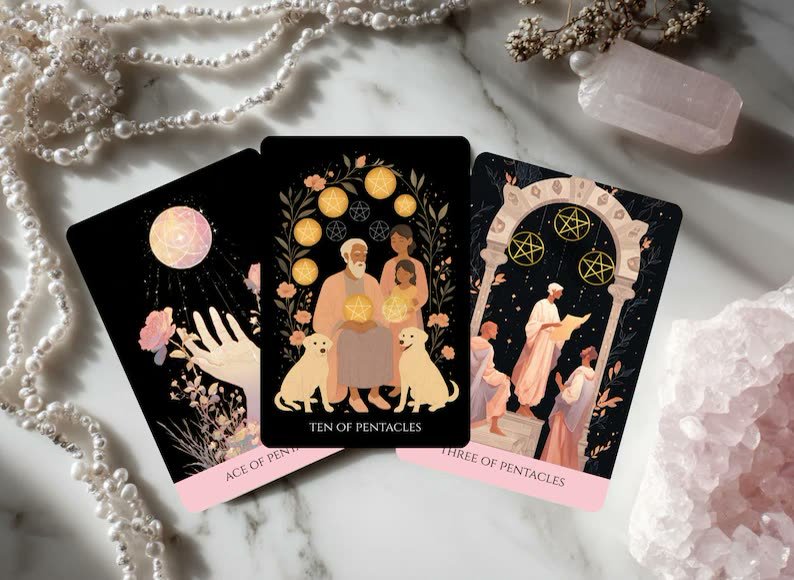
Colette Baron-Reid’s The Good Tarot rebuilds the deck for readers who want modern language. The suits become the four elements, air for swords, water for cups, earth for pentacles, fire for wands, and each card is written as a present-tense statement rather than a prediction. The app includes several reading types, saved readings, a full-deck browser, a guidebook, and a daily reminder for a one-card pull. The aesthetic is clean and contemporary without going fully abstract.
Tarot Journal: the minimalist’s notebook
If what you actually loved about Golden Thread was the reading log and the pattern tracking, Tarot Journal gives you that as a standalone app. The layout is clean, you can record readings in detail, search and summarize your history, and switch between several decks. Its standout trick is scanning your physical cards to build a personal digital deck. It is free with no ads, supported by optional donations.
When minimal stops helping
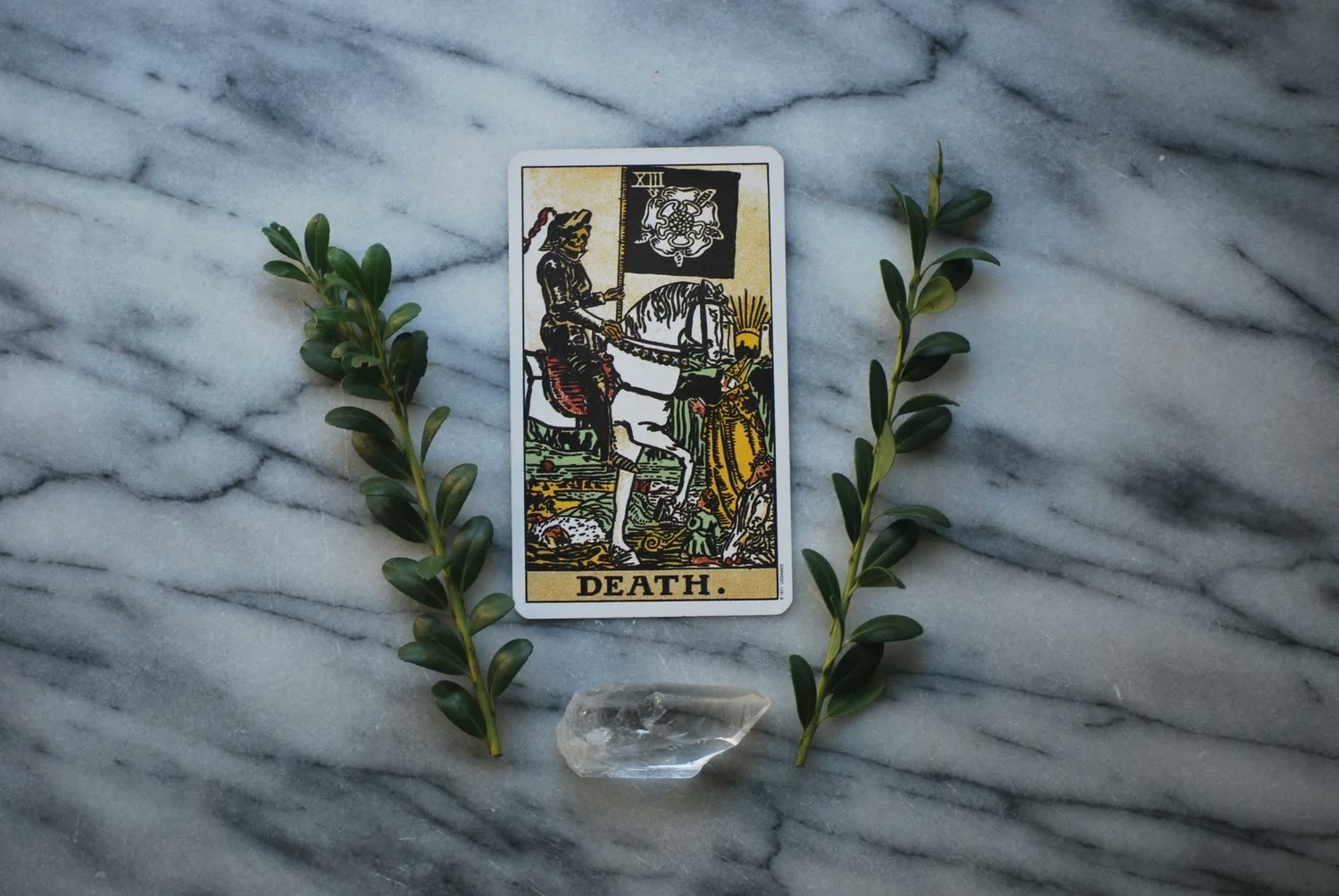
A stripped-down deck asks more of the reader, and that is worth saying plainly. Beginners sometimes learn faster with a fully illustrated deck, where the pictures themselves teach the symbolism. Our guide on how to choose your first tarot deck walks through that tradeoff. And if you pair your tarot practice with astrology, our Co-Star alternatives guide compares the apps that do the daily-check routine well.
Start from what you miss. If you miss the lessons, stay with Labyrinthos and switch decks. If you miss the quiet, try Linestrider. If you miss nothing and just want a clean table, Tarot! or Tarot Journal will do. The deck is a tool; the reading is yours.