

When two people spend enough time together, something new forms between them: shared routines, inside jokes, a rhythm of conflict and repair that belongs to neither person alone. A composite chart is an attempt to draw that third thing on paper. Where a birth chart describes one person and synastry compares two charts side by side, the composite chart is a single chart cast for the relationship itself.

Synastry and composite answer different questions
Synastry is the practice of laying two birth charts over each other and reading the aspects between them. Your Venus square their Saturn, their Moon trine your Sun, your Mars opposite their Mars: each of these describes friction or flow between two individuals. If you want to know why you and a partner argue about money in one way and align on travel in another, synastry gives you the vocabulary. Our synastry beginner guide covers where to start.
The composite chart drops the question of who is doing what to whom. It takes the midpoints between the two charts’ placements and builds one new chart, then reads it like any natal chart: the composite Sun is the couple’s sense of purpose, the composite Moon is their shared emotional climate, the composite seventh house shows how the partnership presents itself to the world. It is not “your chart plus their chart.” It is a chart of the relationship as its own living thing.
A useful analogy: synastry tells you how two musicians play together, each with their own style and habits. The composite tells you what the band sounds like.
How a composite chart is calculated
The standard method is the midpoint composite. For every planet, point, and house cusp in person A’s chart, you find the corresponding placement in person B’s chart, then take the midpoint between them. If your Sun is at 10 degrees Aries and your partner’s Sun is at 20 degrees Aries, the composite Sun lands at 15 degrees Aries.
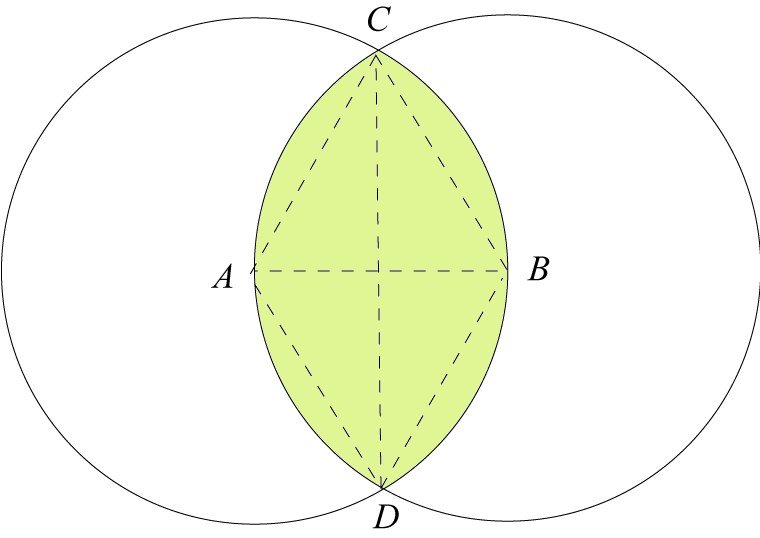
For placements far apart, the midpoint is taken along the shorter arc of the zodiac, so the result always sits somewhere between the two points rather than on the opposite side of the wheel. Most chart software and free online calculators offer a composite option alongside synastry; if you are comparing charts by hand, this walkthrough of comparing two birth charts will ground you in the basics first.
There is a second method called the Davison chart, which builds the composite from the midpoint of the two birth times and places instead of the midpoint of the two charts. The two methods usually produce similar charts but can differ in house placement. Most relationship astrologers use the midpoint composite, and that is the method described here.
Reading the composite like a natal chart
Once cast, the composite reads like any chart. The Sun sign and house describe the core identity of the bond: a composite Sun in the tenth house suggests a relationship with a public face, while one in the twelfth leans private, even hidden. The Moon describes the emotional weather of the partnership. Venus and Mars describe how affection and desire operate inside the relationship rather than in either person.

Aspects in the composite matter the same way they do natally. A tight Sun-Saturn square in the composite does not mean one partner restricts the other; it means the relationship itself carries a weight, a sense of duty or slowness that both people feel. A Moon-Jupiter trine means warmth comes easily to the pair as a unit. Saturn in the composite is often read as the bond’s staying power: easy composites can drift apart precisely because nothing holds them together when the fun fades.
The composite Ascendant and its ruler describe how the relationship presents to the world. Some couples read as playful to outsiders while feeling serious inside; the composite rising sign often captures that outward impression. As always, house meanings give the placements their context, so a quick review of the twelve houses helps if you are new.
The honest limits of the composite
The composite has real limits, and they are worth stating plainly. First, it describes a relationship that already exists. Casting a composite for two people who have barely met produces a chart of a possibility, not a fact, and reading it as destiny is a misuse.

Second, the composite cannot override the two natal charts. If both individuals have charts that struggle with commitment, a lovely composite will not save the relationship. The individual charts are the foundation; synastry is the interaction; the composite is the atmosphere that results. Skipping straight to the composite is like judging a house by its smell and ignoring the frame.
Third, midpoints involve choices. With widely separated placements, the shorter-arc midpoint is convention, but it is still a convention, and house cusps in composite charts can shift with the method used. Treat house-level detail in a composite as suggestive rather than exact, and take transits to the composite as one layer of timing information among several. Our piece on relationship transits explains how timing layers stack.
Used with those limits in mind, the composite is a genuinely useful tool. Synastry explains the push and pull between two people. The composite explains what the two of them, together, are becoming.
Featured image: photo by Christopher Michel (CC BY 2.0), via Wikimedia Commons.
7 thoughts on “Composite Charts: The Relationship Itself, Charted”