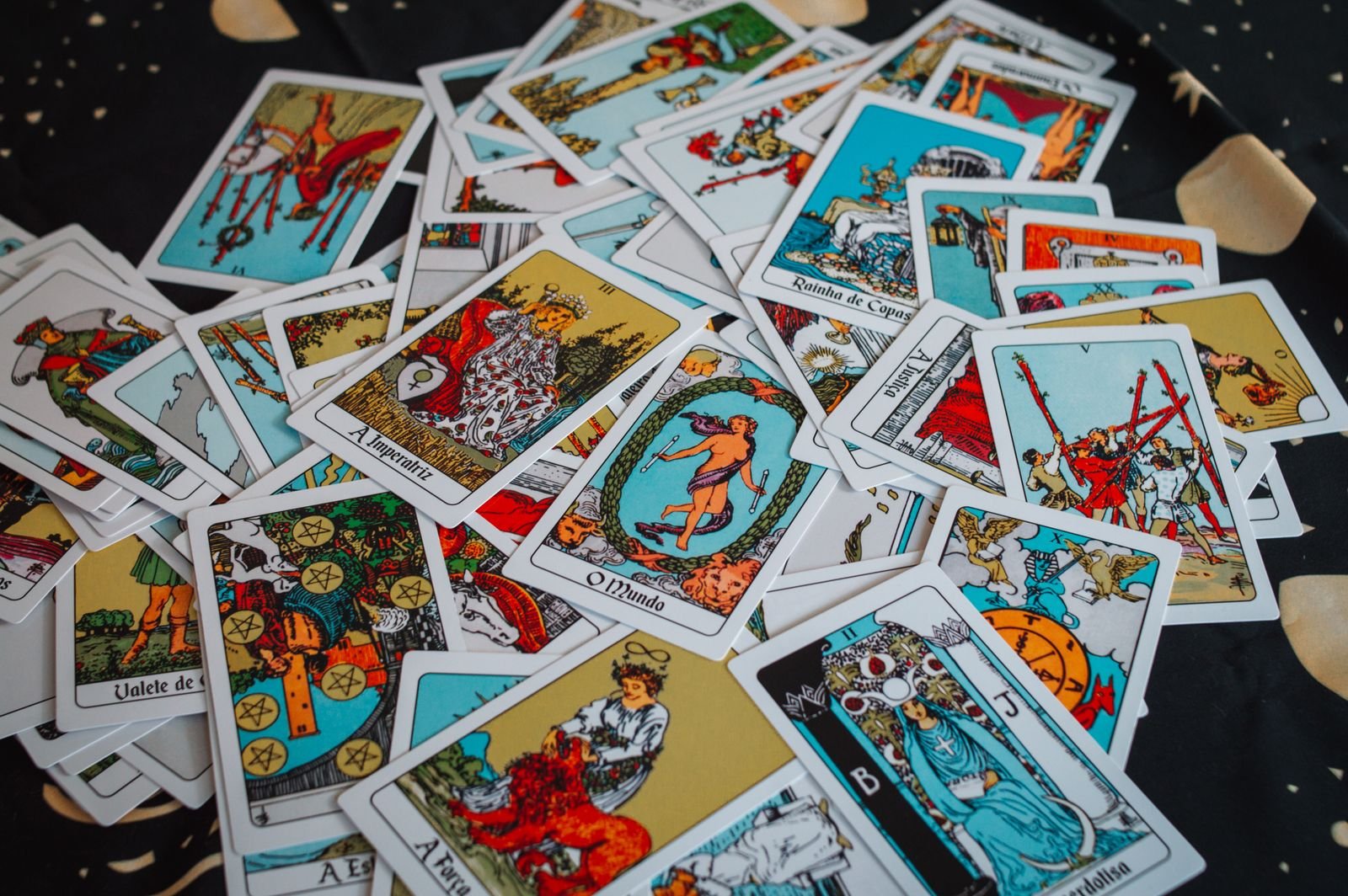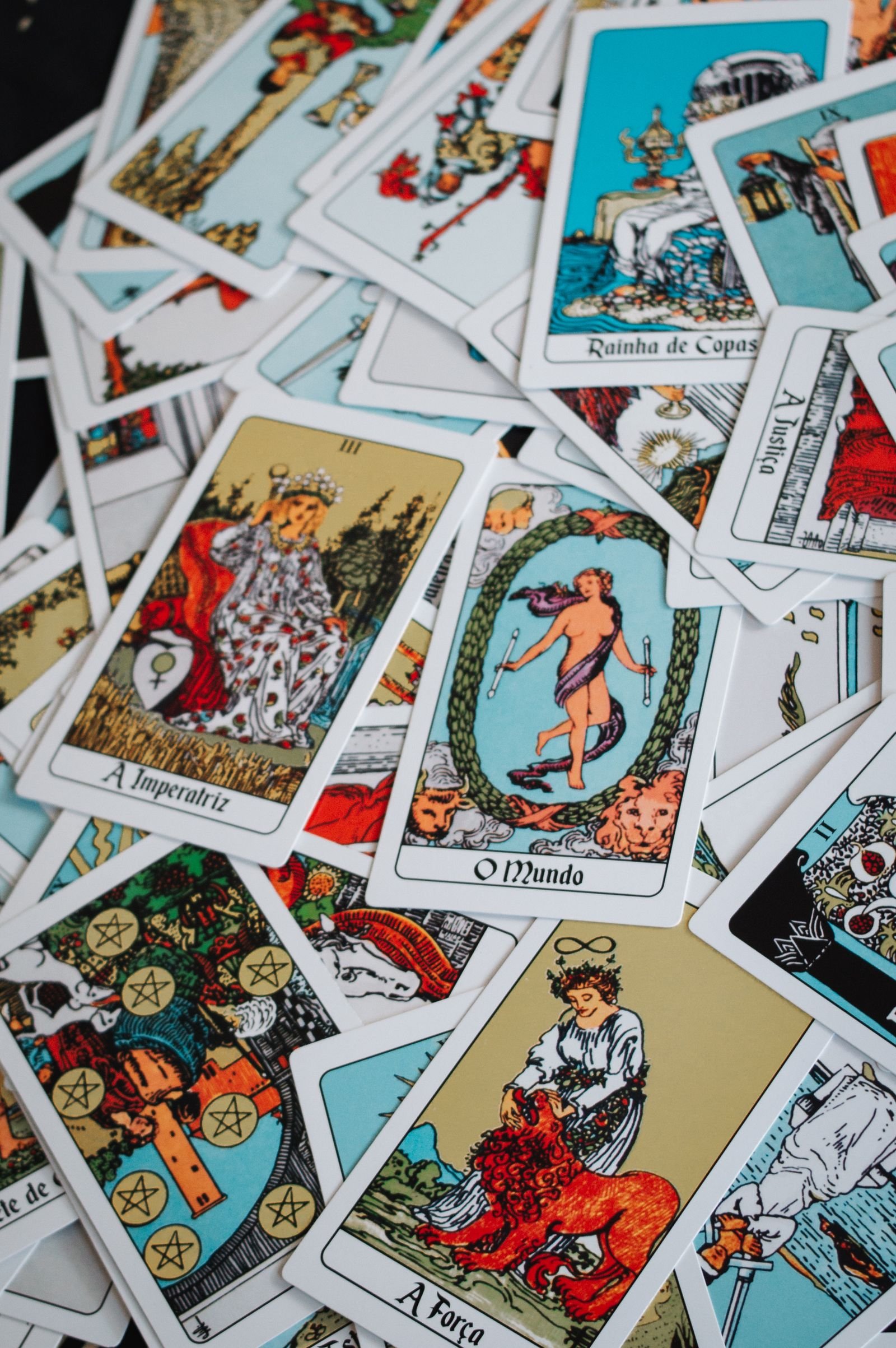
Biddy Tarot, founded by Brigit Esselmont, is the reference standard for learning card meanings online: free upright and reversed interpretations for all 78 cards, guided readings, books, and structured courses from beginner to certification level. Millions of readers learned the cards there first. But Biddy’s way of teaching (written definitions organized by card) is one approach among several. If it is not clicking for you, these resources teach the same 78 cards differently, and some of them may suit your brain better.
Labyrinthos: learn through imagery and quizzes
Labyrinthos teaches card meanings the way flashcards teach vocabulary: its app shows you cards, quizzes you on them, and builds up from recognition to interpretation. The meanings are tied to the deck’s own artwork rather than keyword lists, so visual learners often find the cards stick faster here than from reading definitions. The app also does full digital readings, so study and practice live in one place. See our Labyrinthos alternatives guide for more apps in this style.
Golden Thread Tarot: meanings from a minimalist deck
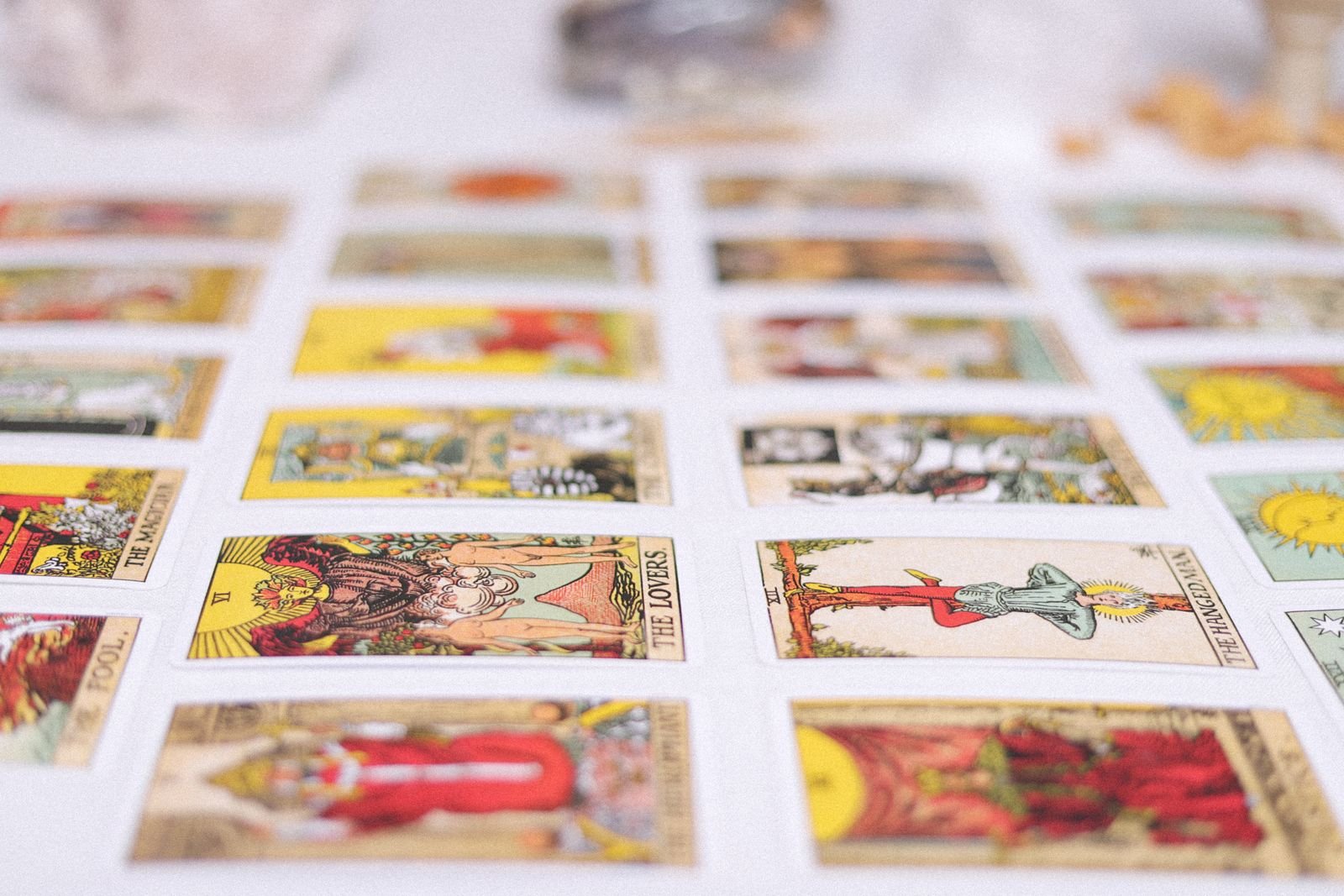
The Golden Thread Tarot app pairs card meanings with its own spare, geometric deck art and a study mode that walks through the deck card by card. Stripping the traditional Rider-Waite symbolism down to clean shapes forces you to learn structure: suits, numbers, elements, instead of memorizing scenes. Readers who feel overwhelmed by busy card art often find this approach clarifying. Our Golden Thread Tarot alternatives roundup covers similar minimal-learning apps.
LearnTarot.com: the free classic course
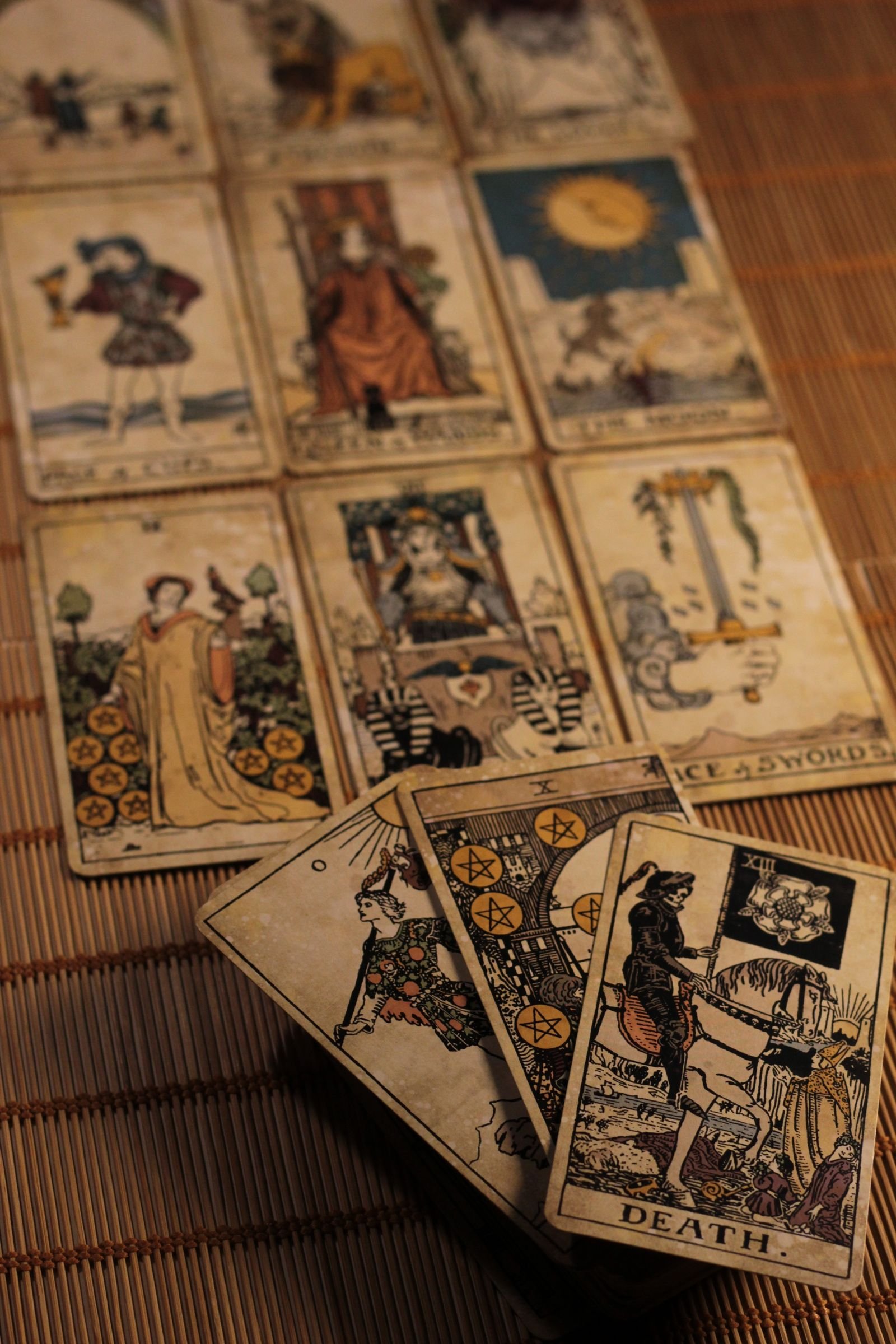
Joan Bunning’s LearnTarot.com has offered a complete free tarot course for years: nineteen lessons covering every card, keywords, and reading basics, all in plain text. There is no app and no interactivity, only well-organized lessons you can work through at your own pace. It is the closest thing to a textbook among free online resources, and it pairs well with any meanings reference. Study the lesson here, look the card up elsewhere when you need a second angle.
The Tarot Guide: keyword-style meanings
The Tarot Guide (thetarotguide.com) presents card meanings in a compact, keyword-driven format with upright and reversed entries for the full deck. Where Biddy gives you paragraphs, the Guide gives you scannable summaries, useful when you are mid-reading and need a quick check rather than a study session. It also covers reversed meanings for every card, which not all free references do. Many readers keep both bookmarked and reach for whichever format fits the moment.
Books: depth no site matches
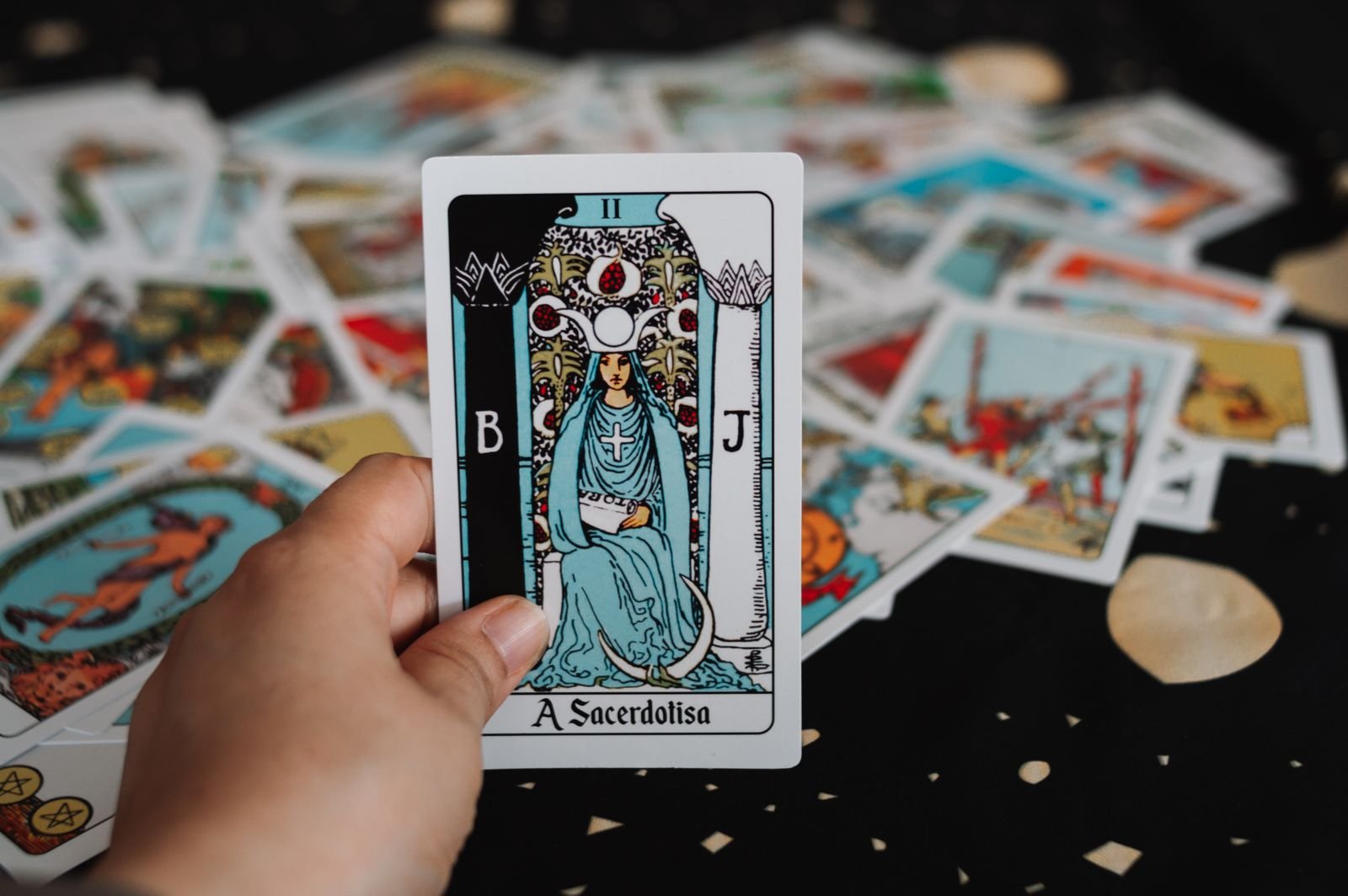
Two books belong on any serious meanings shelf. 78 Degrees of Wisdom by Rachel Pollack is the modern classic: card-by-card interpretation grounded in symbolism, mythology and psychology, widely assigned in tarot courses. Tarot for Your Self by Mary K. Greer takes the workbook route, with exercises that build your personal relationship with each card instead of handing you definitions. Between them they cover the two poles of learning meanings: understanding the card, and understanding what the card means to you.

How to use more than one resource
The practical move is to pick one primary teacher and one backup. Use Labyrinthos or the Golden Thread app for daily drilling, Biddy or the Tarot Guide for reference, LearnTarot.com or a book for structured study. Cross-checking two sources on the same card is where real understanding forms. Give the pairing a full month before you judge it; steady comparison beats hopping between teachers. The overlap tells you the core meaning, and the differences show you the range. For the full reference in one place, our practical guide to all 78 card meanings covers the whole deck, and our beginner’s step-by-step reading guide shows how to turn meanings into actual readings.