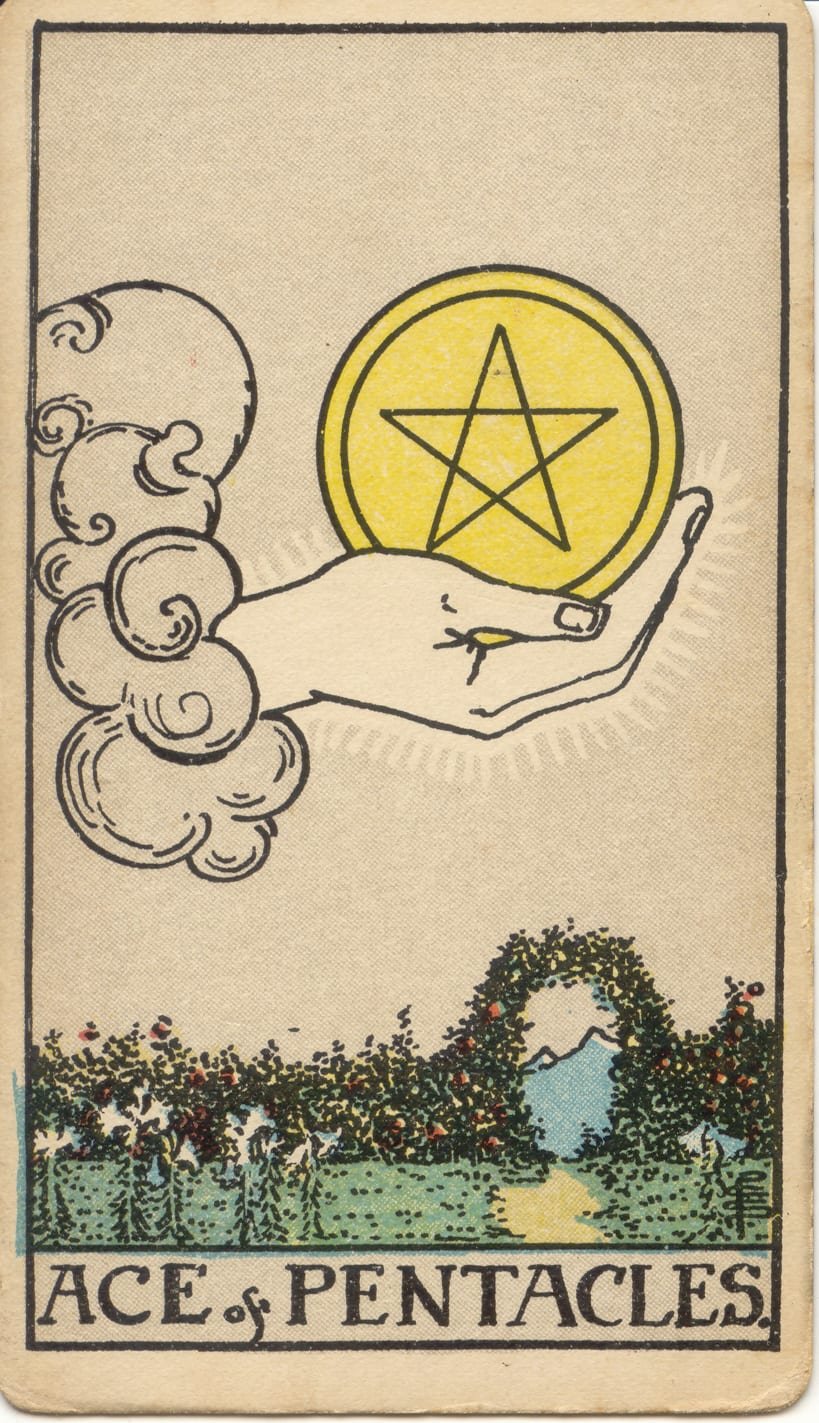
Aces look simple. One symbol, one suit, a hand holding it out of a cloud. But when an ace lands in a reading, people freeze, because a beginning is the one thing tarot readers are always being asked to name: a new relationship, a new job, a new idea, a new phase of health. The good news is that all four aces share one logic. Once you know it, you can read any ace without memorizing four separate definitions.
What all aces share
An ace is the raw potential of its suit, before anything has gone right or wrong. No people, no events, no complications yet: the suit at full strength and zero mileage. In the language of tarot numerology, one means the seed of the thing. So every ace is an offer, a spark, or a door. The suit tells you what kind of beginning it is, and the rest of the spread tells you whether anyone walks through the door.
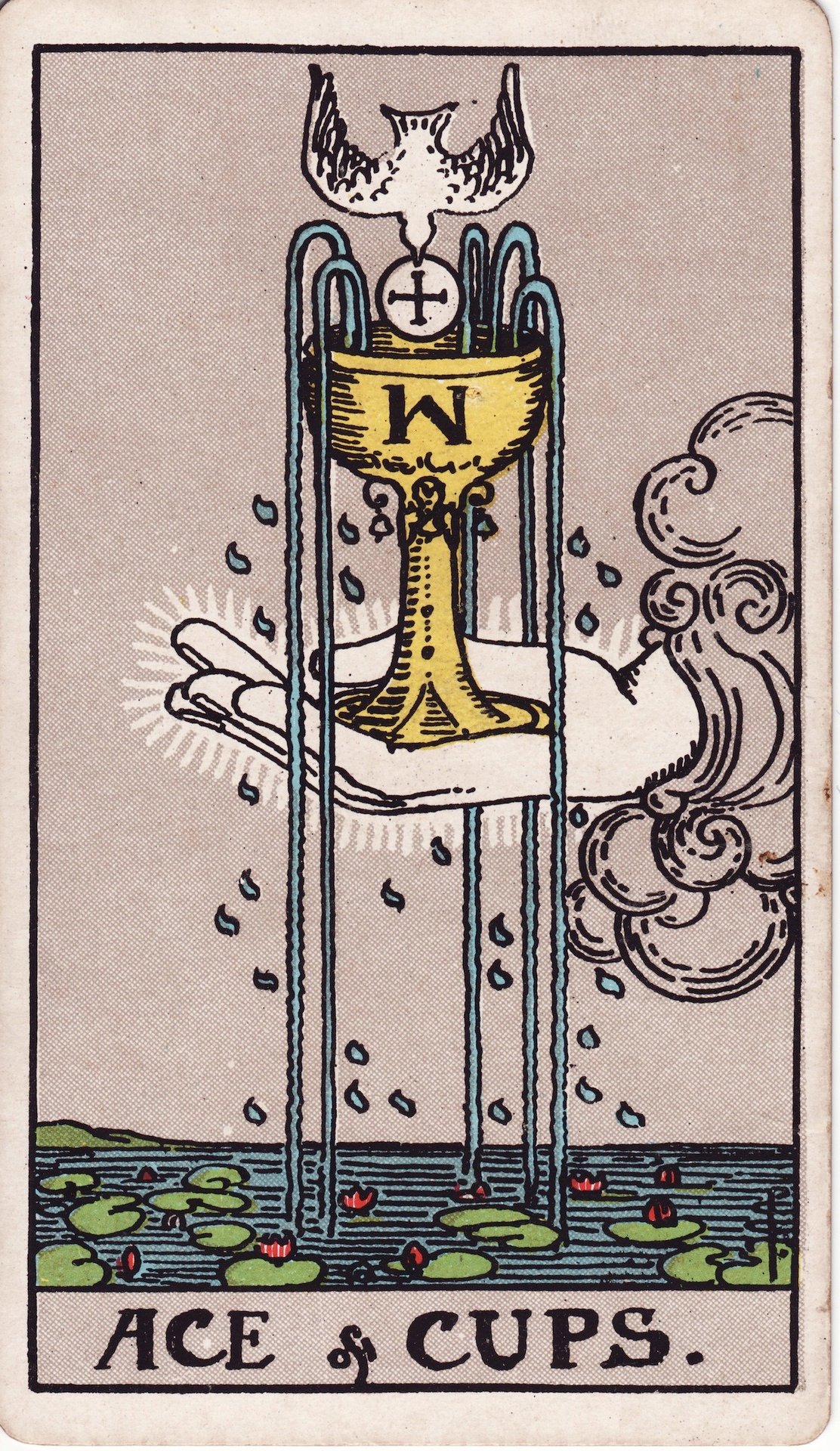
One honest limit: an ace shows the opening, not the outcome. The Ace of Cups does not promise the relationship lasts. It promises the connection is real at the start. Readers get into trouble when they turn a beginning into a guarantee.
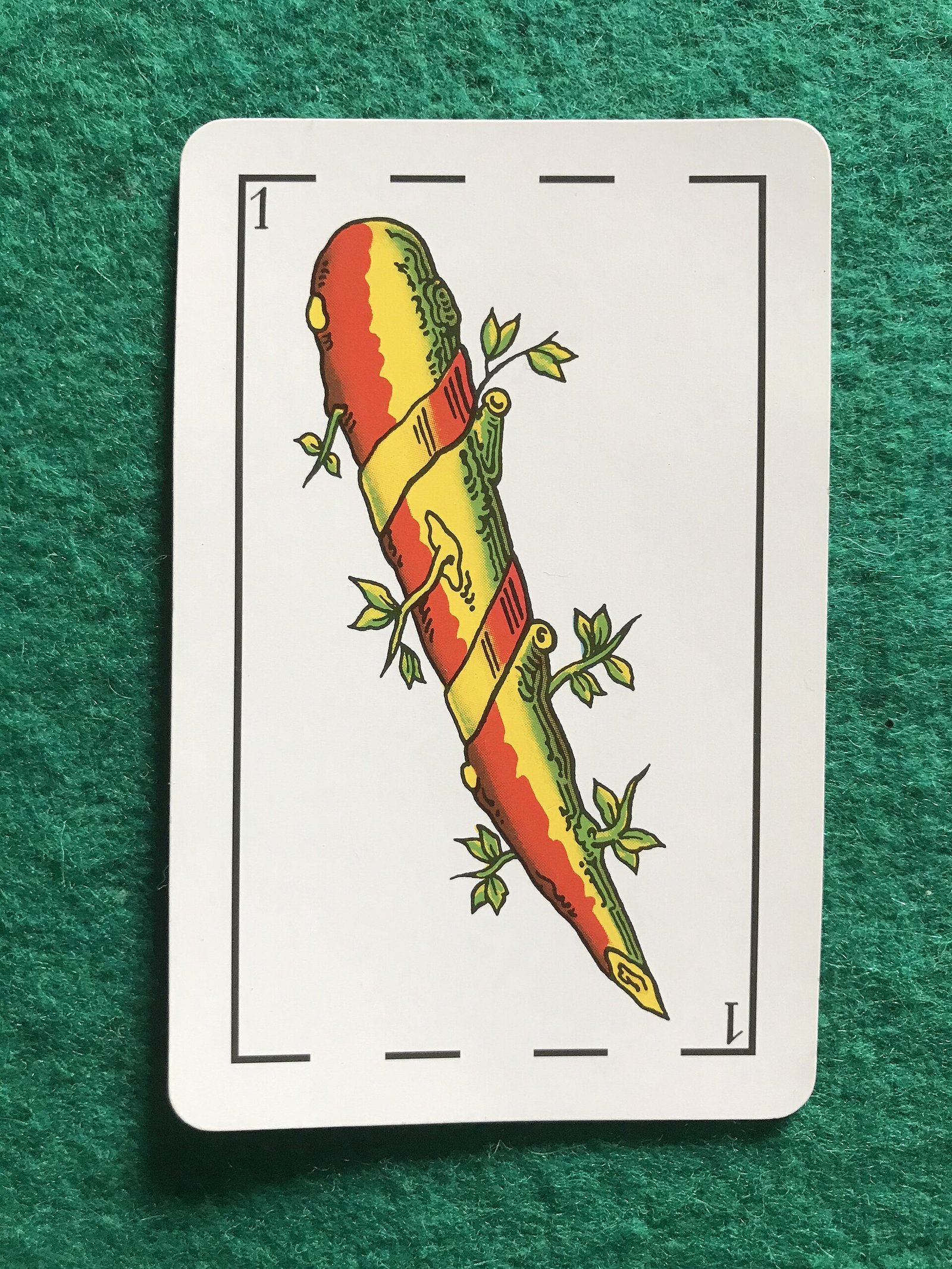
Ace of wands: a spark of drive
Wands are fire, and the Ace of Wands is inspiration arriving as a physical feeling: energy, desire, the itch to start something. It shows up for creative projects, bold plans, and moments of personal courage. The question it answers is rarely “should I” and more often “when do I start.” The answer is usually soon, while the spark is warm.
Ace of cups: an emotional opening
Cups are water, and the Ace of Cups is the heart opening: new love, a deepening friendship, a reconciliation, or simply permission to feel what you feel. In readings about people, it marks the moment a connection becomes real. In readings about yourself, it can mean self-compassion arriving after a long stretch without it. Where the Ace of Wands pushes you outward, the Ace of Cups lets something in.

Ace of swords: a clear truth
Swords are air, and the Ace of Swords is a mental beginning: clarity, a hard truth spoken, a decision made. It shows up when fog lifts, when someone says the thing everyone was avoiding, or when you finally think straight about a problem. It can also be a contract, a diagnosis, or a verdict. The suit cuts both ways, so this ace can announce a truth that stings. A beginning of honesty is still a beginning.
Ace of pentacles: a real opportunity
Pentacles are earth, and the Ace of Pentacles is the most concrete of the four: a job offer, a business idea with actual backing, money arriving, a health plan you can stick to. It differs from the other aces because it arrives with something you can touch. When this card appears, the advice is practical: check the details, count the cost, and take the solid offer seriously.
Reading an ace in practice
When an ace appears, ask two questions. First, which suit, and therefore which part of life is starting: drive, feeling, thought, or material fact. Our guide to what the four suits represent lays out the domains each suit covers. Second, what do the surrounding cards do with the opening: feed it, block it, or ignore it. An Ace of Pentacles next to cards of delay means the offer is real but the timing is not. An Ace of Cups next to cards of fear means the opening exists and the fear does too.
Aces reward plain language. “A new project with real energy behind it” beats a speech about the seed of fire. Say what is starting, in which part of life, and what the reader can do with it this week. That is all an ace is asking you to name.