

Past, present, future is the spread everyone learns first, and there is nothing wrong with it. But three cards can do more than tell time. The five layouts below use the same three slots to answer different kinds of questions, and each one earns its place.
Why three works so well: three cards are enough to show a relationship between ideas and few enough to hold in your head at once. If you are unsure how many cards a question needs, how many tarot cards per question walks through the trade-offs. For most everyday questions, three is the sweet spot.
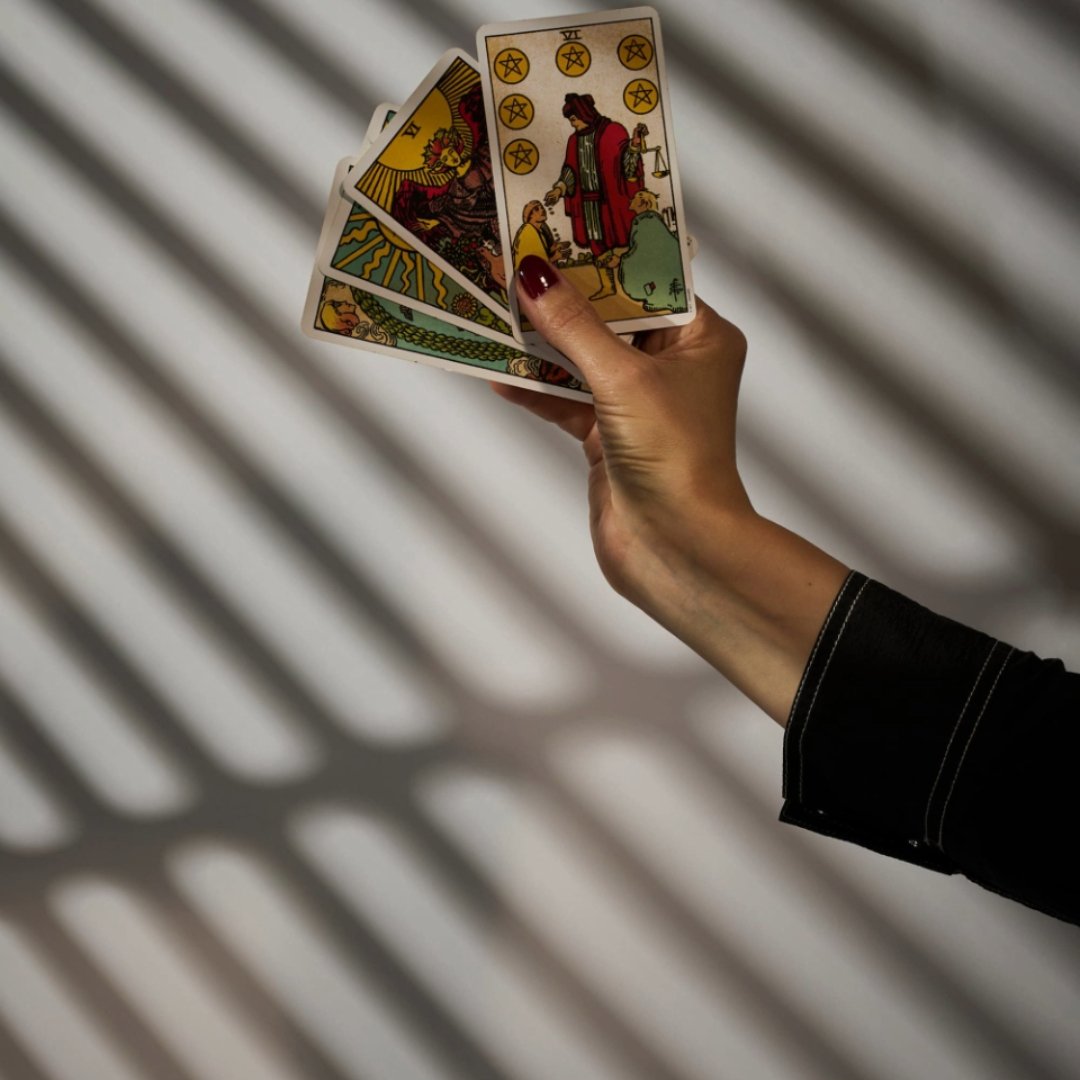
The five spreads
1. Situation, action, outcome
Card 1: the situation as it stands. Card 2: the action to take. Card 3: the likely outcome if you take it. Use this for practical questions with a decision inside them: a stalled project, a difficult conversation, a move you are considering. Sample read: the Eight of Pentacles as situation (steady work in progress), the Two of Wands as action (make the plan and commit), the Six of Wands as outcome (recognition follows). The middle card is the point of the spread. If it is vague, the reading is vague.
2. Mind, body, spirit
Card 1: your mind, what is occupying your thoughts. Card 2: your body, what your physical self needs. Card 3: your spirit, what would nourish you. Use this as a weekly check-in rather than a question spread. It works best when you are running on empty and cannot name why. Sample read: the Nine of Swords in mind (worry on loop), the Four of Swords in body (rest, properly), the Star in spirit (something to look forward to). Read it as a care plan, not a diagnosis.

3. Problem, root, advice
Card 1: the problem on the surface. Card 2: the root underneath it. Card 3: the advice. Use this when you feel stuck and the obvious fixes are not working. The second card is doing the real work here; it often names something you knew but had not said out loud. Sample read: the Five of Wands as problem (conflict at work), the Seven of Cups as root (too many options, no commitment), the Eight of Cups as advice (walk away from one of them). When the root card surprises you, sit with it before reading the advice.
4. You, them, the dynamic
Card 1: you in this relationship. Card 2: the other person. Card 3: the dynamic between you, which belongs to neither of you alone. Use this for friendships, partnerships, family friction, and work relationships. It is not a mind-reading trick; card 2 shows how the other person appears in the situation, not their private thoughts. Sample read: the Queen of Cups as you (emotionally open), the King of Swords as them (guarded, thinking it through), Temperance as the dynamic (patience is the whole game). When the dynamic card is a major arcana, the relationship itself is the teacher.

5. Option A, option B, the deciding factor
Card 1: option A, honestly drawn. Card 2: option B, honestly drawn. Card 3: what should actually decide it. Use this for two-path decisions: two job offers, two cities, stay or go. Name the options out loud before you draw, and keep them concrete. Sample read: the Three of Pentacles for option A (solid teamwork, slow growth), the Knight of Wands for option B (fast, exciting, unstable), the Two of Pentacles as deciding factor (which life can you actually balance). The third card reframes the choice instead of picking a winner.
Reading the three as one story
Whichever layout you use, resist the urge to read each card alone and staple the meanings together. Three cards are a small group, and interpreting multiple cards together is where the reading happens: look for the suit that repeats, the card that contradicts the other two, the image details that echo each other. Lay the cards left to right, read them left to right, and let the middle card talk to both neighbors.

Start with the layout that matches your question, and give each spread a few tries before judging it. Spreads are tools, and tools feel awkward until your hands learn them. Past, present, future will always be there when you need it. Now you have four more drawers in the toolbox.