
Two-option decisions have a classic spread: a card for each path and one card for advice. But real decisions rarely come in pairs. The job offer, the freelance leap, staying put, and the wild-card fourth option: that is four paths, and the two-card layout cannot hold them. This spread scales to any number of options, three or more, without turning into a card-counting exercise.
The layout
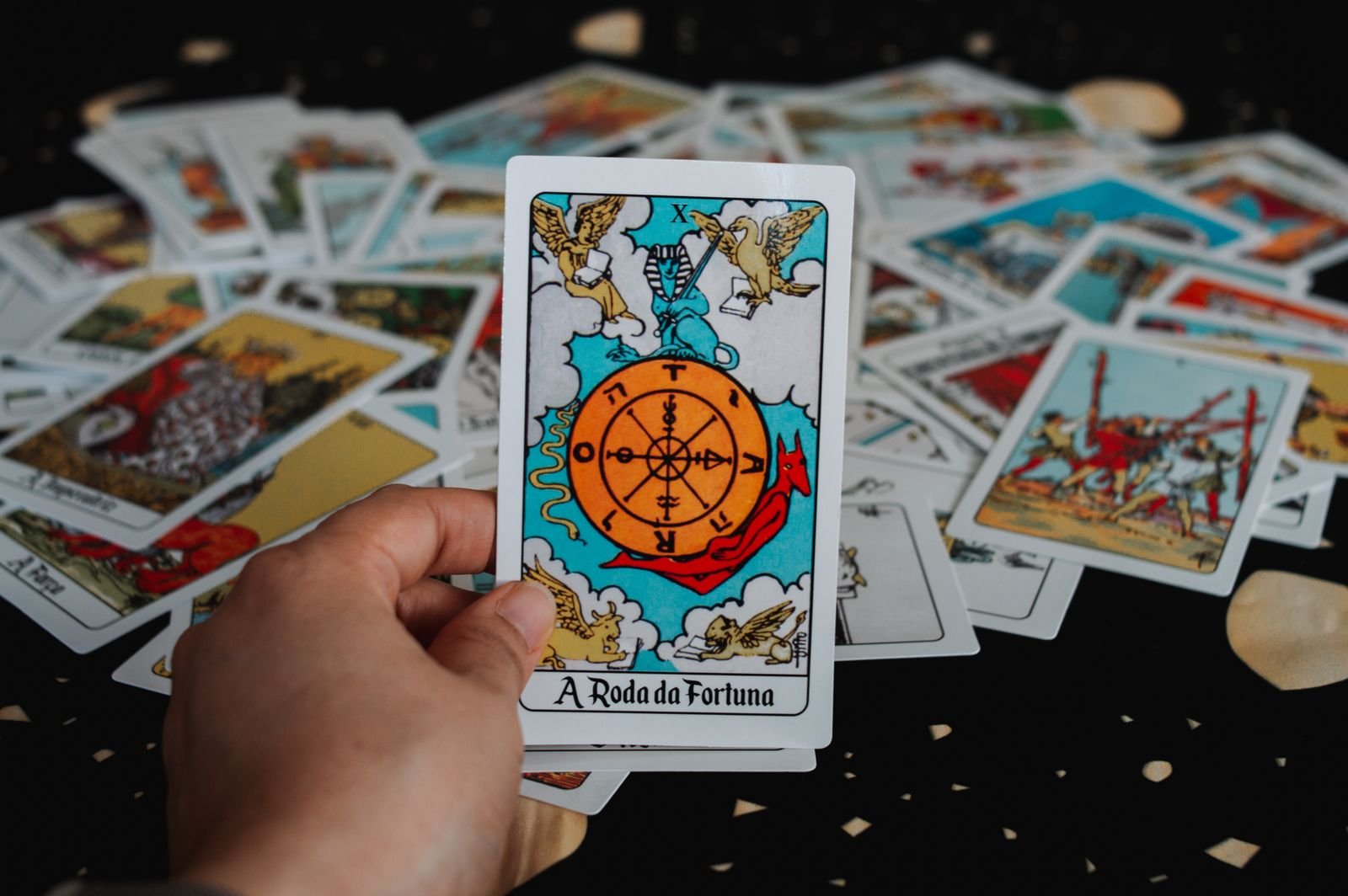
Lay one row of cards, one card per option, left to right in the order you name them. Three options means three cards; five options means five. Above the row, place one card for the heart of the matter: what this decision is really about beneath the logistics. Below the row, place one card for advice: how to choose, not what to choose.
So the shape is: one card on top (the real question), a row of option cards in the middle, one card at the bottom (advice on choosing). Seven cards for four options, which stays readable. Name each option out loud as you lay its card; the naming keeps the positions honest.
Reading each option’s card
Read each option card as the flavor of that path, not as a thumbs-up or thumbs-down. The cards describe; you decide. A Tower on the freelance-leap option does not forbid the leap; it says the leap involves disruption, which you probably knew, and asks whether you want that disruption now.
Read comparatively. Spreads like this are one of the few places where comparing cards directly is the method: which option’s card has the most forward-moving energy? Which one feels heaviest? If one card is a court, that option may hinge on a person. If one is a major, that option carries the most weight in your life story right now. The guide to reading multiple cards together covers the comparative moves in detail.
The top and bottom cards do the heavy lifting
The top card, the heart of the matter, is the spread’s quality control. If it names something none of the options address (say, the Four of Swords: you are exhausted and deciding from exhaustion), the whole decision changes shape. Sometimes the top card reveals that the real question is not “which option” but “why now,” and that is worth knowing before you pick.
The bottom card advises on the choosing itself. The Hanged Man as advice says wait and look from another angle. The Eight of Pentacles says decide by which option teaches you the most. The Two of Swords says you are avoiding the deciding factor and you know what it is. This card is about process, and process advice is what stuck decision-makers actually need.
When options multiply past five
Past five options, the row gets unwieldy and the reading goes flat. Narrow first, then read. A quick elimination pass (“which two am I actually considering?”) is not cheating; it is the cards telling you the field was never really that wide. Alternatively, group options: read one card per category (stay-type options, go-type options, wait-type options), then do a second spread on the winning category.
You do not need memorized definitions for any of this. If the cards’ textbook meanings are rusty, the method for reading without memorizing 78 definitions works perfectly here: suit plus number plus the image in front of you is enough to compare five paths.
After the reading
Write down the ranking the cards suggest and your honest reaction to it. If the spread favors option B and you feel disappointed, the disappointment is the reading: you wanted A all along and were hoping for permission. Tarot is good at revealing the preference you brought in. The spread’s job is to lay the paths out clearly enough that you can see which one you were already walking toward.
And frame the question cleanly at the start. Vague questions produce vague rows, so our guide to asking better tarot questions is worth a re-read before a big decision spread. “What do I need to see about these four paths?” will outperform “What should I do?” every time.