The Emperor is the card people love to misunderstand. See a crowned man on a stone throne, and the mind jumps to tyrant, control freak, the boss who never listens. The Rider-Waite image invites that reading and then quietly argues against it. Look closer and the Emperor is not a portrait of domination. He is a portrait of responsibility: the person who builds the structure, holds the boundary, and answers for the outcome. In a spread, he usually points to order that protects rather than order that imprisons.
Reading the imagery
Start with the throne. It is stone, square, immovable, and the Emperor sits on it like a man who has no intention of getting up to chase anyone. His authority does not pursue; it presides. The ram heads carved into the throne connect him to Aries, the first sign of the zodiac, ruled by Mars. That is not decoration. Aries brings the card its initiating spark: the Emperor is the one who starts things, sets the terms, and takes the first risk.
In his right hand he holds an ankh, the Egyptian symbol of life, and in his left an orb, the classic emblem of worldly dominion. The pairing matters. Life in one hand, the world in the other: his authority is supposed to serve something larger than his own comfort. His red robes signal vitality and action, while the armor glimpsed beneath them says he is ready to defend what he has built. Even the barren mountains behind him are doing symbolic work. Nothing grows there by accident, which is exactly the Emperor’s point: what matters gets built on purpose, on rock, not on feeling.
If you want to practice this kind of visual reading on other cards, our guide to reading tarot symbolism walks through the method step by step.
Structure, order, and benign authority
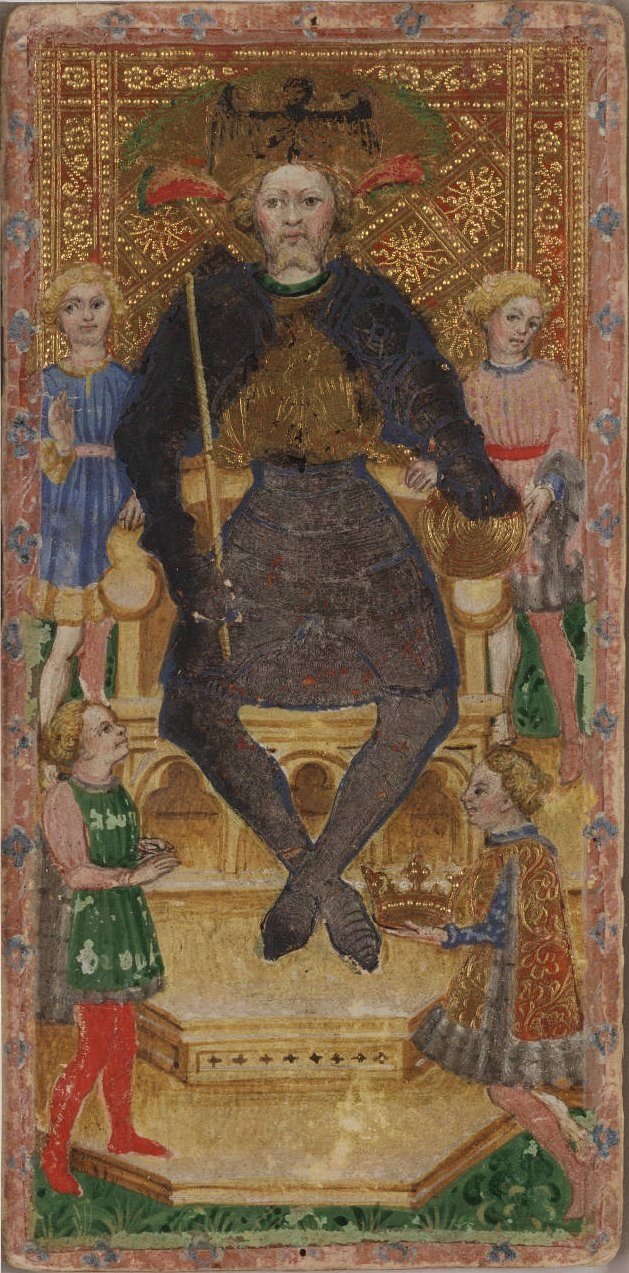
Upright, the Emperor stands for the systems that make life workable: the budget, the schedule, the house rules, the chain of command. He is the father who enforces bedtime because children need sleep, the manager who sets clear expectations because vague ones breed resentment, the part of you that pays the bills on time so the rest of you can relax. His question is always some version of: who is taking responsibility here, and is the structure holding?
This is why the card shows up so often in career and practical readings. It favors contracts over handshakes, plans over improvisation, and established procedure over creative chaos. None of that is glamorous, which is why the Emperor rarely gets the affection lavished on cards like the Star. But ask anyone who has lived through a period with no structure at all, and they will tell you what the Emperor is protecting: the basic conditions that let everything else happen.
In relationship readings he can represent a partner who provides stability, or the need for clearer boundaries and expectations. In personal readings he often points to self-discipline, the unglamorous kind, like keeping the promise you made to yourself when nobody was watching.
Fathers, bosses, and institutions
The Emperor also wears the faces of authority figures: fathers, bosses, mentors, institutions. When he appears as a person rather than a principle, the reading is asking you to look at your relationship with authority itself. Are you dealing with a fair authority or an unfair one? Are you exercising authority fairly or hiding behind it? The card does not flatter power. It asks whether power is doing its job.
Sometimes the Emperor is you, being asked to step into the role you have been avoiding. Somebody has to make the decision, set the rule, or have the uncomfortable conversation, and the card is nominating you. Benign authority is still authority. It still requires the willingness to be unpopular for a while in service of something that lasts.

Reversed: when order curdles
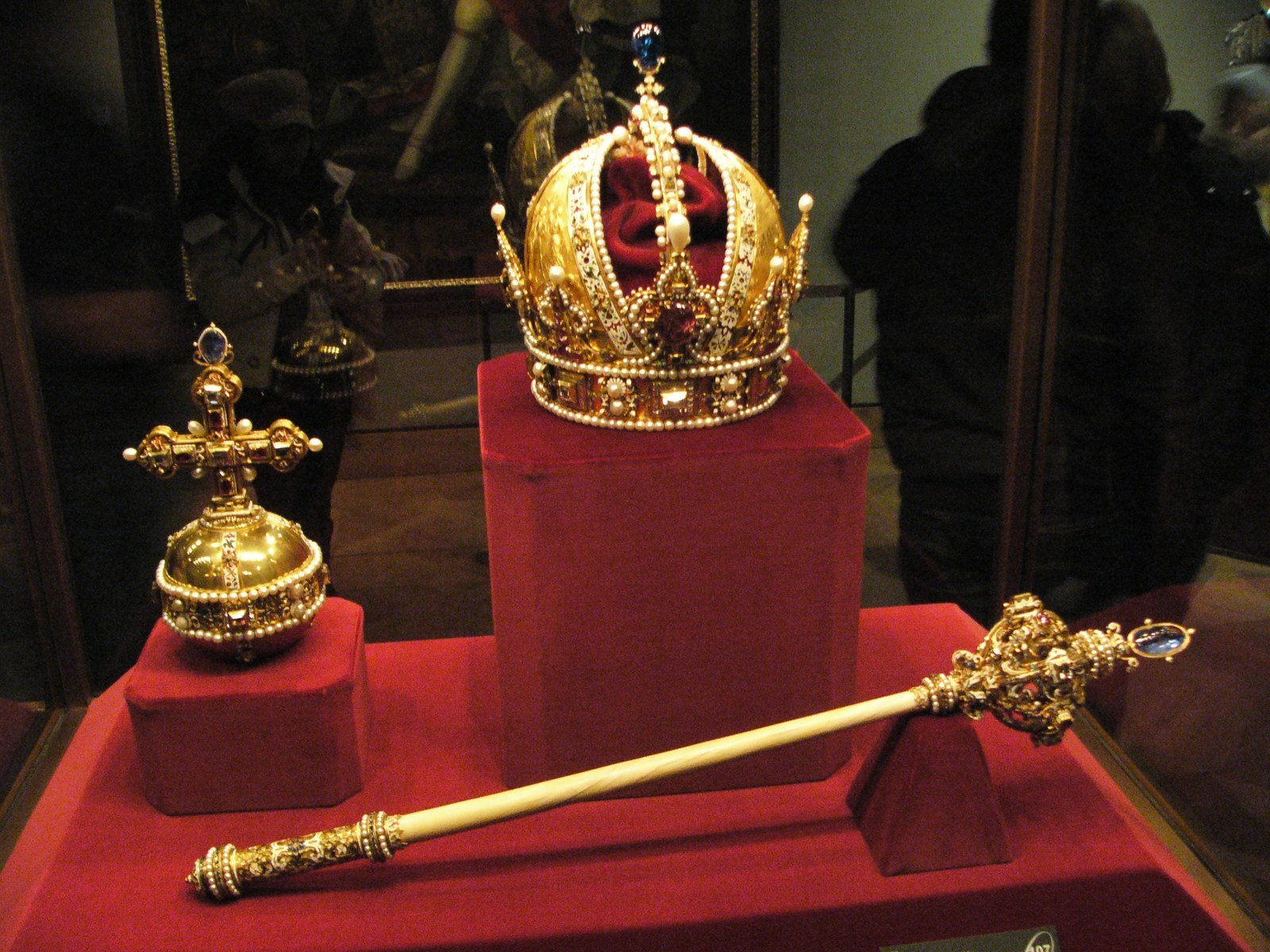
Turn the Emperor upside down and the same qualities curdle. Structure becomes rigidity. Leadership becomes control. The boundary that protected becomes the wall that isolates. Reversed, this card often describes the boss who micromanages, the parent who cannot let go, or the inner voice that treats every deviation from the plan as a moral failure.
It can also point to the opposite problem: the absence of the Emperor altogether. No plan, no boundaries, no one willing to decide, and the resulting mess that everyone complains about but nobody fixes. Both extremes are failures of the same virtue. The upright Emperor holds firm without crushing; the reversed Emperor either crushes or collapses.
When this card appears reversed, the practical question is diagnostic, not judgmental: where has control replaced care? If you use reversals in your practice, our overview of upright versus reversed meanings covers how to read them without turning every reading into bad news.
The emperor in the larger story
In the Fool’s journey through the major arcana, the Emperor (IV) follows the Empress (III), and the sequence is deliberate. The Empress gives abundance and nurture; the Emperor gives it shape and law. One without the other fails. Nurture without structure dissipates, and structure without nurture hardens into exactly the tyranny people fear when they first see this card.
That pairing is the card’s final lesson and its best defense against the tyrant cliché. The Emperor at his best is not the opposite of kindness. He is kindness with a backbone, care that can say no, love expressed as a roof that does not leak. For the full journey from Fool to World, see our guide to the 22 major arcana cards.