

The holidays arrive with a double feeling, warmth on one side and pressure on the other, with family, food, gifts, and old memories all crowded into a few short weeks. Tarot can help you slow down and look at what you want from the season, where the pressure sits, and who needs care, before the days run away with you. This spread is a tool for reflection, not a prediction about how the holidays will turn out, and it works best when you read it with care for the people you will spend them with.
Use this spread in the weeks before the holidays, when plans are forming and the first invitations have arrived. Lay the five cards in a row, left to right, and let each position speak for one part of the picture. Write down the first plain sentence that comes to mind for each card, then sit with the whole row before you decide what, if anything, you want to change in how you spend the season.
The five positions
Position one is the season as it comes to you. This card names the mood, the routine, or the pressure that shapes the holidays, from a full house to an empty chair. Position two is what you want from the holidays. This card points to the feeling you hope for, in a meal, a walk, or a quiet hour, rather than the perfect day in a picture.
Position three is the pressure point. This card is about the place where plans clash, where money runs short, or where an old family argument waits for its usual hour. Position four is a person who needs care, someone at the table who may be carrying more than they show, in grief, in tiredness, or in loneliness. Position five is one simple plan for a hard day, a small and practical move, such as a walk after lunch, a phone call to someone far away, or a quiet hour kept for yourself.

Keep the positions in this order, because the spread loses its shape if you swap them to suit a preferred answer. The pressure point comes before the person who needs care for a reason. You need to name the hard part clearly before you look for who needs you, or the care will only be a way to avoid the tension.
An example reading
Ruth, a fictional reader, laid out this spread in early December, when her first Christmas without her husband was coming. Position one, the season as it comes to her, showed the Four of Wands, and she read it as a house still standing, with lights up and a table set, even while one chair stayed empty. Position two, what she wants, showed the Star, and she read it as a simple wish for one calm evening, with candles lit and no demand to feel joyful on a schedule.

Position three, the pressure point, showed the Nine of Wands, and Ruth read it as the tiredness of keeping every tradition alone, with the cooking, the calls, and the cards all falling to her. Position four, a person who needs care, showed the Queen of Pentacles, and she named her plainly: her daughter, holding the family together at work while grieving in private. Position five, one simple plan, showed the Two of Pentacles, and she chose a single light step, asking her daughter to cook one dish together on Christmas Eve, with the rest of the meal kept simple.
Nothing in that reading told Ruth that the holidays would be easy, and she did not treat the cards as a promise. The reading gave her a way to describe the pattern she already felt, and a step small enough to try without asking anyone to change everything at once.
The misread to avoid
The most common misread in this spread is to turn position one, the season as it comes to you, into a prediction that the holidays will go badly. A hard card there does not prove that Christmas will be ruined, and a gentle card does not prove that every day will be warm. One card cannot carry the whole weight of a season, and a single hard morning cannot tell you how a family will act across two weeks.
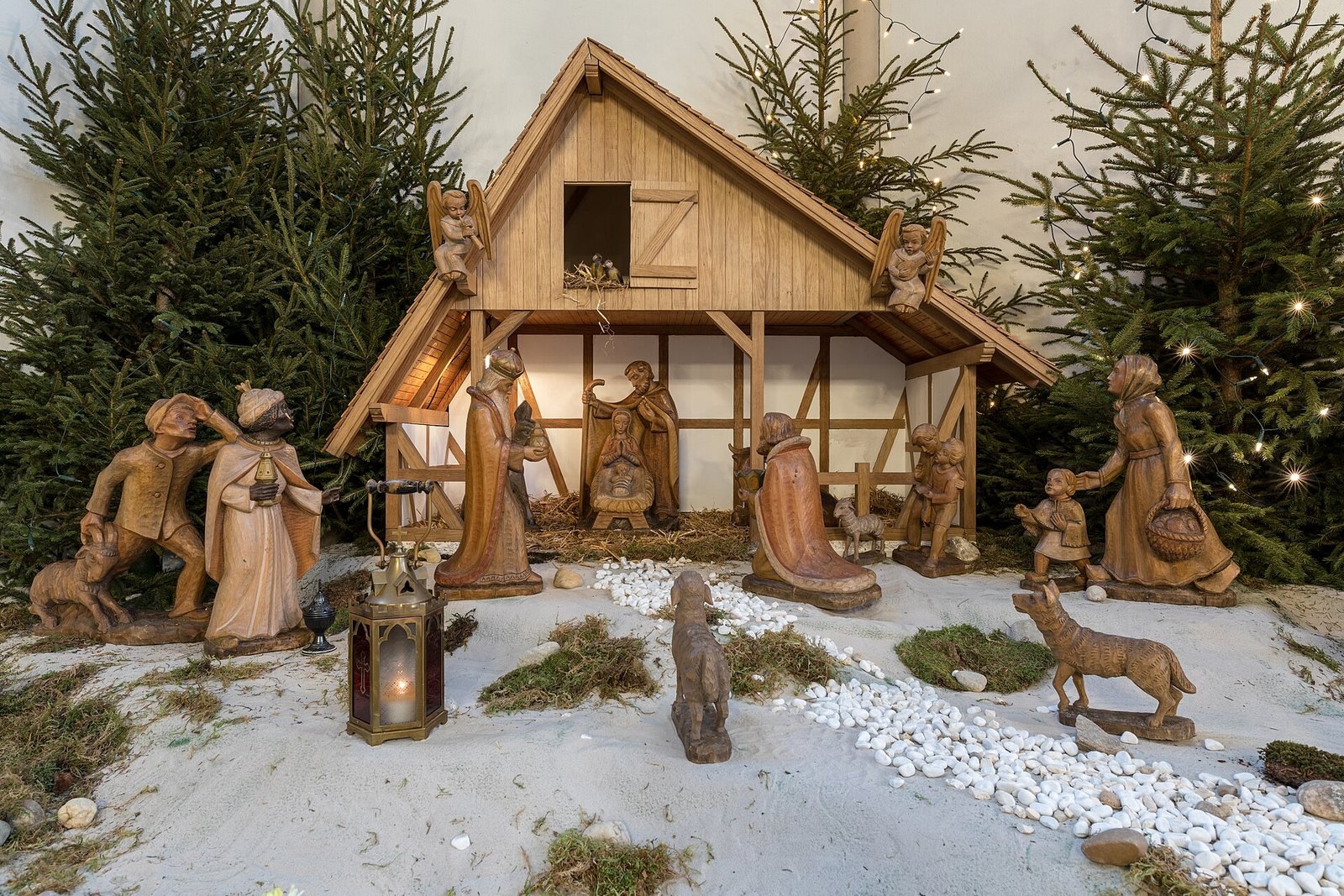
Read position one as a prompt to prepare, not as evidence to use in a judgement of the season. Ask what the feeling tells you in your own words, and what a calmer day might look like from your side of the table. If a card seems to point at dread, pause and reframe it as a need: more rest, clearer plans, or one honest talk about what the family can let go of this year.
Using the spread more than once
Repeat this spread when the season changes, not every day, and keep each reading beside the last one so you can see what repeats and what shifts. A card that returns in position three across two readings may point to a pressure that still needs work, while a card that moves in position one may show that a new plan has started to hold. For a wider look at layout choices, see the guide to five-card Tarot spread layouts, and for the stories the major cards tell about a life path, read the major arcana and the Fool’s journey.

Between readings, keep notes short and concrete: the date, the five cards, one sentence per card, and the one simple plan you tried. That record matters more than any single card, because it shows whether a step helped, whether it was tried at all, and whether the next reading needs a different step.