

Learning an instrument starts with excitement and meets reality fast: sore fingers, a squeaky first month, and practice sessions that compete with work, school, and tired evenings. A spread can sort that mix into separate parts, so one hard week does not end the whole project. The spread below uses five cards, laid out in a single row from left to right. Each position covers one part of learning, from the pull that started it to the first tune worth learning.
Shuffle with one instrument in mind, whether it is a guitar already in a corner, a piano at a neighbour house, or a violin rented for a trial month. If the instrument is still undecided, name the likeliest one before you draw, and keep that choice fixed through the reading. Draw five cards face up in order, then read them left to right.
The five positions

Position one covers the pull toward music. It names why this instrument, and why now: a song heard at a wedding, a parent who played, a wish to join a group, or a quiet wish to make something beautiful after a long day. A warm card here points to a pull that can carry the learner through the dull early weeks. A muted card here can mean the pull is borrowed, such as a gift that came with pressure, and the learner may need their own reason to keep going.
Position two covers the instrument to begin with. If the instrument is already chosen, this card reflects whether it fits the learner: its size, its cost, its noise, and its demands on hands and breath. If the instrument is still open, this card points toward a family of instruments: strings, keys, wind, or percussion. Position three covers the practice habit to build. The habit might be fifteen minutes every morning, two longer sessions a week with a teacher, or playing along with recordings. Read this card as a routine to set, rather than as a talent to wait for.
Position four covers a block to expect. The block might be frustration with slow progress, stage fright, a busy season at work, or a teacher whose style does not fit. Position five covers one tune to learn first. It is deliberately narrow: one song the learner loves, simple enough to finish, and worth playing for one other person. If you want other five-card shapes for comparison, five-card tarot spread layouts explained sets out several common arrangements.
An example reading
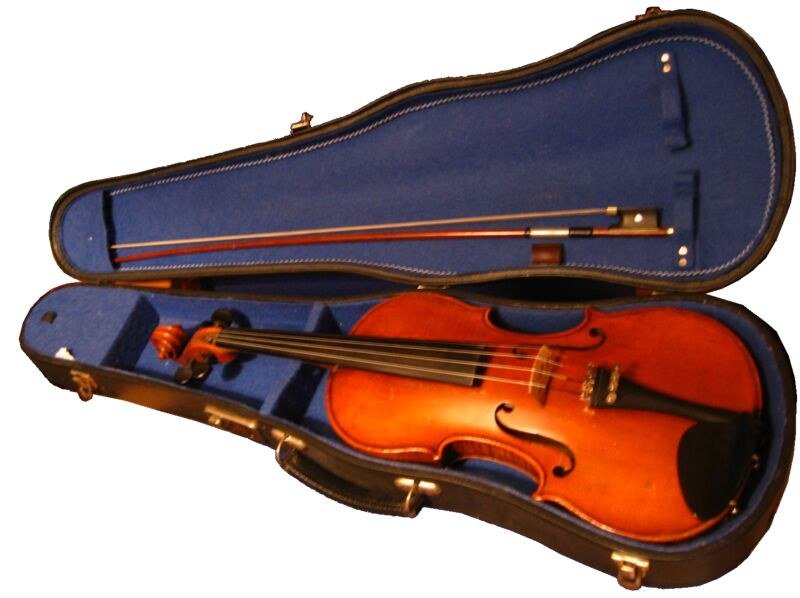
Imagine a reader who has rented a violin and wants to play folk tunes. Position one shows the Star, which fits a pull toward music as a calm, hopeful part of the day: a wish to play something gentle after work, rather than to perform. Position two shows the Page of Pentacles, which points to a beginner instrument treated with care: a rented violin, a teacher who explains basics slowly, and a practice book with clear steps. Position three shows the Eight of Pentacles, which suggests steady craft: short daily practice, scales before songs, and attention to bow hold before speed.
Position four shows the Five of Cups, which warns of a block shaped by disappointment: a tune that sounds wrong for weeks, or a comparison with a friend who learns faster. Position five shows the Three of Pentacles, which suggests one tune learned with help: a simple folk melody worked on with a teacher, then played for a small group. Read together, the spread gives a plan. The pull is calm, the path is steady craft, disappointment is likely and survivable, and the first tune should be learned with others, not alone in a room.
The misread to avoid
The most common misread in an instrument spread is treating position four as proof of no talent. A hard card in the block position does not measure talent. It names the obstacle that will test the habit. Every learner meets one: a plateau, a sore wrist, a month with no time. The card earns its keep when it prompts a practical answer, such as a shorter practice session, a different teacher, or a simpler tune for two weeks, rather than a verdict that ends the learning.
It also helps to read position three beside position five. A heavy practice habit paired with a hard first tune may mean the learner should choose an easier song. A light habit paired with a simple tune may mean there is room to add one more session a week. The spread works best when it sizes the practice to the life around it, rather than demanding a conservatory routine from a person with a job, children, and a rented violin.
Using the spread as you improve
This spread can be repeated when the learner reaches a new stage: after the first tune, before joining a group, or when choosing a second instrument. Each repeat should keep the same five positions, so the readings can be compared. A block card that softens across readings can show that a habit is working. A pull card that changes can show that the learner now plays for a new reason, such as friends or a band, rather than the reason that started it.
Keep the readings in a practice journal beside plain notes: minutes played, tunes finished, and one line about what felt hard each week. The notes matter more than the cards over time, since they show progress that a single bad evening hides. A spread that stays beside a real practice log helps a learner keep going, while a spread read alone before every session only adds pressure. For writing prompts that deepen a reading, tarot journaling prompts for deeper readings offers questions that turn a spread into a longer reflection.