
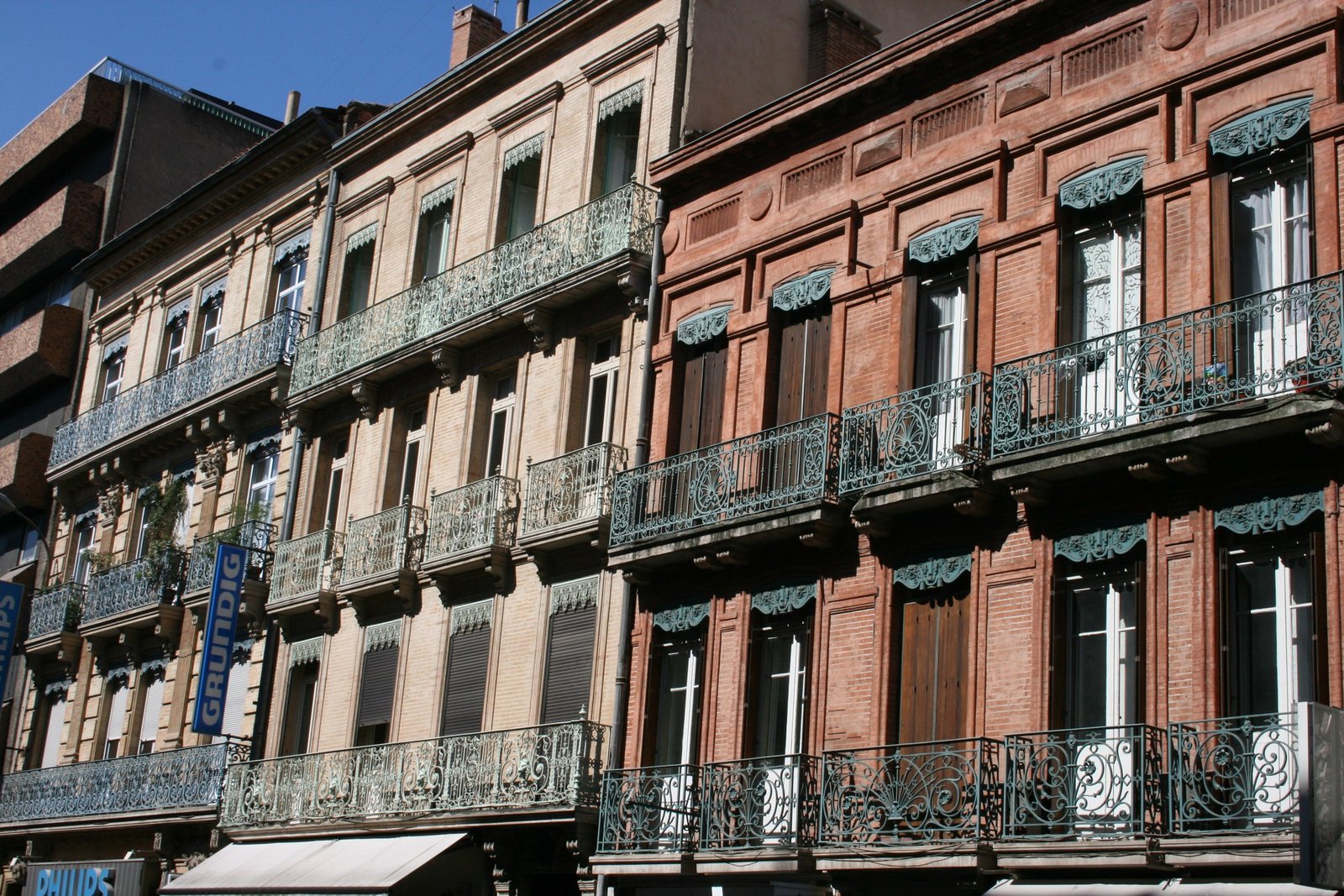
A first apartment is a practical move wrapped in a large feeling. Rent, rooms, light, noise, and neighbors all matter, and the choice has to be made before the place can be lived in. A spread for this move needs to separate those parts so they can be weighed one by one. The five-card spread below does that. It asks what home is needed, what the budget can carry, what the area offers, what cost hides in the details, and what daily life in the new place may feel like.
Shuffle with a question such as what should I weigh in this move. Lay five cards in a row, left to right, and read them as one story about the move. The spread does not pick an apartment for the reader. It names the parts of the choice that deserve attention, so the reader can check them in real life with a visit, a budget sheet, and a talk with the landlord.
The five positions
The first card is the home you need, the kind of space that fits daily life rather than a dream flat. The second card is the budget, the money side of the move, including rent, bills, and the cost of settling in. The third card is the neighborhood, the streets, transport, shops, and feel of the area. The fourth card is a hidden cost, a fee, a repair, a commute, or a rule that only shows up after signing. The fifth card is life in the new place, the tone of ordinary days once boxes are unpacked.
Keep the budget card and the hidden-cost card separate. The budget card covers what is known and planned. The hidden-cost card covers what is easy to miss, such as a parking charge, a laundry cost, or a long winter heating bill. Readers who separate those two cards tend to ask better questions on a viewing, because they look for the cost that is not on the listing page.
An example reading
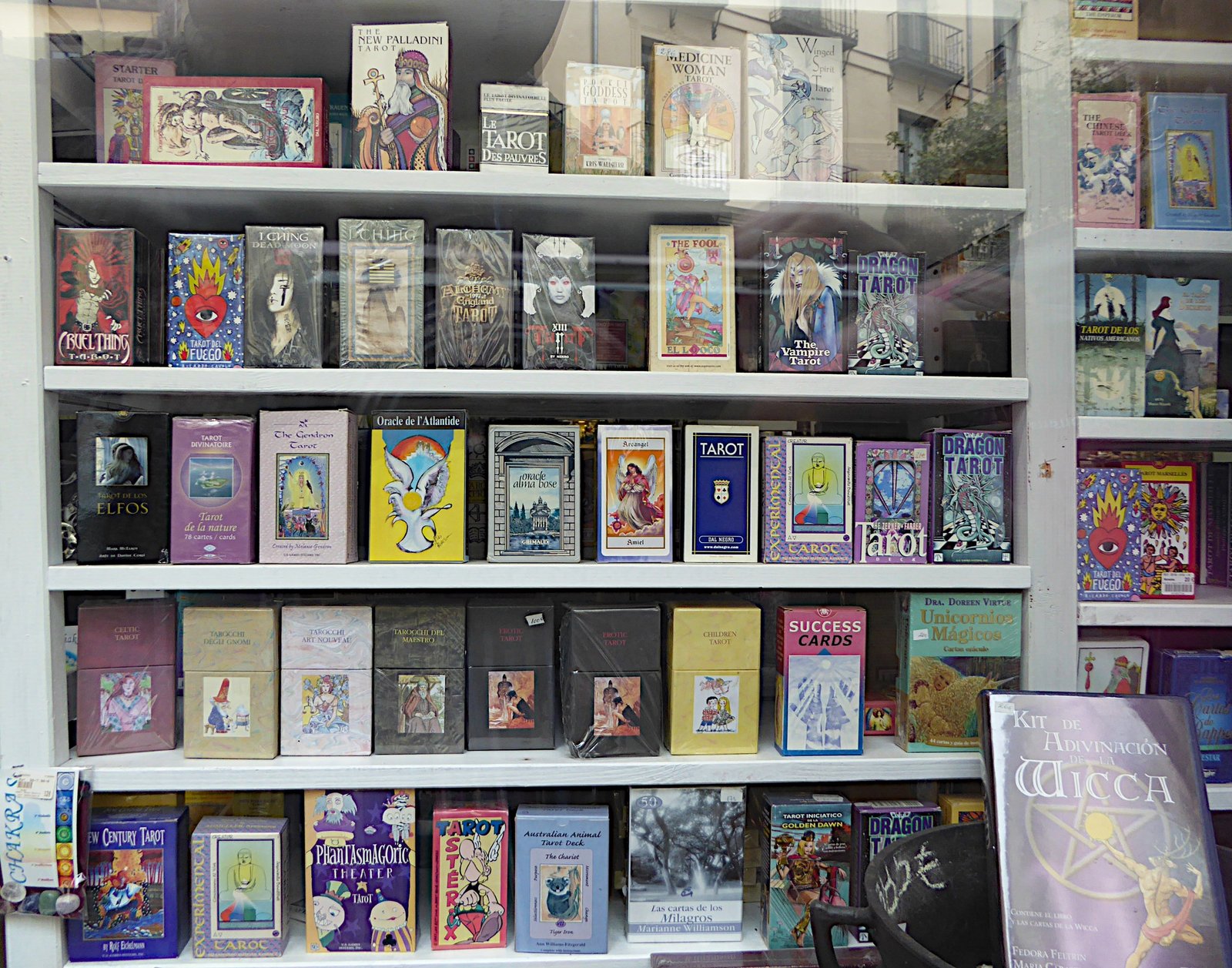
Imagine the row reads like this. The first card is the Four of Wands, which points to a home that feels settled and welcoming, with room for friends. The second card is the Five of Pentacles, which points to a tight budget that needs care in the first months. The third card is the Knight of Pentacles, which points to a steady, quiet area rather than a busy center. The fourth card is the Seven of Swords, which points to a detail to check twice, such as what the rent truly covers. The fifth card is the Ten of Cups, which points to daily life that feels content once the move settles.
Read together, the row gives plain advice. Choose the quieter area, keep the budget tight at first, and read the lease line by line before signing. The final card does not erase the budget warning. It shows what the move can feel like if the money side is handled with care. That balance is the point of the spread. It holds hope and caution in the same row, instead of letting one of them decide alone. For a two-option choice between flats, the two-option decision tarot spread gives a separate layout for comparing two places side by side.
How to use the spread
Write the five cards down with one real-world check beside each. Beside the neighborhood card, write a visit at a different time of day. Beside the hidden-cost card, write a question for the landlord about bills, deposits, and repairs. Beside the budget card, write the monthly total with bills added, not rent alone. Those checks turn the reading into a viewing list, and the viewing list is what protects the reader after the cards are put away.
The spread also works well when two flats are on the table. Lay it once with each flat in mind, and compare the rows. One row may show a calm neighborhood card and a hard budget card, while the other shows the reverse. Readers new to card meanings can use the Aces in tarot to see how fresh-start cards differ across suits when they appear in a move spread.
The misread to avoid
The common misread here is treating the spread as a yes-or-no answer about one flat. A card such as the Devil in the hidden-cost position does not mean refuse the flat outright, and a card such as the Sun in the final position does not mean sign without reading the lease. The cards name themes to check. The lease, the budget, the visit, and the landlord conversation are what decide the move. A spread that replaces those checks puts the reader at risk, and it wastes the one thing tarot does well: naming what to look at closely.
A second misread is reading only the final card and calling it the answer. The last card only makes sense after the budget and hidden-cost cards. A bright final card after a tight budget card tells a different story from the same final card after an easy budget card. Keep the whole row in view, and let the middle cards carry their weight.
Used with those limits, the spread stays honest and useful. It names the home needed, the money to plan, the area to visit, the cost to double-check, and the daily life that may follow. The reader still visits flats, reads leases, and counts the budget, and the cards simply help the reader weigh the move whole before signing.