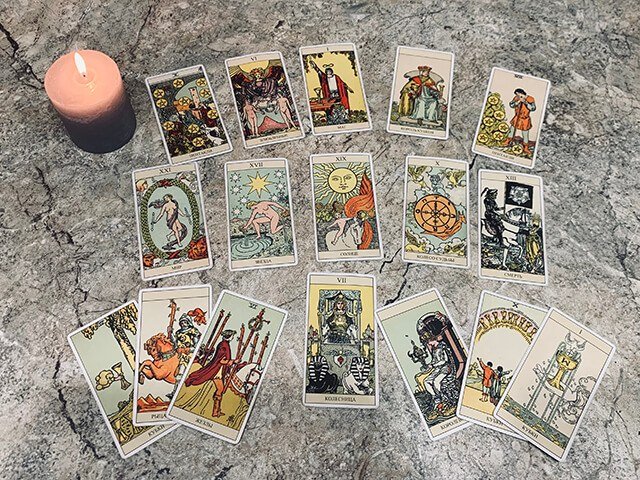
After you lay out a tarot spread, a small ritual tempts many readers: flip the deck over and glance at the card sitting on the bottom. That card has a nickname in tarot circles, the shadow card. It is the card that stayed face down at the base of the stack through the whole shuffle and draw, and some readers treat it as a quiet footnote to the reading. Here is what it is, when it helps, and when it is better left face down.
What the shadow card is
The shadow card is simply the last card in the deck, the one resting at the bottom of the stack once the reading is on the table. It earned the name “shadow” because it sits behind everything else, out of sight for the entire process, and because readers tend to treat it as the unspoken layer of the situation: the motive nobody named, the worry coloring the question, the backdrop the drawn cards are playing against.
Nobody appointed it to a position. It has no seat in the spread, no house, no number. That is the whole point. Because it was never chosen for a role, it cannot argue with the cards that were. It can only comment from the sidelines, and a sideline comment carries less weight than a statement made from a position.
When to peek at the bottom of the deck
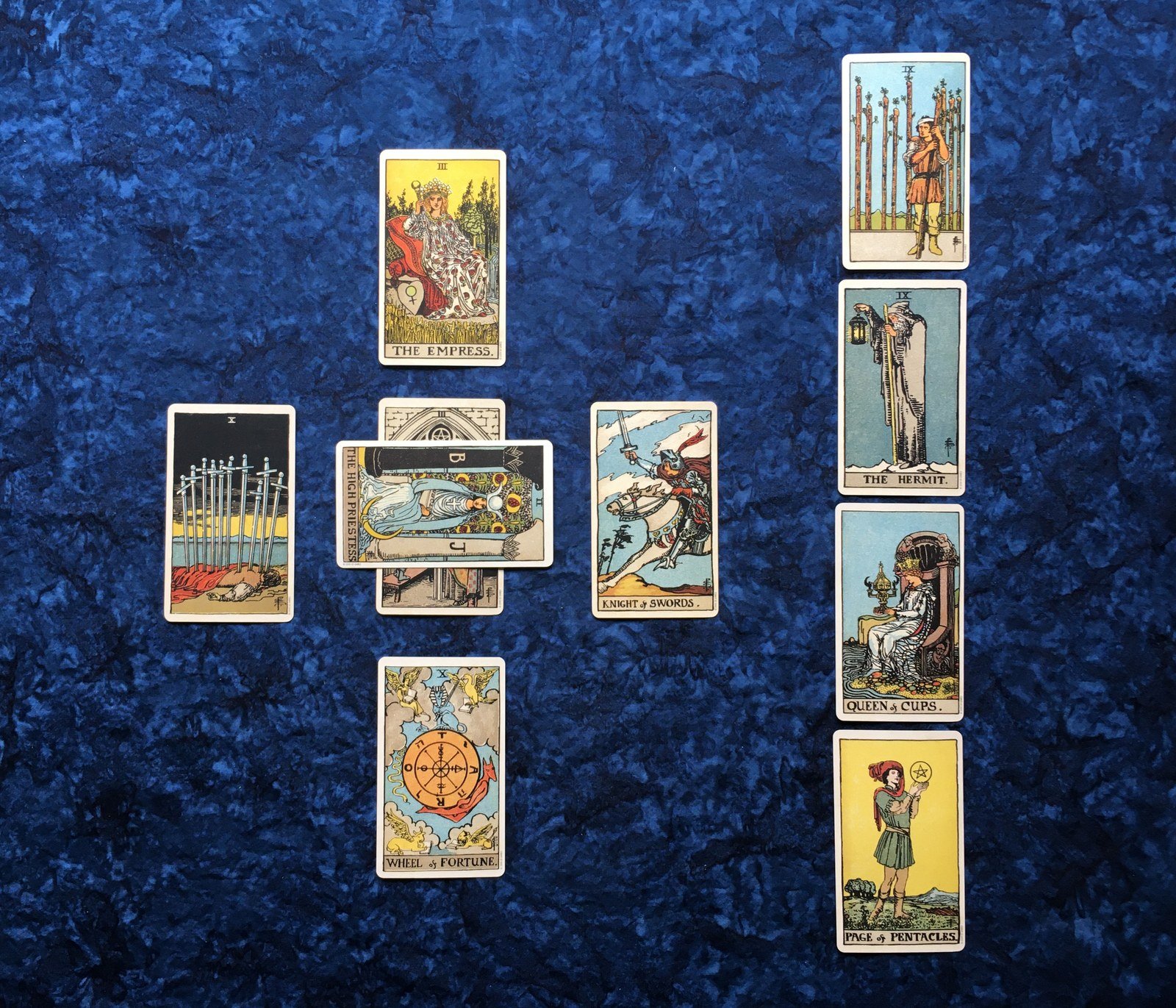
The shadow card earns its place in a few specific moments. The first is the flat reading, the spread where every card technically answers the question yet nothing quite lands. A shadow card can supply the missing emotional texture, like discovering the real topic was never the job interview but the fear of being judged.
The second is the question with a hidden factor. Relationship readings, workplace politics, family decisions, these are the spreads where something unsaid is usually steering events. A shadow card gives that unsaid thing a face. It does not prove it exists, but it gives you and the querent something concrete to test against reality.
The third is simple curiosity after a reading that already went well. There is nothing wrong with checking the bottom card as a coda, the way you might read the last page of a chapter twice. Just remember which role you assigned it: background color, not new information.
When to leave it alone
If the reading is already clear, adding a shadow card only adds noise. A spread that answered the question does not need a bonus track. Pulling extra cards “just to see” is how a clean reading turns into a pile of competing voices, and the shadow card is the easiest extra card to justify because it requires no new draw.
Leave it face down when the querent is anxious. An already nervous person does not need one more card to worry about, especially a card with a name like “shadow,” which sounds ominous no matter how gently you frame it. And leave it alone when you are reading on a tight structure like the Celtic Cross, where every position already carries a defined job. Ten positions of meaning plus a free-floating footnote is plenty.
Shadow card vs clarifier card
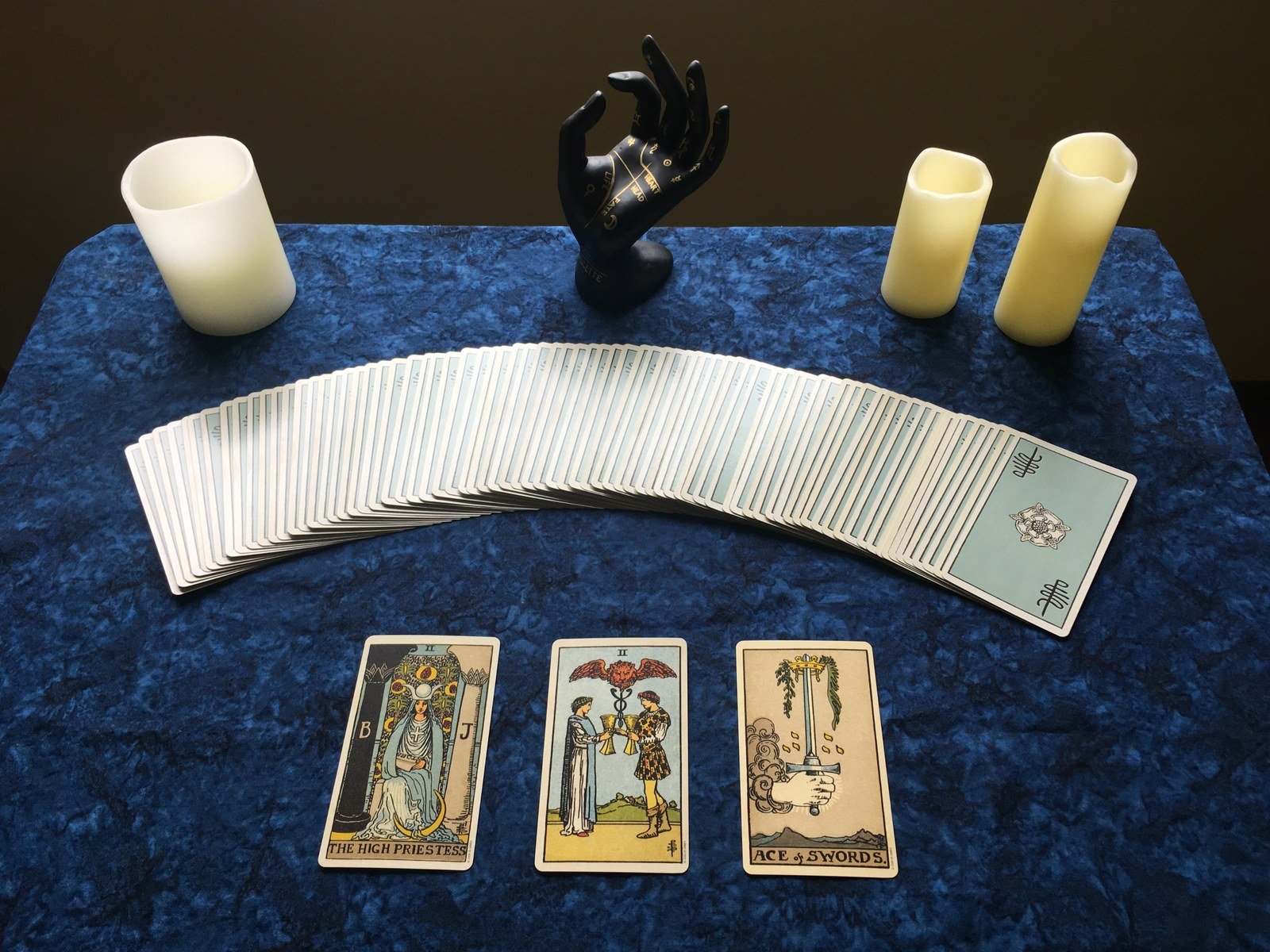
These two get confused because both are extra cards beyond the spread, but they work in opposite ways. A clarifier is drawn deliberately, on purpose, to shed light on one specific card that refused to make sense. You ask the deck for help, and you draw again. The shadow card is found, not drawn. It was sitting at the bottom the whole time, untouched by your question about any particular card.
That difference changes what each one can do for you. A clarifier narrows the focus, zooming in on a single card. A shadow card widens it, suggesting the atmosphere the whole reading is breathing. One answers “what did this card mean,” the other answers “what is going on underneath all of this.” They are not substitutes for each other. If you want a broader discussion of how many cards a question really needs, read our guide on how many tarot cards to pull per question.
The honest limits
Here is the part worth saying plainly: the shadow card is a supplement, not a verdict. It has no position, so it has no authority. If it contradicts the spread, trust the spread. The cards you drew for defined positions outrank a card you noticed afterward, every time.
It is also easy to abuse. Because the shadow card is always available, it is always tempting, and “always available” is exactly the profile of a crutch. If you find yourself checking the bottom of the deck after every reading, the habit is no longer serving the reading. The discipline is the same one that keeps a reading honest in general: decide what counts before you look, and write down what you saw. Keeping a record of your readings makes patterns visible, including the pattern of leaning on the shadow card too hard.
Used with restraint, the shadow card is a lovely little tool, a whisper from the part of the deck that stayed silent. Let it whisper. Just do not hand it the microphone.