

The mind, body, spirit spread uses three cards, one for each part of the name. You shuffle, you deal three cards in a row, and you read them as a check-in rather than a forecast. The first card goes to the mind: what your thoughts are doing. The second goes to the body: energy, sleep, appetite, strain. The third goes to the spirit, which in practice means the part of you that cares about meaning: motivation, connection, the sense that your days add up to something.
Readers reach for this spread when a general unease has no obvious address. Nothing is wrong enough to build a large spread around, yet something feels off. Splitting the question into three parts gives the unease three chances to name itself. Often one card is calm and two are loud, and that alone tells you where to look first.
How to lay out the spread
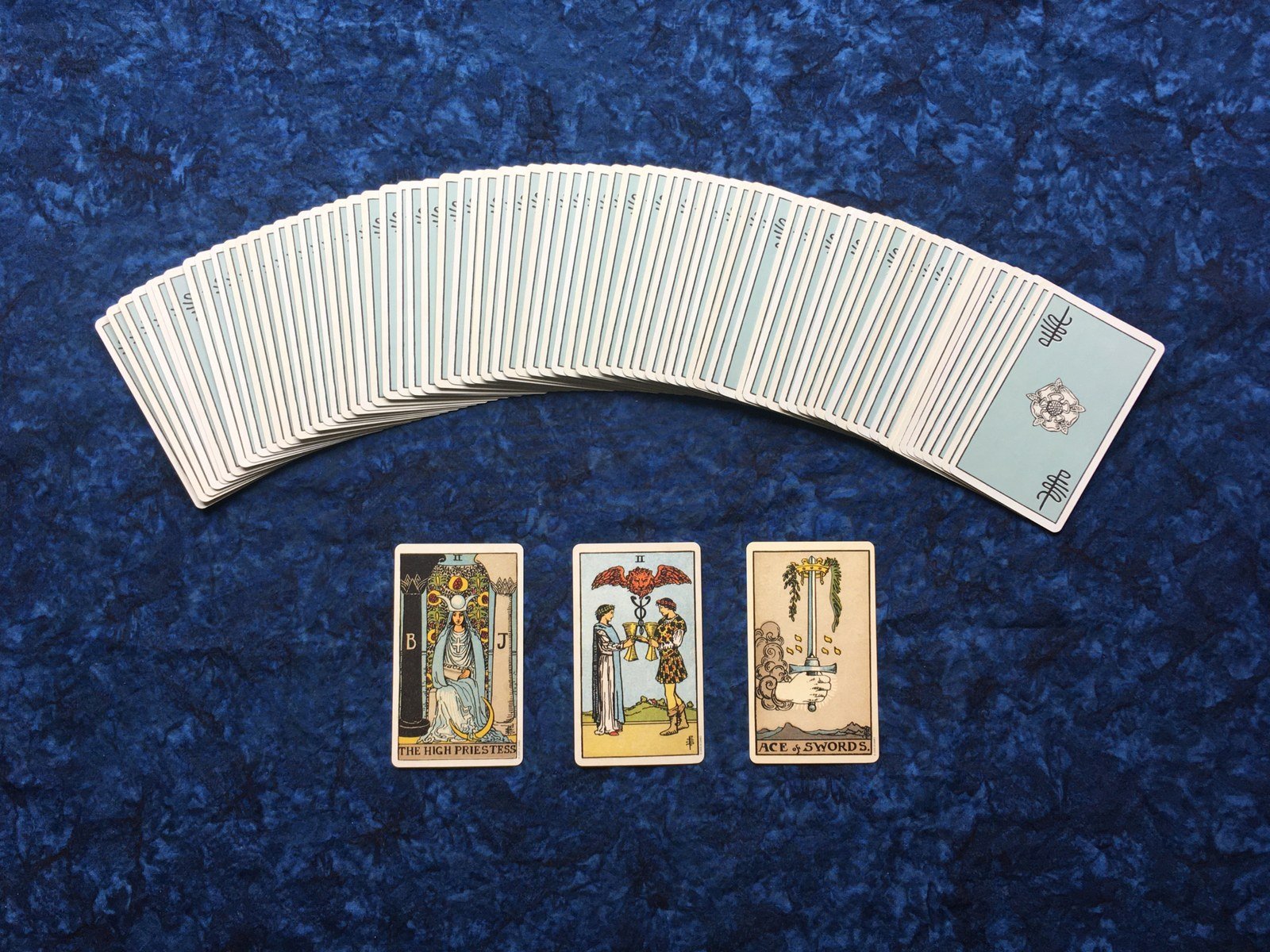
Shuffle in whatever way you normally do, then deal three cards face down in a row, left to right: mind, body, spirit. Turn them over one at a time and sit with each before moving on. The order matters less than the assignment. Deciding in advance which position means what keeps you honest, because it stops you from handing a hard card to whichever position can best absorb it.
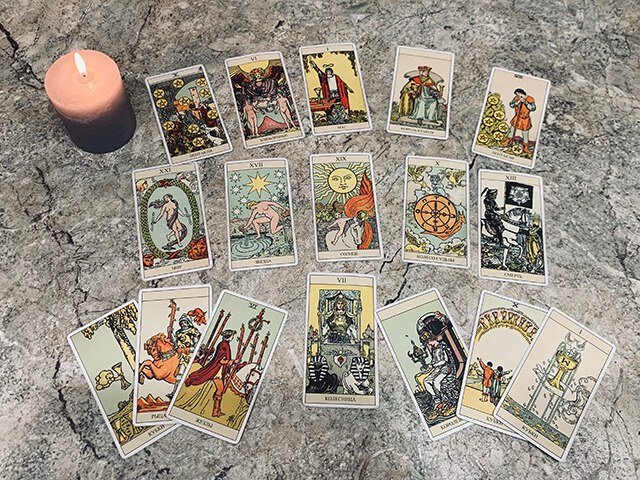
Three cards is a small canvas, and that is the point. If you want other small layouts for daily use, five three-card tarot spreads collects several, and this one is the most personal of the set. Save the ten-card spreads for questions with moving parts and other people in them. A check-in only has one person in it.
Reading the three positions
The mind card describes your current headspace in plain terms. Swords appear here often, since the suit deals in thought, and a busy swords card in this position usually names a loop: a conversation you keep rehearsing, a decision you keep reopening. Cups in the mind position point to feelings doing the thinking. Wands point to plans and appetite for action. Pentacles point to money, work, and the physical list of tasks.
The body card is the one readers most often skip past, and it is worth slowing down for. This position tends to be literal. A card of rest, like the Four of Swords, in the body slot during a week of poor sleep is not a metaphor. The spirit card, third, describes morale. Majors land here with some frequency in self-readings, and a major in this slot usually widens the frame: the question is no longer about this week, but about whether your current direction still fits you.
When the three cards disagree
The useful readings are usually the uneven ones. A settled mind card beside an exhausted body card describes the person who has decided to rest and has not done it yet. A drained spirit card beside two steady cards describes functioning without appetite: everything works, nothing appeals. Read the gap between the cards as well as the cards themselves. The spread works because the three positions can contradict each other, the way a person can be fine at work and running on empty at home.
If all three cards point the same way, believe them the first time. Three cards agreeing on rest, or on conflict, or on a fresh start, is a clear signal in a small spread, and re-dealing until the answer softens teaches you nothing. Write the reading down as it landed. A short note per card is enough, and keeping a tarot journal turns these check-ins into a record you can compare month to month.
Why three cards are enough

A Celtic cross gives you ten positions and a lot of weather. This spread gives you three and a clear sky. For a weekly or even daily self-check, three positions match the size of the question, and the reading stays short enough to finish before your coffee cools. Use it when you feel vaguely off and want a location for the feeling. Use a larger spread when the situation involves timing, choices, or other people’s plans.
Done regularly, the mind, body, spirit spread becomes a baseline. You learn your own normal: which suits show up for your body when you are rested, which cards trail your spirit when work takes over. Against that baseline, a strange card stands out at once, and a strange card is usually the one carrying the message.
4 thoughts on “The Mind, Body, Spirit Spread: Three Cards, One Check-In”