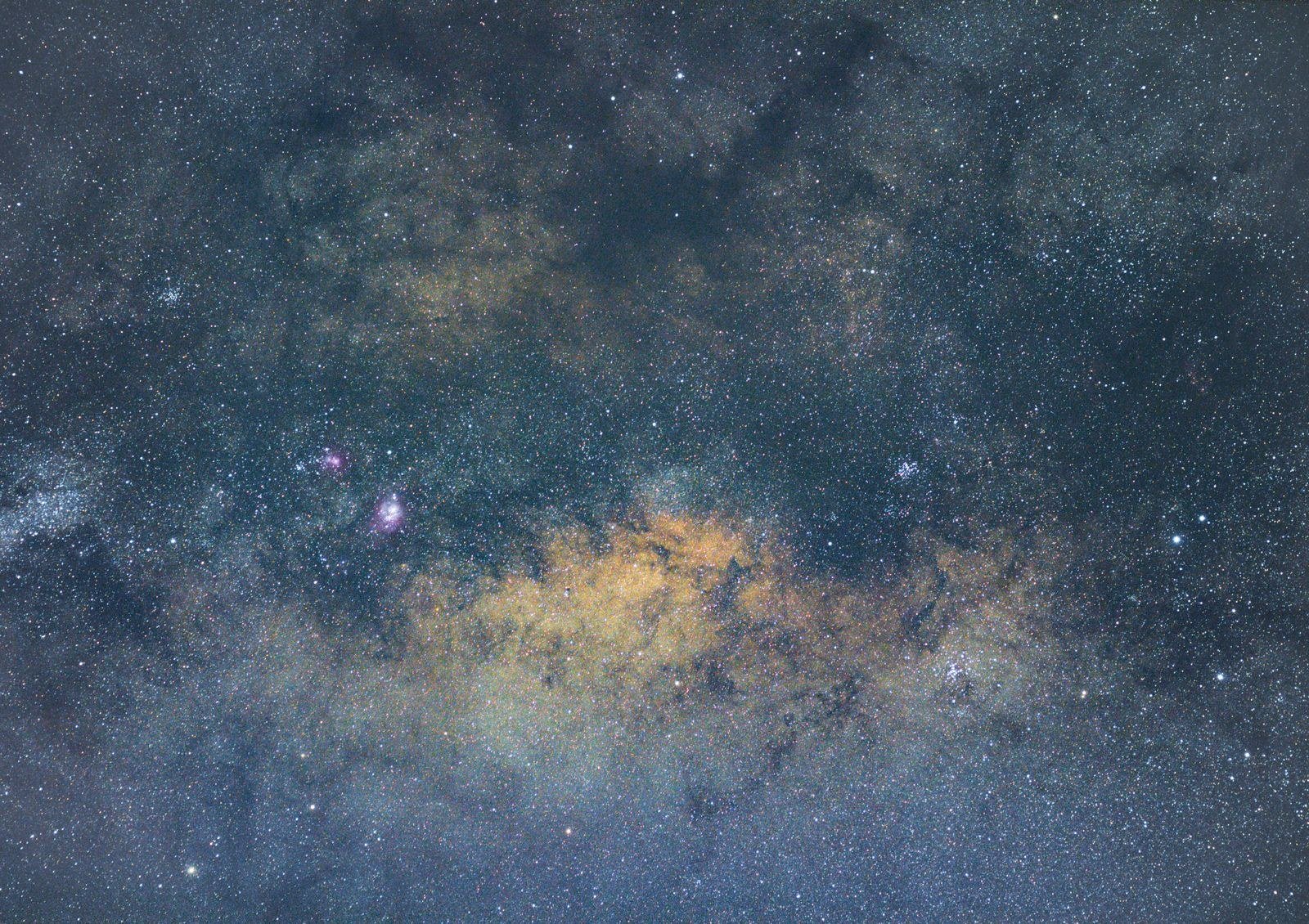
Between Mars and Jupiter, thousands of rocky bodies orbit in the asteroid belt, and four of them have earned a place in serious astrology: Juno, Vesta, Pallas, and Ceres. They are the first four asteroids ever discovered, found between 1801 and 1807, and each carries the name and story of a goddess. Where the planets describe the big drives of the chart, the asteroids describe specific devotions: how you commit, what you protect, how you think strategically, and how you nurture.
Why these four
Astronomically, the four are the heavyweights of the belt. Ceres is large enough to be classified as a dwarf planet, like Pluto. Vesta is the brightest asteroid, sometimes visible to the naked eye. Pallas has one of the most tilted orbits in the belt. Juno was the third discovered. Early nineteenth-century astronomers briefly listed them as planets before the growing crowd of belt objects forced a rethink, which is a fun mirror of Pluto’s later story.
Astrologers who use them treat them as refinements rather than foundations. Nobody reads a chart by asteroids alone. But once the planets are understood, the four add texture in exactly the areas their myths describe. Our guide to planet vs sign vs house explains the layering logic that makes room for them.
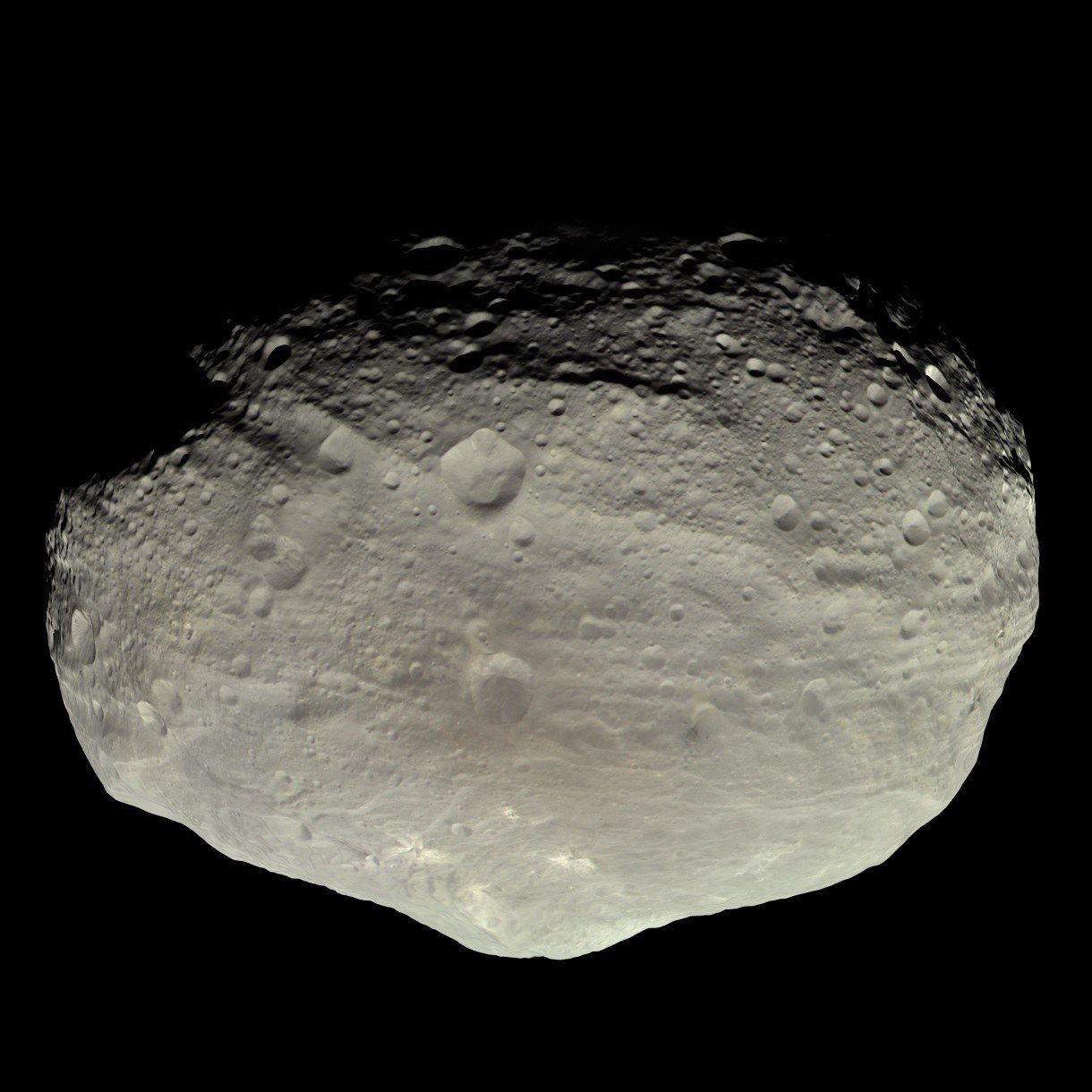
Juno: the terms of commitment
Juno is the asteroid of marriage and committed partnership, named for the Roman queen of the gods, wife of Jupiter. In the myth she is powerful, dignified, and perpetually dealing with her husband’s infidelities, which tells you what this asteroid tracks: not romance but the contract. Juno in your chart describes what you need from a committed partnership to feel the deal is fair: loyalty, equality, respect, shared power.
Read Juno by sign and house the way you would a planet. Juno in Libra wants partnership as a meeting of equals; in the seventh house, commitment itself is a central life theme. In synastry, Juno contacts between charts can show where two people formalize things, which is why our beginner’s guide to synastry mentions her. Juno does not describe whether you fall in love. She describes what makes you stay.
Vesta: the sacred focus
Vesta is the asteroid of devotion and focus, named for the Roman goddess of the hearth, whose priestesses kept the sacred flame burning. Where Juno commits to a person, Vesta commits to a calling. Her placement shows where you can concentrate with unusual intensity, what work feels sacred to you, and where you might sacrifice personal life for purpose without quite noticing.
Vesta in the sixth house can mean devotion to craft or service; in the tenth, a career treated as a vocation. The shadow is the vestal extreme: focus so total it burns the rest of life as fuel. Vesta asks what deserves your flame and whether you are tending it or just watching it burn you out.
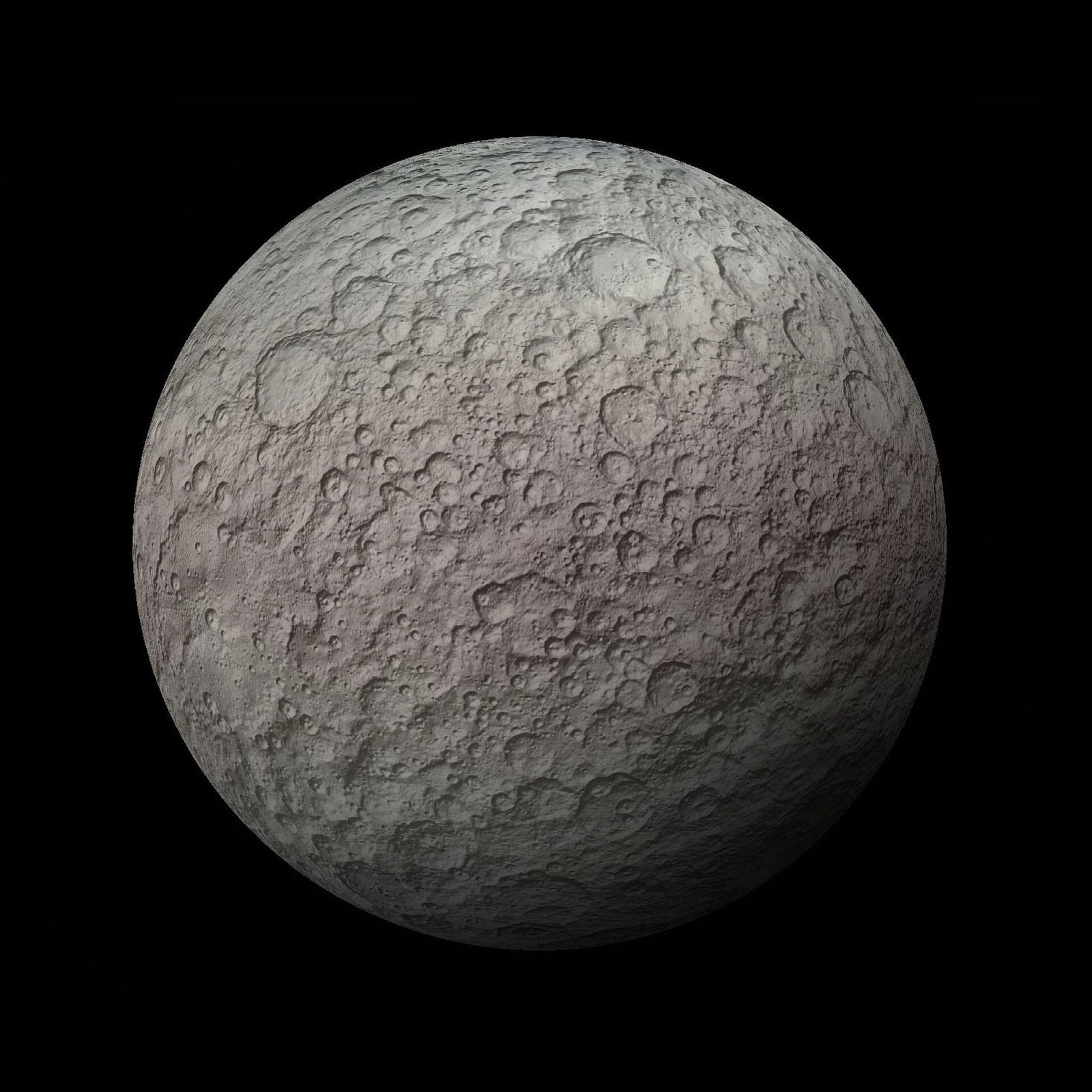
Pallas: the strategic mind
Pallas is the asteroid of wisdom and strategy, named for Pallas Athena, the goddess born fully armed from Zeus’s head. She governs pattern recognition, tactical thinking, and the creative intelligence that solves problems by seeing the whole board. Her placement shows how you strategize: where your judgment is sharpest and what kind of problems you were built to solve.
Pallas in Virgo analyzes systems; in Scorpio reads motives; in Aquarius designs futures. She is often strong in the charts of people who mediate, diagnose, or outmaneuver: therapists, lawyers, strategists, artists who compose rather than emote. Where Mercury describes how you think day to day, Pallas describes how you think when it counts.
Ceres: how you nurture
Ceres is the asteroid of nurture and the cycles of care, named for the Roman goddess of grain and the harvest, the mother in the myth of Persephone. Her placement describes how you give care and, just as tellingly, how you need to receive it. It also tracks your relationship with food, the body, and the natural cycles of growth and loss.
Ceres in Cancer nurtures through emotional shelter; in Taurus through food, comfort, and physical presence; in the fourth house through the creation of home itself. The myth’s warning is built in: Demeter’s grief stopped the seasons, which is the Ceres shadow of care turned to control. Healthy Ceres gives and releases, season by season.
Using the four together
The practical way in is one question per asteroid: What do I need from commitment (Juno)? What deserves my deepest focus (Vesta)? Where is my judgment sharpest (Pallas)? How do I give and receive care (Ceres)? Answer from the sign and house of each, and you get a portrait of your devotions that the planets alone do not provide. They are minor bodies with major specificity, which is exactly why they survived two centuries of skepticism to earn their place in the modern chart.