
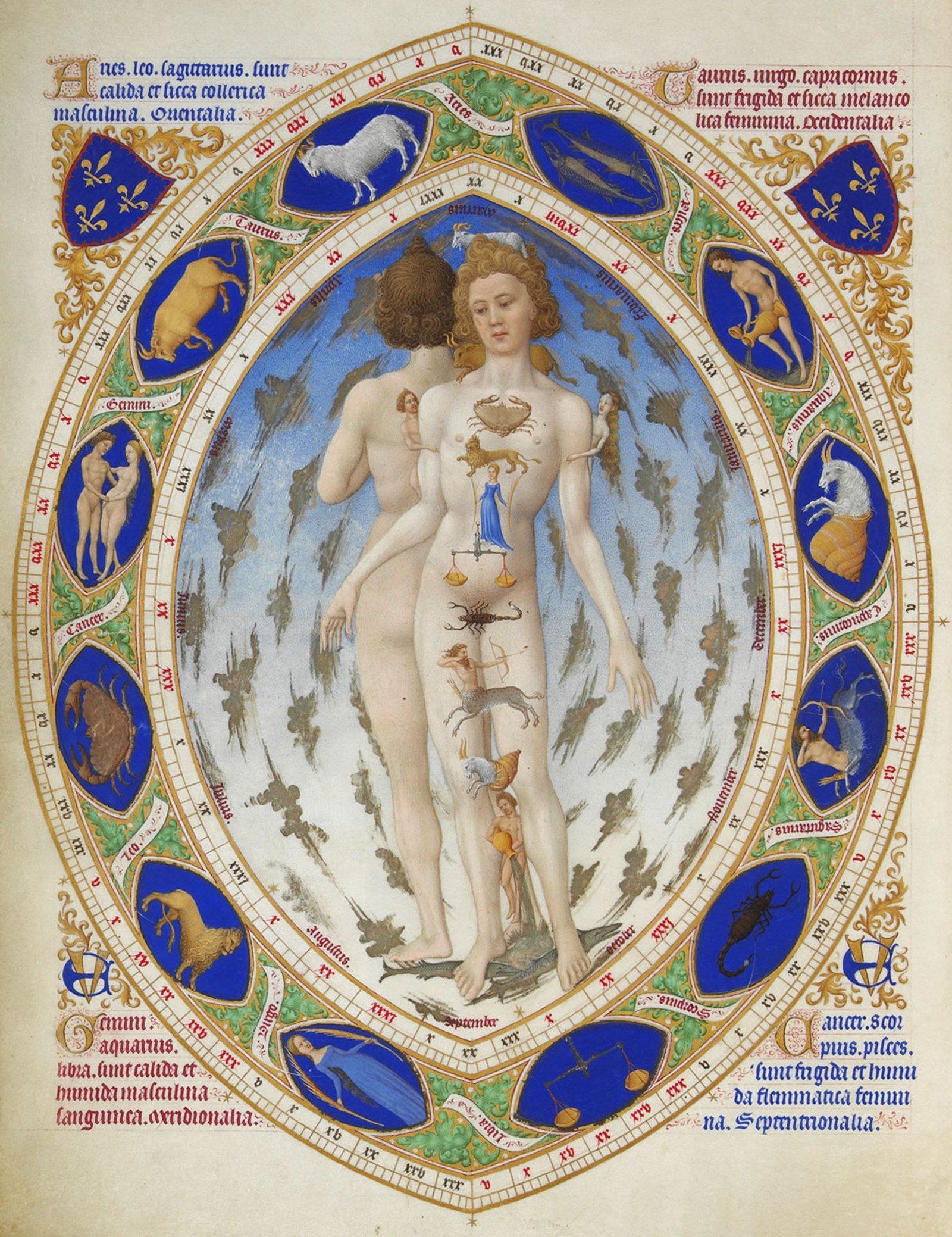
Every birth chart has a front door, and it opens in the first house. This is the slice of sky that was rising over the eastern horizon at the moment of birth, and it describes the part of you that other people meet first: your appearance, your manner, the way you walk into a room, the first words you say to a stranger. Psychologists talk about the difference between the self you experience from the inside and the self other people respond to. Astrology puts that difference on the map in the first house.
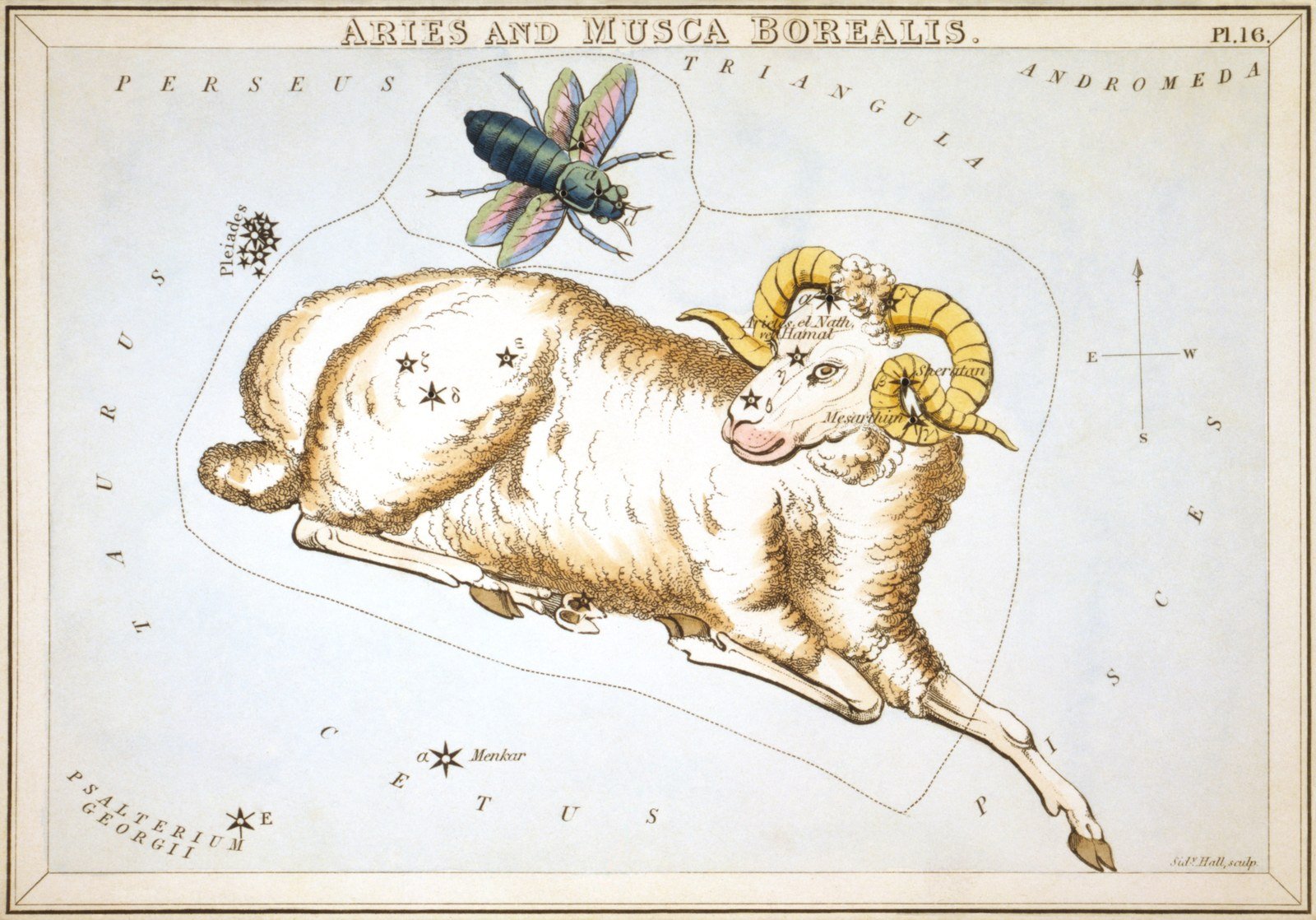
The sign on the first house cusp is the ascendant, often called the rising sign, and it colors the whole house. Aries rising tends to enter situations headfirst and speak plainly. Taurus rising tends to move more slowly and hold its ground. These are tendencies of presentation, not guarantees of character. Someone with a careful, watchful ascendant can still have a restless mind or a bold heart elsewhere in the chart. If the distinction between the ascendant and the Sun sign is new to you, the rising sign versus the Sun sign lays out which part of you each one describes.
The ascendant is a point; the house is the room
Beginners often treat the ascendant and the first house as the same thing, and they overlap, but the distinction is worth keeping. The ascendant is a single degree: the exact point of the zodiac rising at birth. The first house is the whole wedge of the chart that follows it, typically about thirty degrees wide. Planets can sit inside the first house without touching the ascendant degree, and their influence lands on self-image and presentation rather than on the rising sign itself.
This is also why birth time matters so much here. The ascendant moves roughly one degree every four minutes, which means a birth time off by fifteen minutes can shift the rising sign entirely in some charts. A chart calculated with a rounded or guessed time may give you the wrong first house, and everything read from it goes sideways. The stakes of that error are spelled out in what a fifteen-minute birth-time error changes.
How the first house reads in practice
Traditionally the first house covers the body and physical appearance, temperament, and the approach to new beginnings. In plain terms, it describes how you start things: whether you charge in, hang back and observe, test the water, or wait to be invited. It also describes the feedback loop of self-image, the running sense of how you believe you come across, which may or may not match how others actually experience you.
Planets in the first house press directly on identity. The Sun here often gives a strong sense of self and a need to be seen as oneself, without much editing. The Moon here makes emotional states visible; the face gives everything away. Mars here adds speed and directness to manner, sometimes read as impatience. Saturn here can describe reserve, a serious first impression, or a self-consciousness about appearance that eases with age. These are starting notes, not verdicts. A planet’s sign, its aspects, and the house ruler all modify the reading.
The chart ruler: where identity gets expressed
The planet that rules the ascendant’s sign is sometimes called the chart ruler, and it deserves as much attention as the rising sign itself. If you have Virgo rising, Mercury is your chart ruler. Wherever Mercury sits in your chart shows the territory where your sense of self does its main work. Mercury in the tenth would suggest an identity built around public standing and career. Mercury in the fourth would suggest the self is most itself in private, domestic ground.
This one technique often resolves the puzzle of people whose rising sign does not seem to fit them. A cautious Capricorn rising with a chart ruler in Sagittarius in the eleventh may read as reserved at first and unmistakably expansive once you know them. The rising sign is the doorway; the chart ruler shows which rooms the person actually lives in.

Reading your own first house
Pull up your chart and look at three things in order. First, the sign on the ascendant and its degree. Second, any planets in the first house and what they add to your manner. Third, the chart ruler: its sign, its house, and the aspects it makes. Then compare notes with reality. Ask someone who knew you before you knew them well what their first impression was. The gap between that answer and your own sense of yourself is the first house doing its job: it is the face you show the world, and like any face, it is both true and incomplete.
2 thoughts on “The First House: The Face You Show the World”