
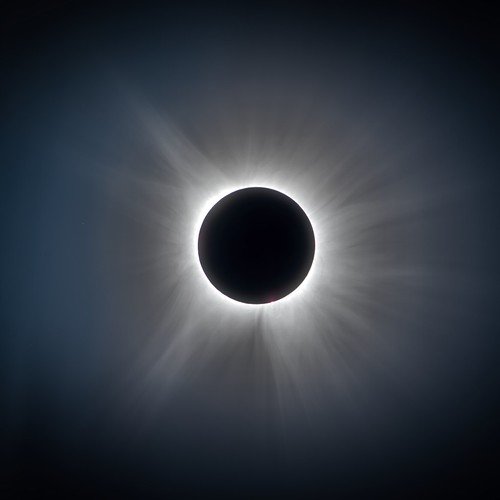
Twice a year, astrology content shifts into a different gear. Regular full moon posts get shelved, and suddenly everything is about eclipse season: warnings, rituals, big pronouncements about turning points. Eclipses get their own season for a concrete astronomical reason, and the astrology follows from it.
Why eclipses need a season at all
Eclipses are picky about geometry. The Moon’s orbit around Earth is tilted about five degrees relative to the plane of Earth’s orbit around the Sun. Most months, the new moon passes a little above or below the Sun, and the full moon misses Earth’s shadow the same way. No lineup, no eclipse.
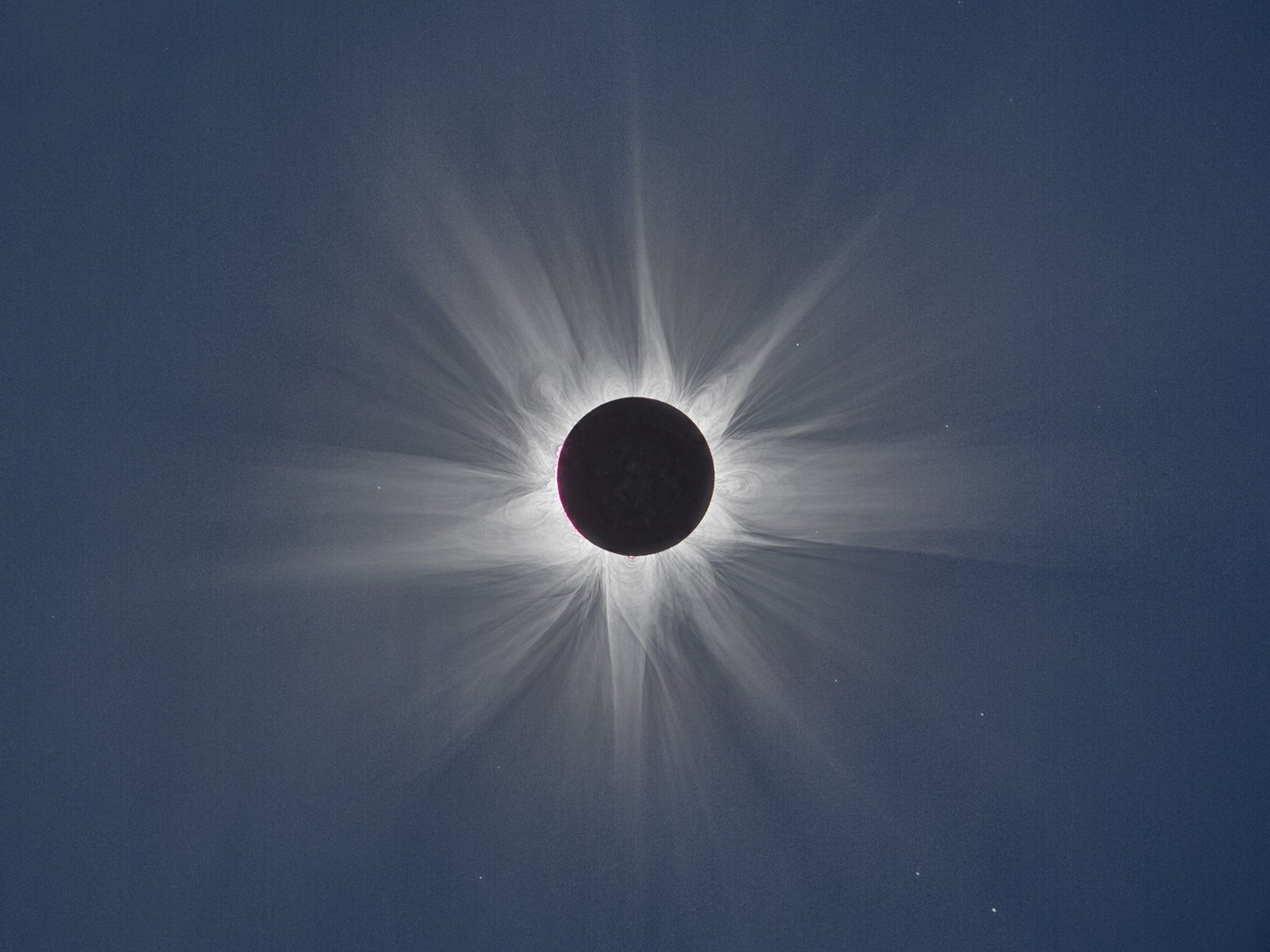
An eclipse can only happen when the Sun is near one of the lunar nodes, the two points where the Moon’s tilted orbit crosses the plane of Earth’s orbit. The Sun drifts past each node about twice a year, and each pass opens a window of roughly five weeks when the alignment is close enough for shadows to fall. That window is eclipse season.
The rhythm is steady. A full eclipse year, the time it takes the Sun to return to the same node, is about 346 days, so seasons arrive roughly every six months. Most seasons bring two eclipses, one solar and one lunar, about two weeks apart. Occasionally a season squeezes in a third. Nothing about this is rare or ominous. It is calendar math.
The two kinds, in plain terms
A solar eclipse happens at a new moon, when the Moon slides between Earth and the Sun and its shadow crosses part of the planet. From inside the shadow’s path, the Sun goes dark at midday. Total, annular (a ring of sunlight remains), or partial, depending on distances and alignment.
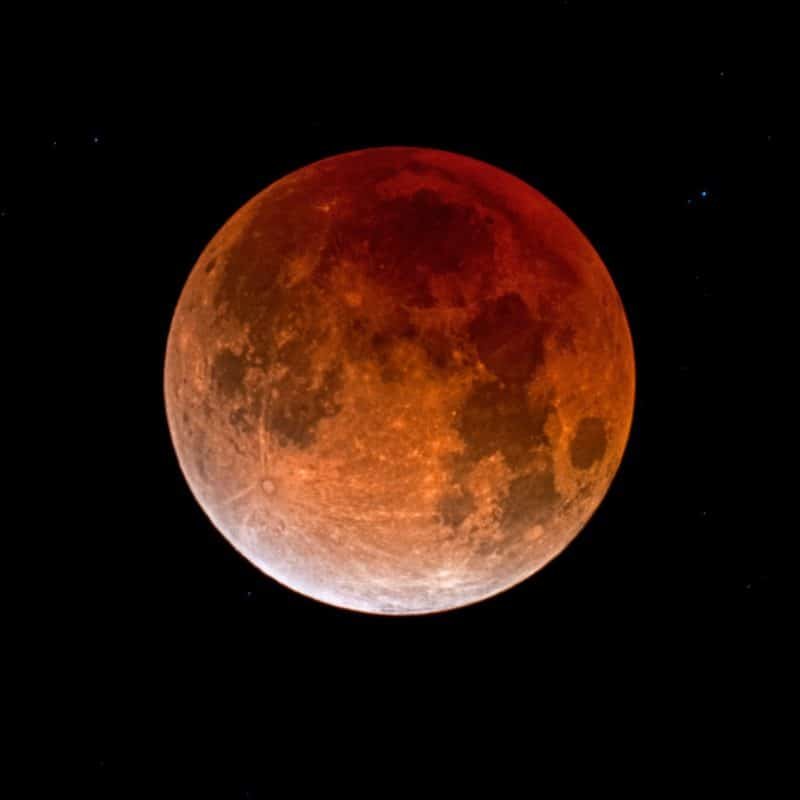
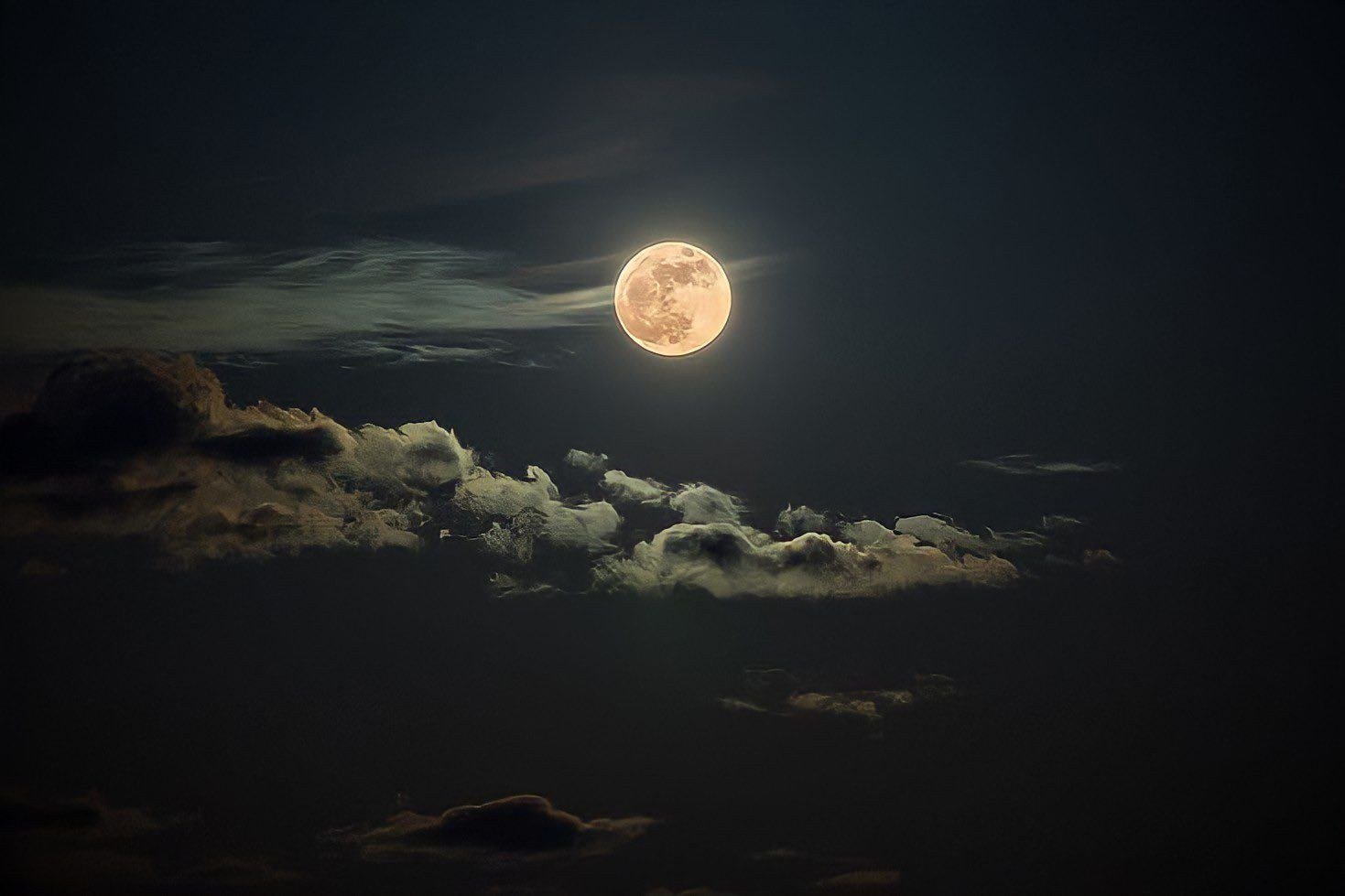
A lunar eclipse happens at a full moon, when Earth sits between the Sun and the Moon and the Moon drifts through Earth’s shadow. The Moon does not vanish. It turns the coppery red people call a blood moon, lit only by sunlight filtered through Earth’s atmosphere.
Notice the pairing with the monthly cycle: every solar eclipse is a new moon, every lunar eclipse is a full moon. That fact is the whole reason astrologers treat them the way they do.
Why astrologers pay attention
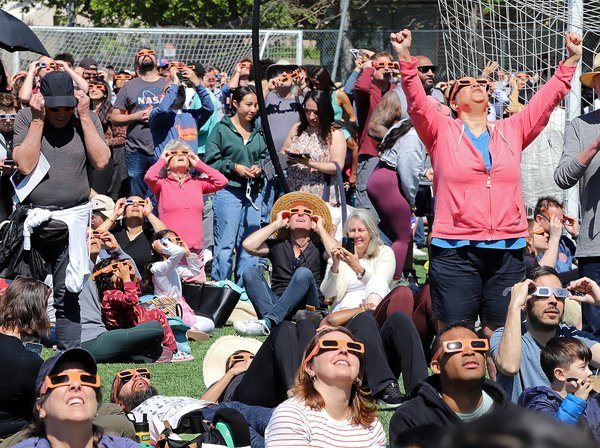
In astrological tradition, the new moon and full moon already have jobs. The new moon marks beginnings and intention-setting. The full moon marks culmination and review. An eclipse is read as the same kind of moment with the volume turned up: a new moon whose beginnings carry more weight, a full moon whose revelations land harder.
The node connection adds the second layer. Because eclipses only happen near the lunar nodes, and the nodes already carry meaning in astrology as points of pattern and growth, eclipse season gets read as a concentrated dose of whatever the current nodal axis is about. If the nodes sit in a pair of signs like Aries and Libra, the season’s eclipses are interpreted through themes of self and partnership.
This is interpretation, not measurement. Two astrologers can agree completely on the eclipse dates and disagree on what they signify. The astronomy is settled. The meaning is a reading tradition.

How readers actually use eclipse season
Strip away the dramatic posts and most people’s real eclipse-season practice is simple and quiet. They use the season the way they use the monthly moons, just with more attention:
- The solar eclipse (a new moon) becomes a check-in point. What is starting, what deserves a deliberate beginning? This is the same kind of reflection people do at any new moon, given a bigger frame.
- The lunar eclipse (a full moon) becomes a review point. What has come to light, what is finished, what needs releasing? Same territory as a regular full moon review, with the season’s themes attached.
- Between the two, people watch for the themes of the nodal axis showing up in ordinary life: the same argument recurring, the same decision resurfacing. Not as prophecy, but as a prompt to notice patterns.
None of this requires belief in anything supernatural. Used this way, eclipse season is a scheduling device: two fixed dates, six weeks apart, with an invitation to pay attention.
What to keep in perspective
A few grounding facts help. Eclipses are among the most predictable events in astronomy. Every eclipse for the next thousand years is already calculated. There is no randomness for the universe to hide a surprise in.
They are also frequent. Between two and seven eclipses happen every year, and you have lived through dozens of eclipse seasons already. If eclipses truly overturned lives on schedule, the pattern would be obvious by now.
The calmer reading is this: eclipse season is real, regular, and worth noticing, because the sky is doing something genuinely unusual and the old tradition gives you a framework for reflecting on it. It is not a cosmic emergency. The Sun will come back out from behind the Moon in a few minutes, same as always. What you do with the attention the season asks for is up to you.