

Ask an astrologer what it means to be born under a full moon and you will hear stories: stronger feelings, a pull toward other people, a life lived a little louder. Ask about a new moon birth and the story turns inward: quiet starts, self-reliance, a habit of beginning things from nothing. Both stories come from the same source, the Moon’s monthly cycle. Both deserve a closer look before you treat them as fact.
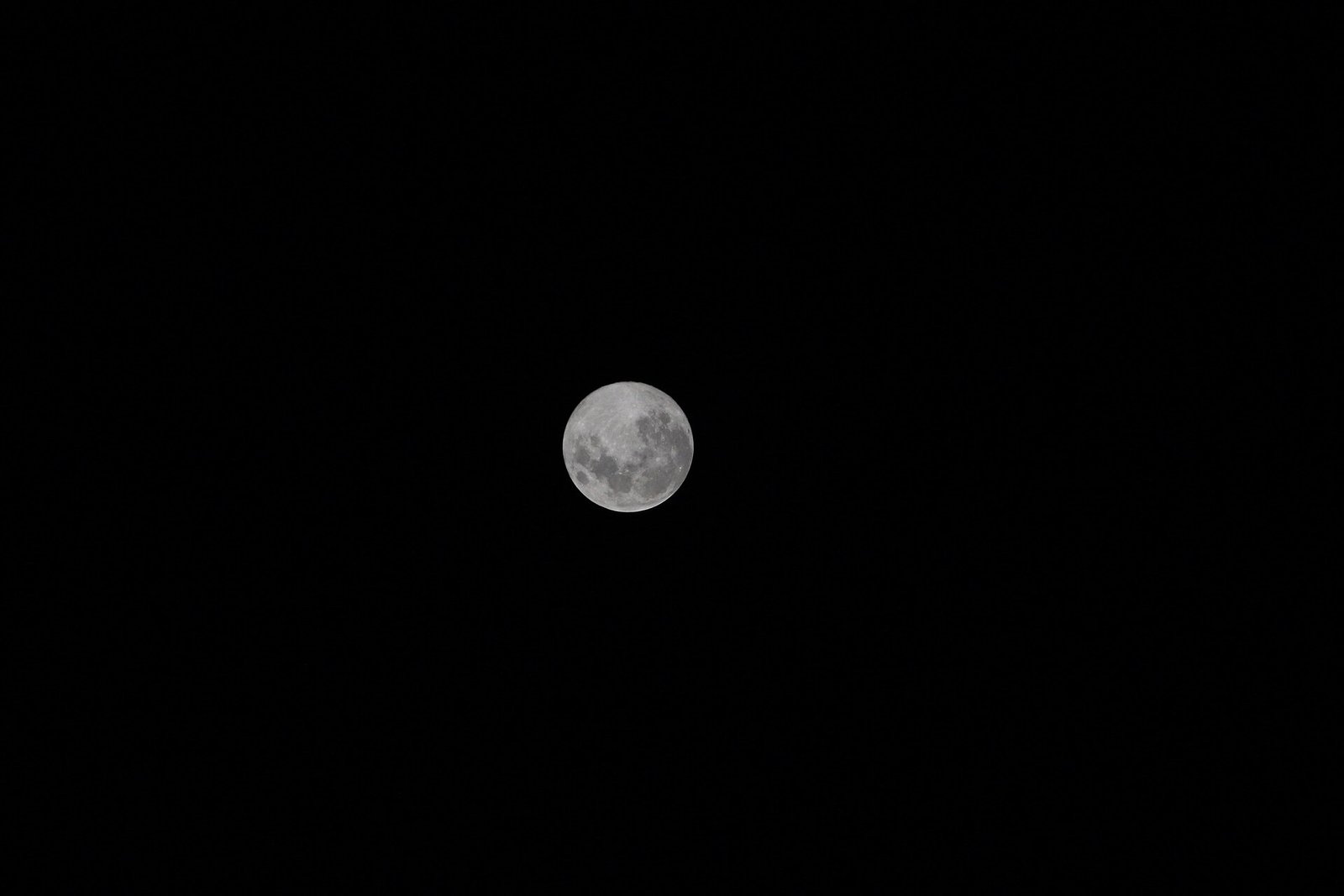
Astronomy first. A full moon happens when the Moon sits opposite the Sun from Earth’s point of view, so we see its fully lit face. A new moon happens when the Moon passes between Earth and the Sun, so the lit side faces away from us and the night sky goes dark. The cycle takes about 29.5 days. That means every person alive was born under some phase of it, and the phase keeps cycling for everyone, not only for people born near a full or new moon.

Where the lore comes from
The idea that your birth phase describes your temperament comes from a tradition of dividing the lunar month into eight phases: new, crescent, first quarter, gibbous, full, disseminating, last quarter, and balsamic. Astrologer Dane Rudhyar laid out this eight-phase system in his 1967 book The Lunation Cycle, and working astrologers have used it ever since as a layer of interpretation on top of the birth chart.
In this system, a full moon birth means the Sun and Moon stood opposite each other in your chart, an opposition. The lore describes people born then as outward-facing: they learn through relationships, they notice what other people need, and they tend to process feelings out loud rather than alone. A new moon birth means the Sun and Moon stood together in your chart, a conjunction. The lore describes the opposite pattern: inward-turning, instinctive, comfortable starting fresh, sometimes so self-reliant that asking for help feels unnatural.

Between the two sit the other six phases, each with its own short description. A crescent moon birth, in this tradition, belongs to someone who pushes past old patterns. A first quarter birth belongs to someone who builds and acts. A gibbous birth belongs to someone who refines. The disseminating phase belongs to the teacher and sharer. The last quarter belongs to the reformer who clears out what no longer works. The balsamic phase belongs to the quiet closer of cycles. Whether any of this fits you is for you to judge against your own life, not for the phase to decide.
What the phase actually tells you
Here is the honest version. Your birth moon phase is one geometric fact about the sky on the day you were born: the angular distance between the Sun and the Moon. There is no measured mechanism by which moonlight on your birthday shapes your personality, and no peer-reviewed study supports that claim. What the phase does give you, inside astrology’s own framework, is a compact description of the Sun-Moon relationship in your chart, and the Sun-Moon relationship is something astrologers already read closely, since it pairs your conscious drive with your emotional responses.
That distinction matters. If you want to understand your Moon, the sign it sits in and the house it occupies carry more specific information than the phase alone. The phase adds flavor, not foundation. A full moon in a reserved sign does not cancel the reserve, and a new moon in a social sign does not cancel the sociability. If you are still learning how the Moon’s phase differs from its sign, our explainer on moon phase vs moon sign walks through the difference with examples.
How people actually use it
Working astrologers tend to use the birth phase in two practical ways. First, as a quick read of the Sun-Moon dynamic during a consultation: opposition suggests tension between self and others that gets resolved through relationships, conjunction suggests the two blend into a single instinctive drive. Second, as a timing tool: people born near a full moon sometimes pay closer attention to full moons as moments of culmination, and people born near a new moon treat new moons as personal reset points.

The second use is the one you can test yourself. For one month, note the new moon date and spend ten minutes writing down what you want to start. Note the full moon two weeks later and write down what came to a head. If you want a structure for the first half of that experiment, try our new moon reflection check-in. After three or four cycles you will have your own data on whether the rhythm means anything to you, which is more useful than any general description.
So does it matter?
As astronomy, your birth phase is a calendar fact: the Moon was at a certain point in its cycle when you were born, as it is at a certain point today. As astrology, it is one lens among many, and a narrow one. It will not override your Moon’s sign, its house, or its aspects, and it will not predict your life.
Where it can matter is as a prompt. The full moon story asks: do you learn who you are through other people? The new moon story asks: do you do your best work starting from a blank page? Those are good questions regardless of when you were born. If the phase you were born under hands you one of them at the right moment, it has done its job. Everything else in the chart still has to be read the long way.