
One card, one day. The daily draw is the smallest tarot habit there is: pull a single card, sit with it for a minute, get on with your day. Its strength is that it asks almost nothing of you. Its weakness is the same. With no structure, the card becomes decoration, glanced at and forgotten by lunch. Two ways of using it fix that: the morning intention and the evening review.
The morning intention
Draw before the day starts, with one question: what deserves my attention today? Read the card as a theme, not a forecast. The Eight of Wands does not mean your day will be hectic. It suggests a day of fast messages and quick decisions, so your intention might be to answer the email you have been avoiding instead of letting it chase you.

The practice is three steps. Shuffle briefly, draw one card, and write a single sentence about what it points to. That sentence is the whole thing. “Today I will handle the small tasks before they pile up.” Then close the deck and start your day. The card works as a lens, not an instruction. You will notice the theme showing up because you decided to look for it, and that noticing is the practice.

The evening review
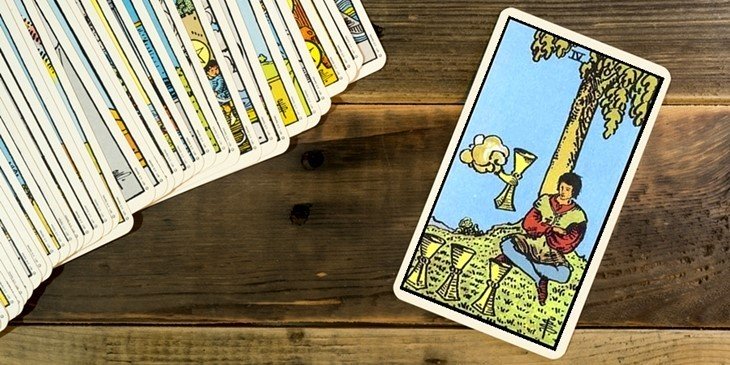
Draw at night, with a different question: what did today teach me? This time you compare the card against the day you actually had. Say you draw the Four of Cups. You think back and realize you turned down an invitation at lunch, felt relief instead of guilt, and never examined why. The card names the mood you already felt. The review turns a vague day into something legible.

The steps mirror the morning version. Draw one card, write two or three lines about where you saw it in your day, and note where you did not. The misses matter as much as the hits. A card that had nothing to do with your day is information too: it tells you what you were braced for that never arrived. Over a month, these notes become a quiet record of your patterns.
Which one should you do
Morning suits people who like a plan. Evening suits people who like to reflect. Doing both is fine, and the same card rarely serves both jobs well, so draw fresh each time. If daily feels like too much, that is worth listening to. How often should you read tarot helps you find a rhythm you will actually keep, because a weekly draw you do beats a daily draw you abandon by Thursday.
Pair it with three minutes of writing
A card plus a few written lines is a complete practice. The writing is what converts a glance into reflection, and it does not need to be good. Date, card name, one sentence. If you want a shape for those three minutes, the 3-minute daily tarot and astrology reflection gives the habit a simple frame you can reuse every day.

When the card makes no sense
Some days the card lands flat. You draw the Tower on a perfectly ordinary Tuesday and feel nothing. That is normal, and it is not a failed draw. Write down the card and the one word it gave you, even if the word is “nothing.” Blank days teach you as much as vivid ones: they show you what an ordinary day looks like from the inside, and they keep the habit honest. Never redraw because you did not like the card. The practice is sitting with what came up, not shopping for a better one.
A single card will not change your day. Paying attention for one minute might. Pick the version that fits your life, keep the notebook where you will see it, and let the habit stay small. Small is why it works.