

In a birth chart, the 10th house covers career, public standing, and the work a person is known for. Saturn is the planet linked with structure, duty, limits, and work done over time. When Saturn sits in the 10th house, career tends to grow slowly and through tests. Early progress may feel delayed, promotions may come later than peers, and standing may be earned step by step rather than given at the start. The placement does not block a career. It shapes how a career is built.
The 10th house also covers the public face of a life: reputation, responsibility, and the role others expect the person to fill. A person with Saturn here may feel that weight early, through a strict boss, a family expectation, or a field with high standards. That pressure can feel heavy in youth and steadier with age, as skills and proof of work accumulate. The chart describes a tendency, not a fixed fate, and the rest of the chart shapes how it plays out.
How it shows in daily life
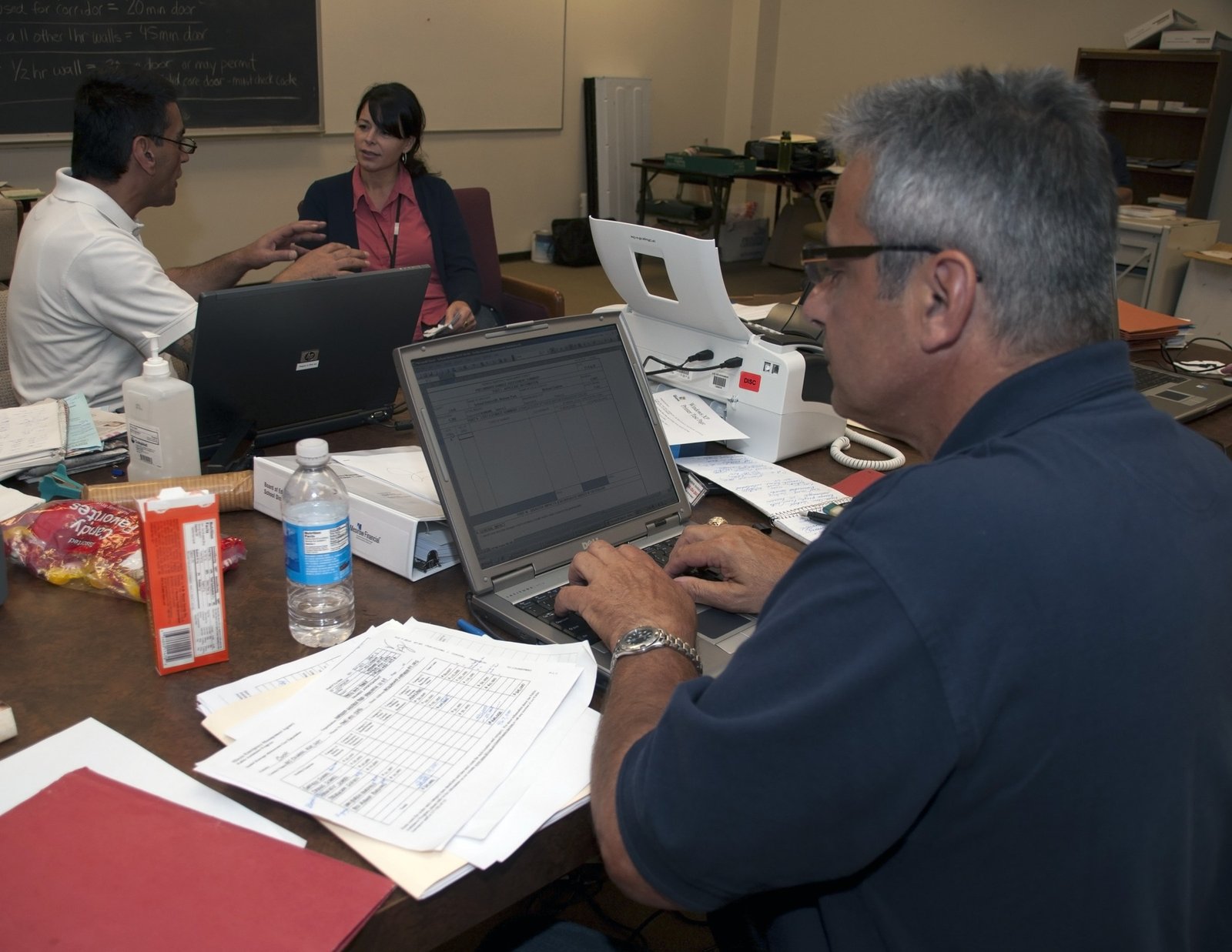
In daily life, this placement often shows as a serious approach to work. The person may arrive early, finish tasks fully, and take responsibility that others avoid. Managers may rely on them, and colleagues may see them as steady rather than flashy. That steadiness can be a real asset, but it can also hide the person, because quiet, reliable work does not always get noticed in a loud workplace.
It can also show as a long view of career. The person may choose a field that takes years to master, such as law, medicine, teaching, engineering, or a skilled trade. Shortcuts may feel wrong, and the person may prefer to learn the craft properly before claiming a title. Progress may look slow from outside, while inside the person is building a base that lasts. Readers new to chart reading can start with how to read a birth chart in ten minutes, which explains houses and planets in plain terms.
Duty and standing

Duty often carries extra weight with Saturn in the 10th house. A parent, a teacher, or a boss may have set a high bar, and the person may carry that bar into adult work. That can produce strong results, but it can also produce a habit of measuring worth by output alone. A career built only on duty can feel thin, even when it looks successful from outside. The placement works better when duty is paired with a field the person actually values, so the long effort has a reason beyond approval.
Standing matters here too. Reputation grows slowly with this placement, and it tends to rest on proof: completed projects, kept promises, and years of steady work. A single success rarely changes the picture overnight. Over time, though, that slow reputation can become solid, because it rests on a record rather than a moment. People may trust the person with larger tasks precisely because the record shows they finish what they start.
When the placement feels hard

The harder edge of this placement is fear of failure in public. A person may avoid applying for a larger role, delay publishing work, or stay in a safe job long after it stops fitting. The fear is rarely about skill. It is about being judged, and Saturn in the 10th house can make judgement feel larger than it is. A missed promotion can feel like a verdict on worth, rather than a normal step in a long career.
Another harder edge is overwork. The person may take on extra hours, extra projects, and extra blame, believing that more effort will finally earn standing. Effort helps, but effort without rest and without a clear direction burns out even steady workers. The placement works better when work has limits: a finish time, a day off, and a line between a job and a life. For the wider house system, angular, succedent, and cadent houses explained places the 10th house among the angular houses, where public life is most visible.
The common misread
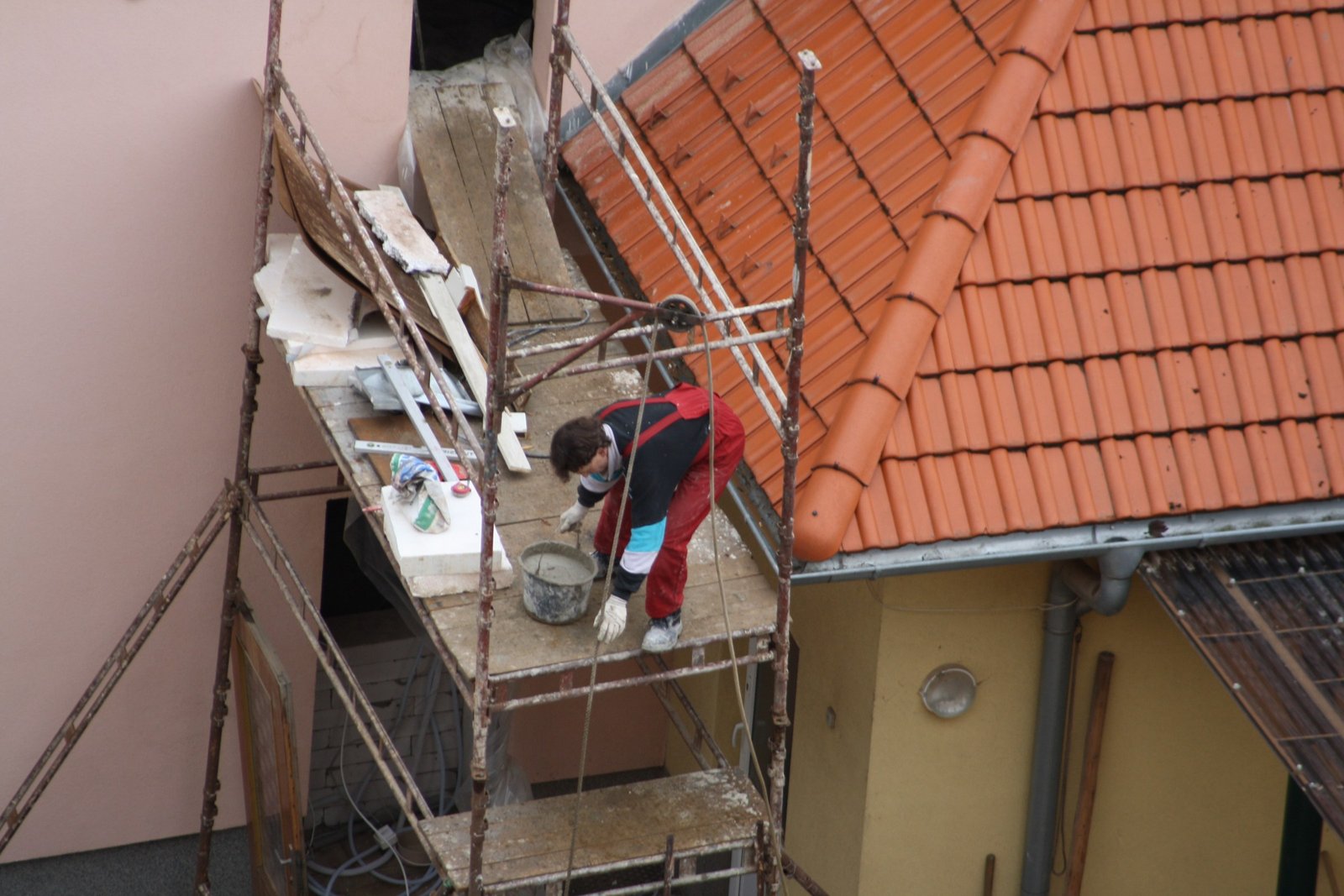
The common misread of Saturn in the 10th house is treating a slow start as a blocked career. Astrology describes themes and timing tendencies, not a verdict on success. A slow early career may reflect a long training, a field with late entry, or a person who needed time to find the right fit. Many people with this placement build their strongest standing in midlife or later, when the early tests have turned into skill and proof.
Reading it as doom also misses the steadier side. Tests in a career can teach patience, craft, and judgement in a way that fast success rarely does. A person who passed through delays often knows how to handle setbacks, lead a team through a hard patch, and keep a project alive when others quit. Those skills are part of the placement, not a consolation for it.
Saturn in the 10th house, read with care, points to a simple idea: a career built slowly, through duty and tests, can stand firm. The career may grow in a strict field, a skilled trade, or a public role, and the pace may frustrate the person along the way. The chart does not promise a title or a date. It marks public work as the place where patience pays, and leaves the shape of that work to the life lived in it.