

Retirement changes more than a daily schedule. It changes the people seen each day, the sense of purpose that work gave, and the shape of a week. A spread for this change needs to cover both sides: what is ending and what can begin. The five-card spread below does that work in order. It starts with work, moves through what to keep and what to release, and ends with the rhythm and chapter that follow.
Shuffle with a question such as what this retirement asks of me. Lay five cards in a row, left to right, and read the row as one story. The first two cards look back. The middle card marks the turn. The last two cards look forward. Reading the row in that order keeps the spread honest, because the future cards only make sense once the past cards have been named plainly.
The five positions

The first card is what work gave. It names a skill, a pride, a friendship, or a habit that the working years built. The second card is what to keep, the part of that working life worth carrying into retirement on purpose. The third card is what to release, the pressure, routine, or role that no longer fits. The fourth card is a new rhythm, a way of shaping days that replaces the old work clock. The fifth card is the next chapter, the wider direction the years ahead may take.
Keep each position separate while reading. The first card is not a verdict on a whole career. It names one gift from it. The third card is not a complaint about work. It names one weight that can now be set down. When the positions stay separate, the spread avoids turning into a simple good-versus-bad judgement of a working life, and it gives the reader five distinct things to think about instead of one vague feeling.
An example reading
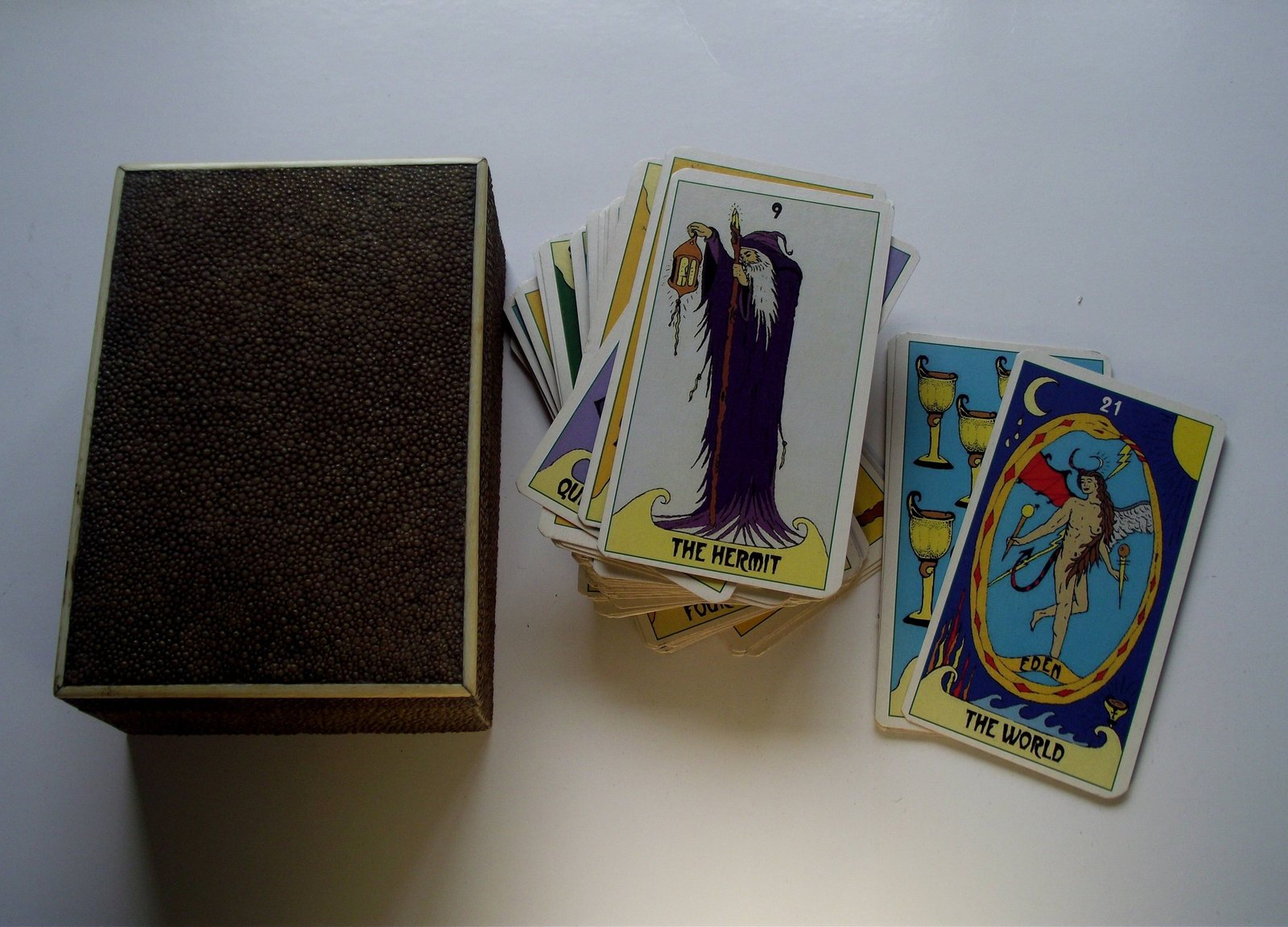
Imagine the row reads like this. The first card is the Eight of Pentacles, which points to years of careful craft and a pride in work done well. The second card is the Six of Cups, which points to work friendships and shared memories worth keeping close. The third card is the Ten of Wands, which points to a load of responsibility that grew heavy in the final years. The fourth card is the Hermit, which points to a slower rhythm with time for reading, walking, and thought. The fifth card is the World, which points to a chapter that feels complete and open at the same time.
Read together, the row tells a clear story. The reader leaves a craft they mastered, keeps the people who made it worthwhile, sets down a load that no longer fits, and moves toward days shaped by choice rather than by a clock. The practical advice is plain: protect the friendships, plan a daily walk or study hour, and do not rush to fill every hour with new duties. For readers learning how cards form a story, reading a tarot spread as a story shows how a row of cards becomes a single narrative.
How to use the spread
Write the five cards down with one action beside each. Beside the keep card, write one way to keep that part of life alive, such as a weekly lunch with former colleagues. Beside the release card, write one thing to stop doing, such as checking work email out of habit. Beside the rhythm card, write a simple daily shape, such as mornings for projects and afternoons for rest. Small actions like these turn a reading into a plan that survives the first unstructured weeks.
The spread also helps when retirement feels flat a few months in. Lay it again and compare the new row with the first. A new card in the rhythm position may name a routine that has started to work. A card in the next-chapter position may point to a project, a class, or a volunteer role that was not visible at first. The upright and reversed meanings of each card matter here, and what changes when a card is reversed explains how a reversed card shifts a reading without flipping its meaning.
The misread to avoid
The common misread here is treating retirement as an ending, and reading the spread as a farewell. A card such as Death in the release position does not mean an ending in the grim sense. It means a change of form, a role closing so another can open. A card such as the Tower in the rhythm position does not mean disaster. It means the old daily shape will break apart before a new one forms, which is normal in the first months after work ends.
A second misread is reading the next-chapter card as a job to find. Retirement does not have to replace work with work. The next chapter can be a garden, a grandchild, a study subject, a walking group, or a quieter life lived well. When the final card is read as a duty, the spread adds pressure to a life that just set pressure down. Read it as a direction, and let the reader choose the pace.
Used with those limits, the spread gives retirement its full shape. It honors what work gave, keeps what still matters, releases what grew heavy, and points toward days shaped by choice. The reader still builds the chapter ahead, one week at a time, and the cards simply help name what that chapter could hold.