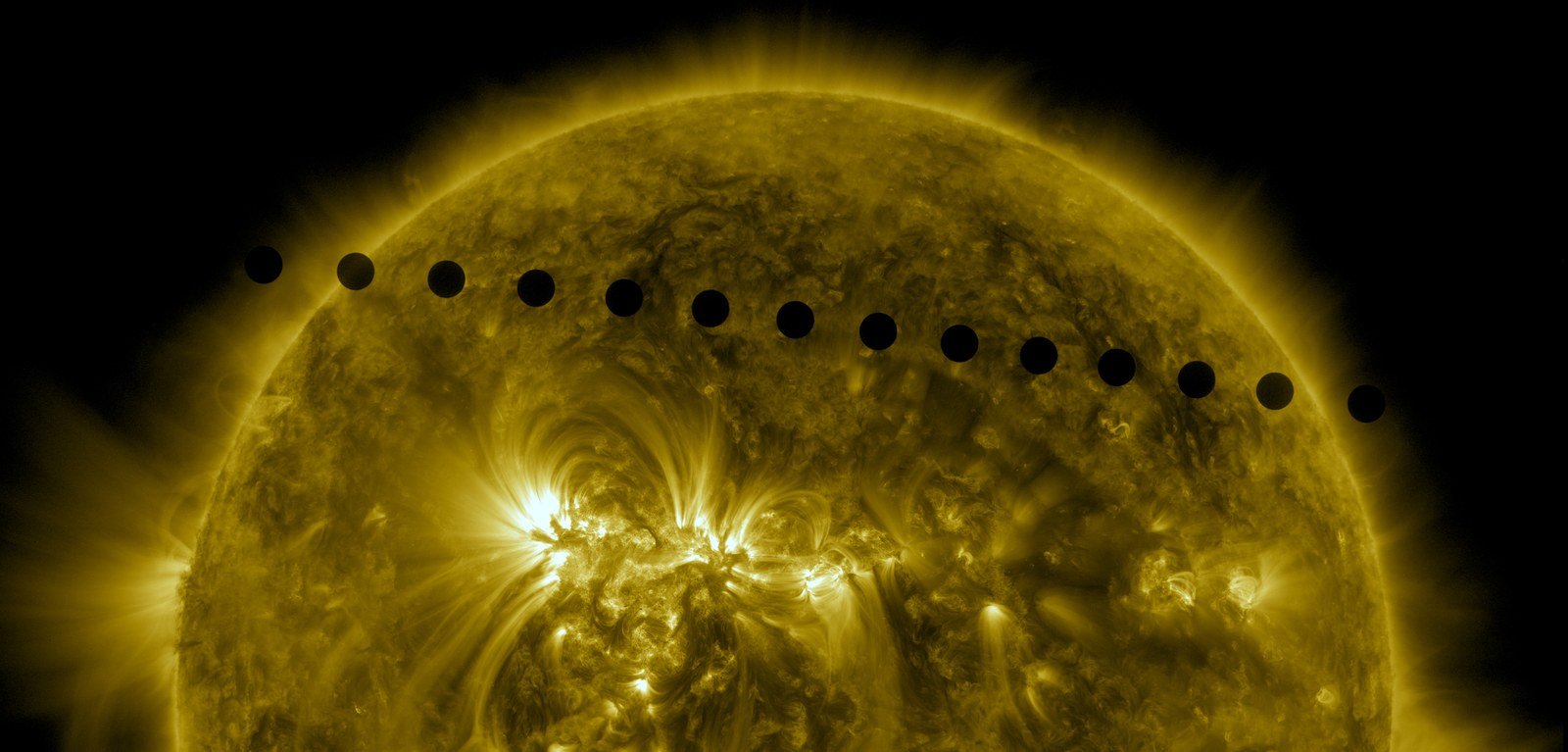
Most people have heard of the Saturn return, the famous twenty-nine-year reckoning. Fewer know that Venus has its own return, a quieter rhythm that repeats roughly every eight years and speaks to love, money, and what you value. A Venus return happens when transiting Venus comes back to the exact degree and sign it occupied at your birth. It is a useful checkpoint for taking stock of relationships and finances, and it works very differently from the cycle Venus is most famous for.
How the eight-year cycle works
Venus circles the Sun faster than Earth does, and from our viewpoint it laps us in a pattern that repeats every eight years. Five Venus cycles of morning star to evening star fit into eight Earth years almost exactly, tracing the famous five-pointed pattern astronomers call the rose of Venus. “Almost” is doing real work in that sentence: each eight-year round comes up about two days short, so every Venus return lands roughly two days earlier on the calendar than the one before it.
The mechanics are simple. Find natal Venus in your birth chart, its sign and degree. When Venus in the sky returns to that same point, making an exact conjunction to your natal Venus, that is your Venus return. Unlike a birthday, which you can read off a calendar, a Venus return needs an ephemeris or chart software to pin down, because Venus does not keep tidy annual appointments. Read our guide to reading Venus by sign and house if you want to locate your natal placement first.
What a venus return tends to mark
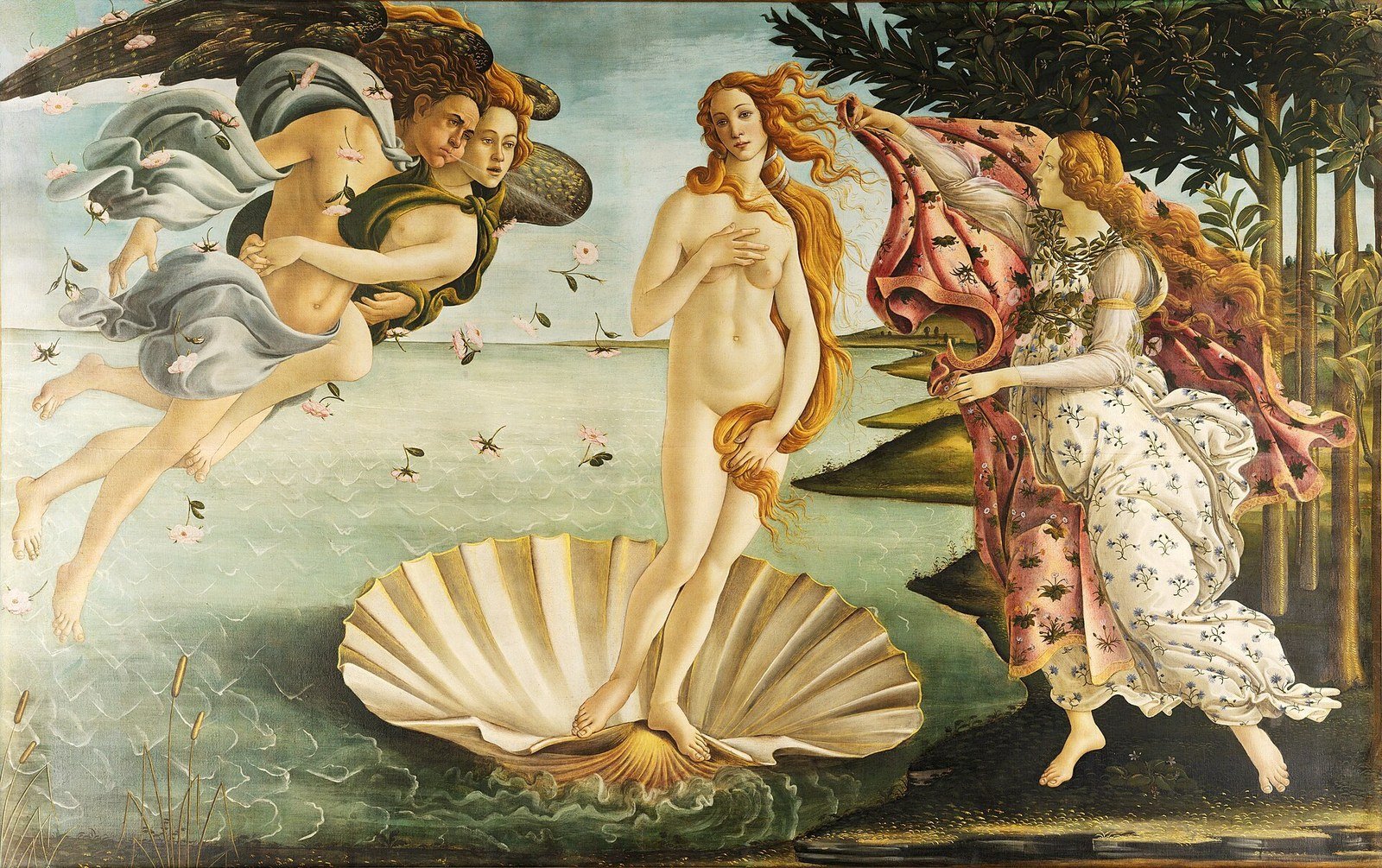
Venus governs affection, attraction, pleasure, and resources, so its returns tend to coincide with stock-taking in those departments. People often notice a relationship entering a new phase around a Venus return: a dating pattern becoming obvious, a partnership getting more serious or more honest, a long stretch of singlehood starting to feel like a choice rather than a circumstance. On the money side, it is a natural moment to look at spending habits, saving patterns, and whether your budget reflects what you claim to care about.
None of this arrives as an event the way a transit sometimes does. A Venus return is better understood as a season of attention, a few weeks where themes of love and money sit closer to the surface. The value is in the review it prompts, not in anything Venus “does” to you. If the eight-year rhythm appeals to you, you may also like the gentler yearly version, the solar return, which marks each birthday as its own annual checkpoint.
Not the same as venus retrograde
This deserves a clear line, because the two get mixed up. Venus retrograde is the roughly six-week period, every eighteen months or so, when Venus appears to move backward from Earth’s perspective, and it is famous for stirring up ex-partners, old feelings, and second thoughts about purchases. We cover it in detail in our piece on what Venus retrograde affects. A Venus return is a different animal entirely: a precise conjunction to your natal Venus, once every eight years, with no backward motion involved.
The confusion is understandable since both involve Venus and both invite relationship review. The practical difference is cadence. Retrogrades are frequent weather, worth a recurring note in your calendar. A return is a milestone, worth a longer look back at the last eight years and a deliberate look forward at the next eight. You can have many retrogrades between returns, and each one is just passing weather on the longer road.
How to observe your own venus return
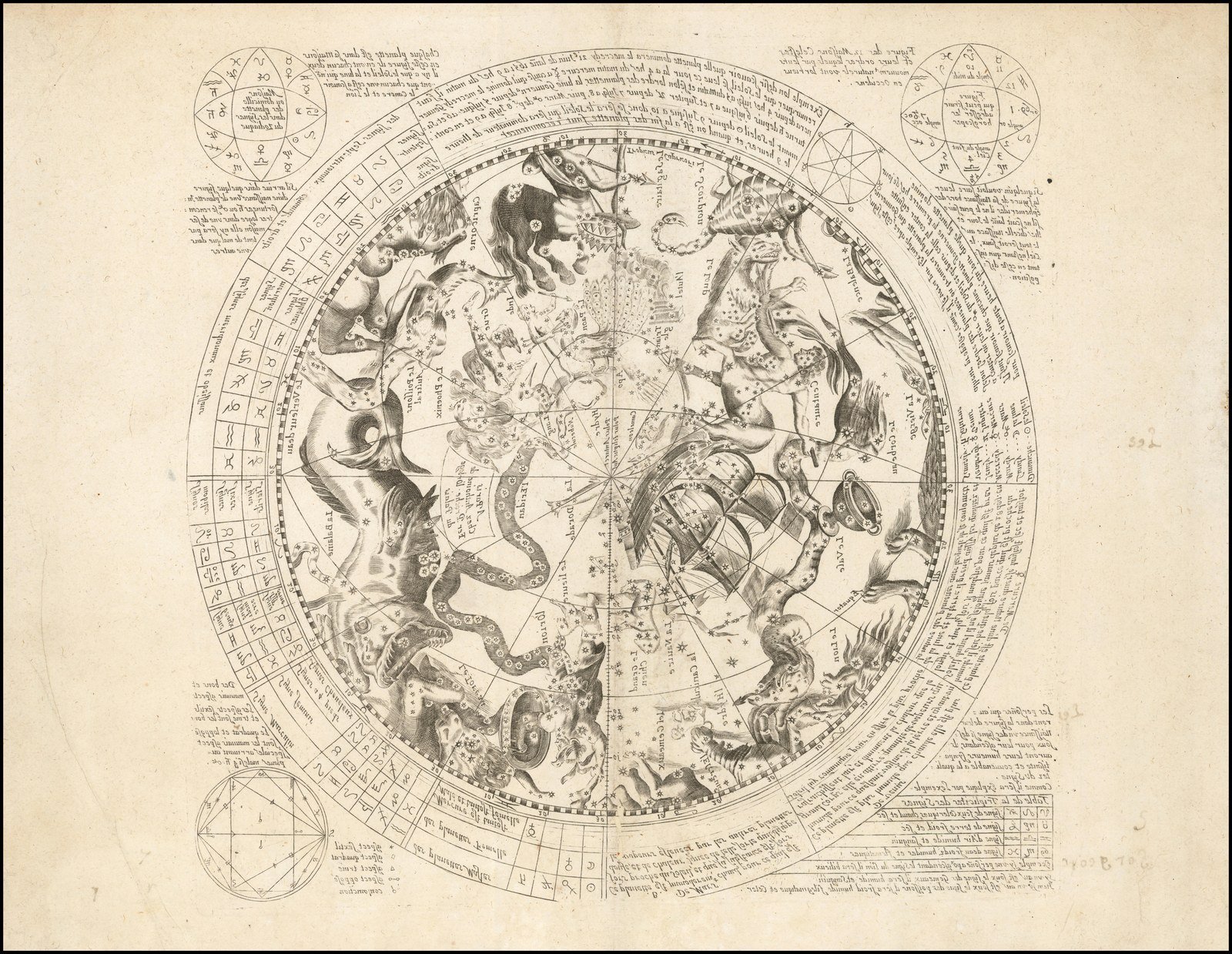
Start with the date. Any astrology software or ephemeris can show you when transiting Venus will conjoin your natal Venus exactly; give or take a day or two is fine for a personal review, since the point is reflection, not precision timing. Mark the week around it.
Then do the actual work, which is gloriously low-tech. Write down where your love life and finances stood eight years ago, at the last return, and where they stand now. What repeated? What did you finally stop tolerating? What did you start allowing yourself to want? The eight-year frame is long enough that real patterns show up, the kind you cannot see in a monthly budget review or a post-breakup debrief.
A few readers like to draw a single tarot card on the return as a theme for the next eight years. That is optional. The return itself is the ritual: one planet, back where it started, asking whether you are too.
Returns as a family
Venus is not the only planet with a return worth watching. Jupiter returns every twelve years with its own flavor of expansion, and the Saturn return needs no introduction. Each return marks the moment a planet comes home to its birth position and invites you to measure how far you have come since the last visit. Venus just happens to ask the most personal questions: who do you love, what do you want, and does your life show it? If you are new to the concept, our Saturn return guide is a good companion read, since it covers the general logic of planetary returns in more depth.