
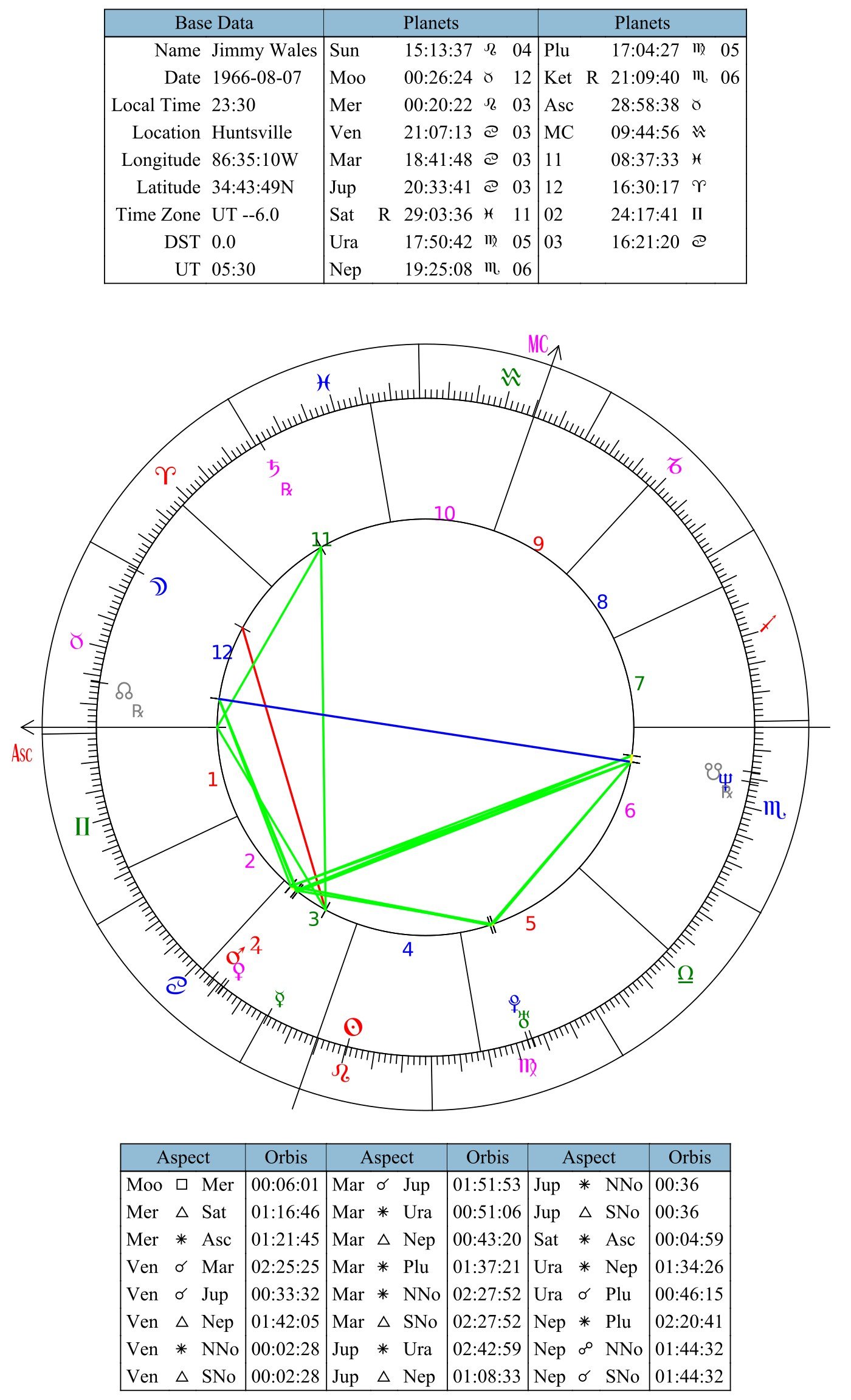
The yod has a dramatic nickname, the “finger of God,” and like most dramatic nicknames in astrology it promises more mystery than the thing itself contains. A yod is an aspect pattern: a specific triangle formed by three planets in a birth chart. Two of the planets each form a quincunx, a 150-degree aspect, with a third planet, and those same two planets form a sextile, a 60-degree aspect, with each other. The third planet, the one receiving both quincunxes, is called the apex. That is the whole definition. Everything else is interpretation.
If aspects in general are still new to you, start with the comparison of conjunction, trine, and square, which covers the major aspects one by one.
The geometry, simply put
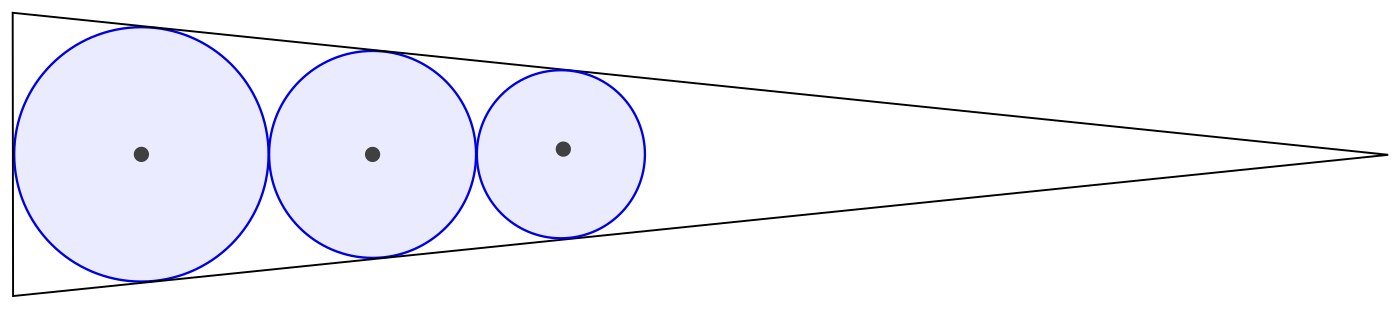
Picture a long, thin triangle. At the bottom two corners sit planets about 60 degrees apart, the sextile. At the top, the apex planet sits roughly 150 degrees from each of them, the two quincunxes. The shape is narrow because 150 degrees is most of the way around the wheel: the apex faces a pair that are relatively close together, far away across the chart.
The sextile is traditionally an easy aspect, two planets that can work together. The quincunx is the awkward one: 150 degrees does not divide neatly into the wheel, and the two planets involved sit in signs that share neither element nor quality. They have, in a sense, nothing to talk about. The yod’s tension comes from this combination. Two planets that cooperate with each other both demand adjustment from a third that speaks neither of their languages. What an aspect adds to a placement explains how these relationships modify the planets involved.
How to spot one in a chart
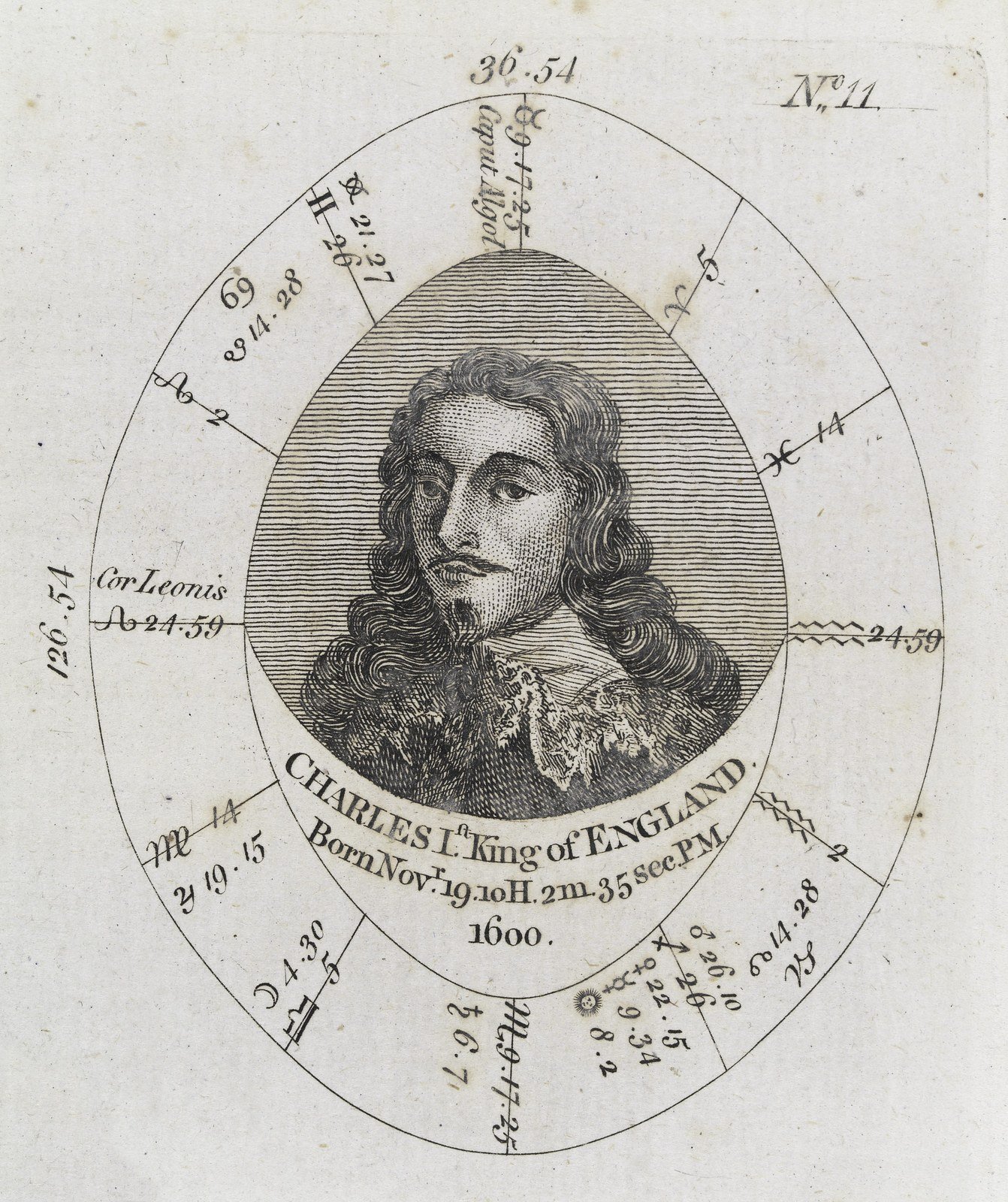
Look for the long thin triangle among the aspect lines. In practice, check the numbers rather than eyeballing the shape. The two quincunxes are usually given an orb, a margin of error, of about two to three degrees, and the sextile about three to four. Wider than that and most astrologers will not count it. The apex is the planet at the narrow end, the one with two 150-degree lines converging on it.
A few patterns turn up often. Yods frequently involve slow-moving outer planets at the base, with a personal planet, often the Sun, Moon, Mercury, or Mars, at the apex. That arrangement reads as generational forces pressing on one area of personal life. Double yods and yods involving the lunar nodes also appear, though they are rarer. What matters in every case is the same structure: two that agree, one that must adjust.
What the apex means
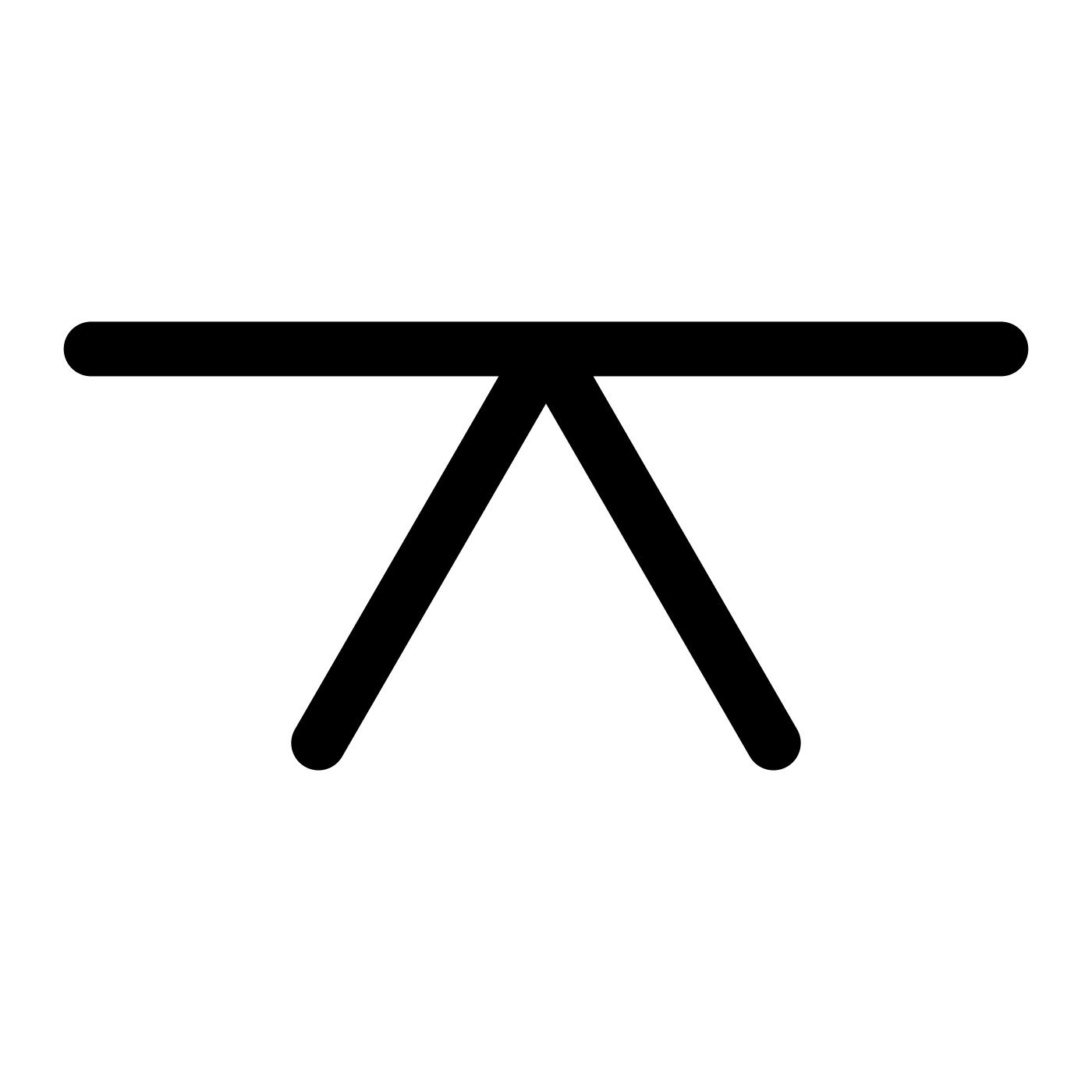
The apex planet is the focal point of the pattern. It is the part of the chart that keeps being asked to adapt, to translate between two energies that do not naturally combine. In the house where the apex sits, life tends to present situations that require ongoing adjustment rather than one-time decisions. A person with an apex Venus in the seventh house, for example, may find that relationships repeatedly ask them to reconcile incompatible needs: their own and a partner’s, or two partners’ pulls in different directions. The adjustment is never finished; it is the work itself.
This is why the “finger of God” nickname misleads. It suggests a singled-out destiny, a person marked for something. What the pattern actually describes is much more ordinary and much more useful: a built-in tension that keeps demanding conscious handling. It does not point to a fate. It points to a lifelong homework assignment.
Reading it without fatalism
A yod is not a verdict. It does not predict events, mark anyone as chosen, or guarantee a particular outcome. Treating it that way turns a descriptive tool into a story about doom or specialness, and both distortions do the same damage: they take the person’s own judgment out of the picture. The grounded reading is simpler. Here is a tension that will keep recurring. Here is where it lives. Here are the two sides that need reconciling. What you do with that information is still up to you.
One more caution applies. Yods are uncommon, but they are not as rare as their reputation suggests, and loose orbs can conjure them where none exists. Before building a reading around one, confirm the orbs are tight and the pattern is exact. A chart full of wide-orb almost-yods is a chart with no yod at all. Precision here is a kindness to the person being read for.
An illustrative example
Consider a made-up chart with Saturn and Pluto sextile each other at the base and the Moon at the apex in the fourth house. The base pair suggests a generation shaped by institutional pressure and deep change. The apex Moon in the house of home and family suggests the person keeps being asked to absorb those pressures privately, adjusting the household around forces they did not choose. The reading is not “this will happen.” It is “when the pressure comes, this is where you will feel it, and the work is to keep adjusting without pretending the pressure is not there.”
That is the yod in one paragraph: a pattern of recurring adjustment, visible in the geometry, livable in the interpretation. For charts where several planets crowd one area instead of forming a triangle, how to read a stellium covers the other common concentration pattern.