
Some cards make experienced readers smile when they land. Not because the cards guarantee a happy outcome, no card can do that, but because generations of readers have associated certain cards with relief, arrival, and things going right. Here are the cards most consistently read as good news, and what each one’s “good news” actually looks like.
The Sun, the Star, and the World
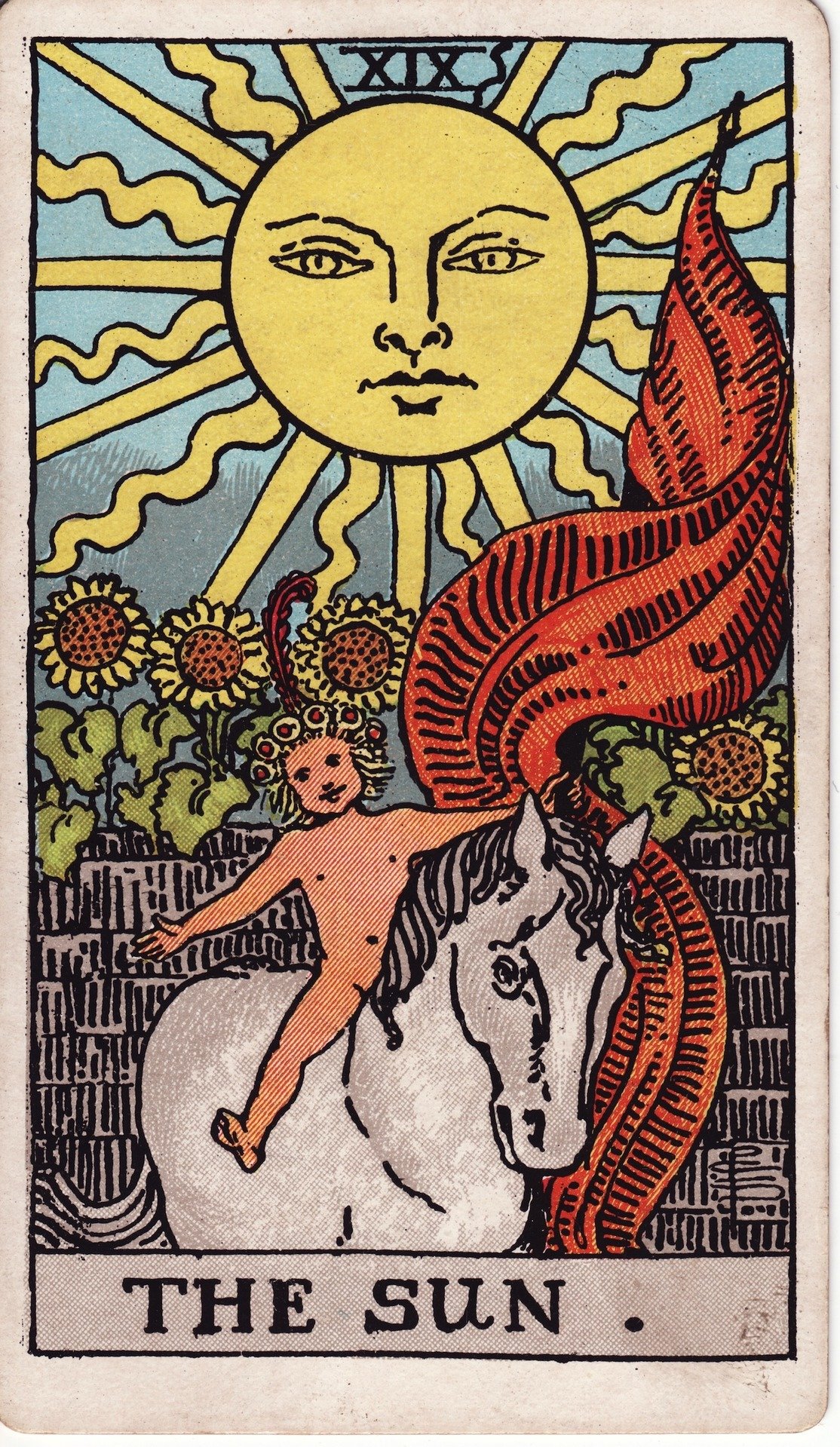
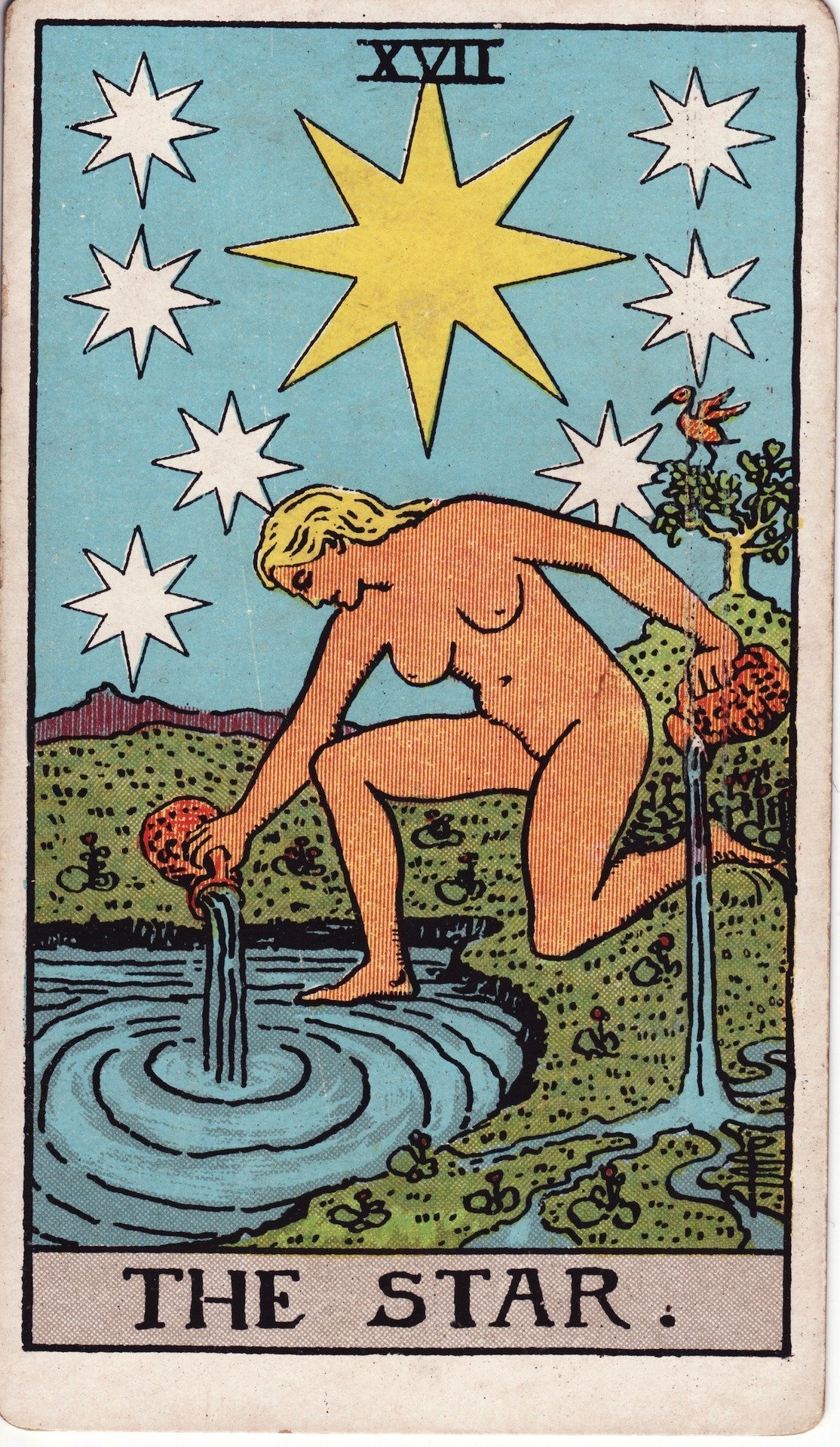
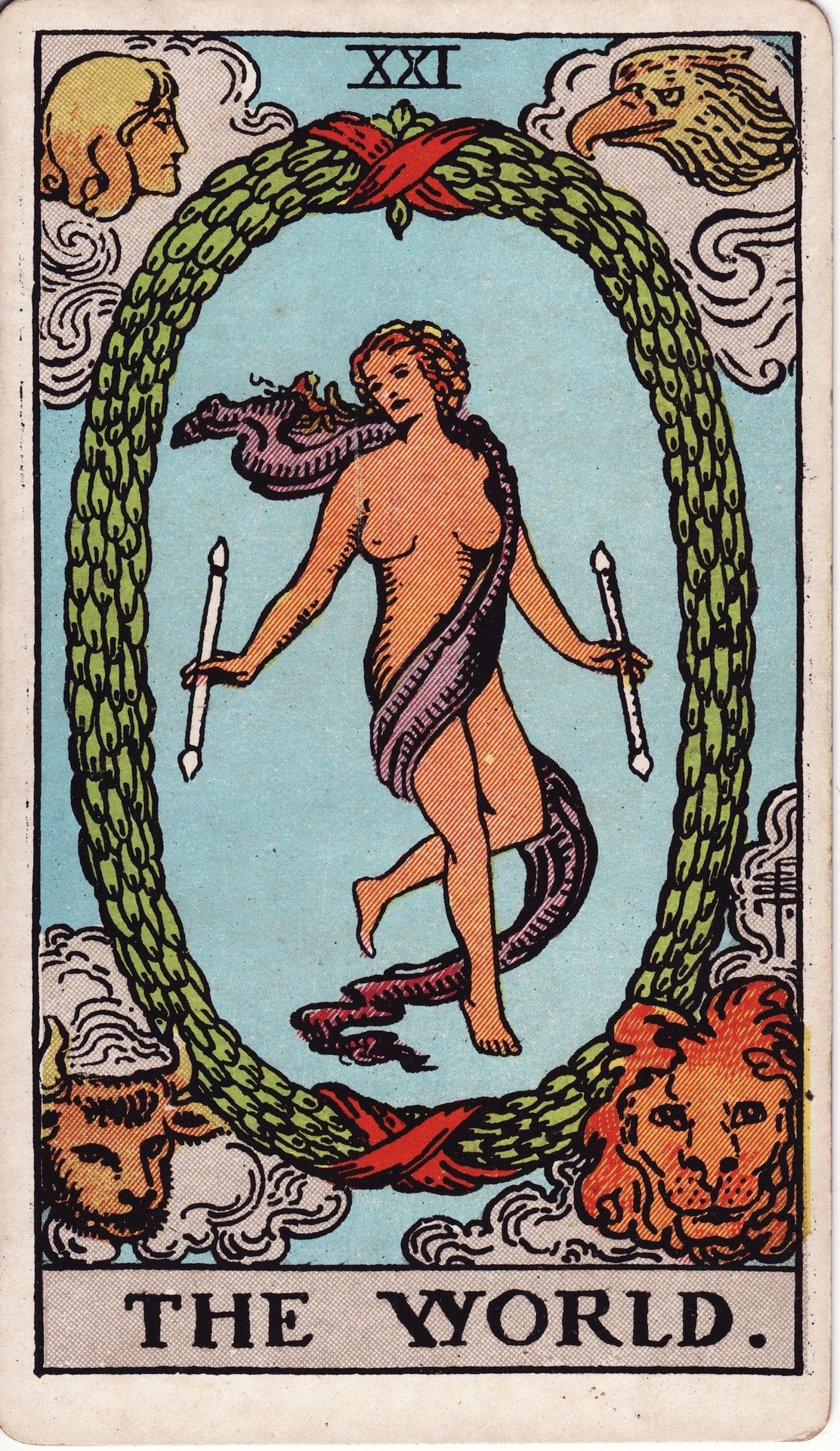
These three major arcana cards form the classic trio of encouragement. The Sun is traditionally read as clarity and vitality: the situation comes into the light, energy returns, things go well in a straightforward way. The Star follows hardship with calm and recovery; readers associate it with hope that is grounded rather than wishful. The World marks completion, the successful close of a cycle, the sense of arrival after long effort.
Readers reach for these cards when a querent needs reassurance, but the honest ones frame the reassurance carefully. The Star does not promise the wish; it describes the conditions under which recovery happens. For the full major arcana context, see our guide to the 22 major arcana and the Fool’s Journey.
The tens: cups and pentacles
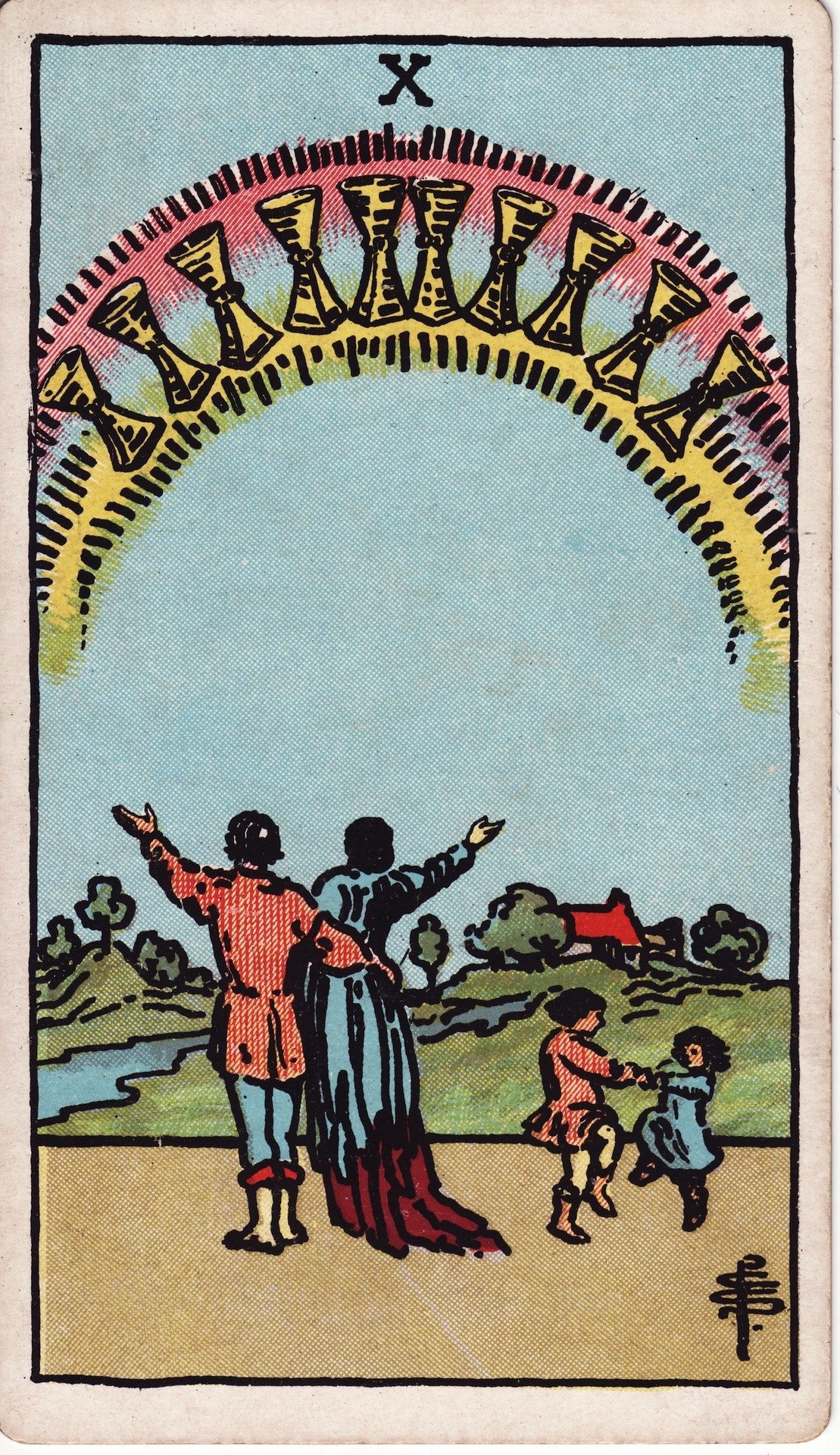
The Ten of Cups is the card of emotional fulfillment: family harmony, relationships that work, the quiet happiness of belonging. The Ten of Pentacles is its material counterpart: lasting security, legacy, the kind of stability that outlives a single good year. When readers call a card “the happy family card” or “the legacy card,” these are the ones they mean.
Both cards describe states to protect rather than prizes to chase. The Ten of Cups in a reading about a struggling relationship is encouragement to do the work, not a promise that the work is done. The tradition reads these as good news because they depict the thing people actually want, not because they hand it over.
The Aces and the Nine of Cups
Aces signal beginnings with clean energy. The Ace of Cups traditionally marks new emotional openings: love, friendship, creative flow, or simply the capacity to feel again after numbness. The Ace of Pentacles marks new material opportunity: a job lead, a workable plan, a seed worth planting. Readers treat aces as green lights, with the caveat that a beginning is not a result.
The Nine of Cups is sometimes called the wish card, and it is the one most often overpromised. In reader tradition it describes contentment and wishes fulfilled, but it sits one step short of the Ten for a reason: the satisfaction is real but personal, and it asks for nothing beyond itself. Read it as “this can genuinely satisfy you,” not as “your wish is granted.”
The Six of Wands and the Three of Cups
The Six of Wands is the card of recognition: effort noticed, a win acknowledged, public credit where it is due. It shows up in readings about job applications, creative work, and competitions. The Three of Cups is the card of friendship and celebration, the people who show up for you. Both are social cards, and their good news is about being seen and supported.
Context still rules. The Six of Wands in a reading about a conflict can describe winning at someone else’s expense, which is worth naming honestly. Our guide to practical meanings for all 78 cards keeps every card’s context attached to its keywords.
How to use “good news” cards honestly
The tradition behind these associations is real, but it is a tradition of reading, not a guarantee of events. A good-news card in a difficult spread often means the difficulty is survivable or the effort is worthwhile, not that the difficulty vanishes. The Sun after the Tower is not “everything is fine”; it is “clarity is coming through this.”
Read encouraging cards as descriptions of what is available: energy, support, openings, completion. Then ask the practical question: what would you do differently knowing this is available? That question turns a pleasant card into a useful reading, which is all any card can honestly offer.