

Vedic and Western astrology share ancient roots but answer different questions with different tools. Comparing them as if one is simply right misses the point: each is a complete system with its own logic. Here is what actually differs, and what it means if you are choosing between them.
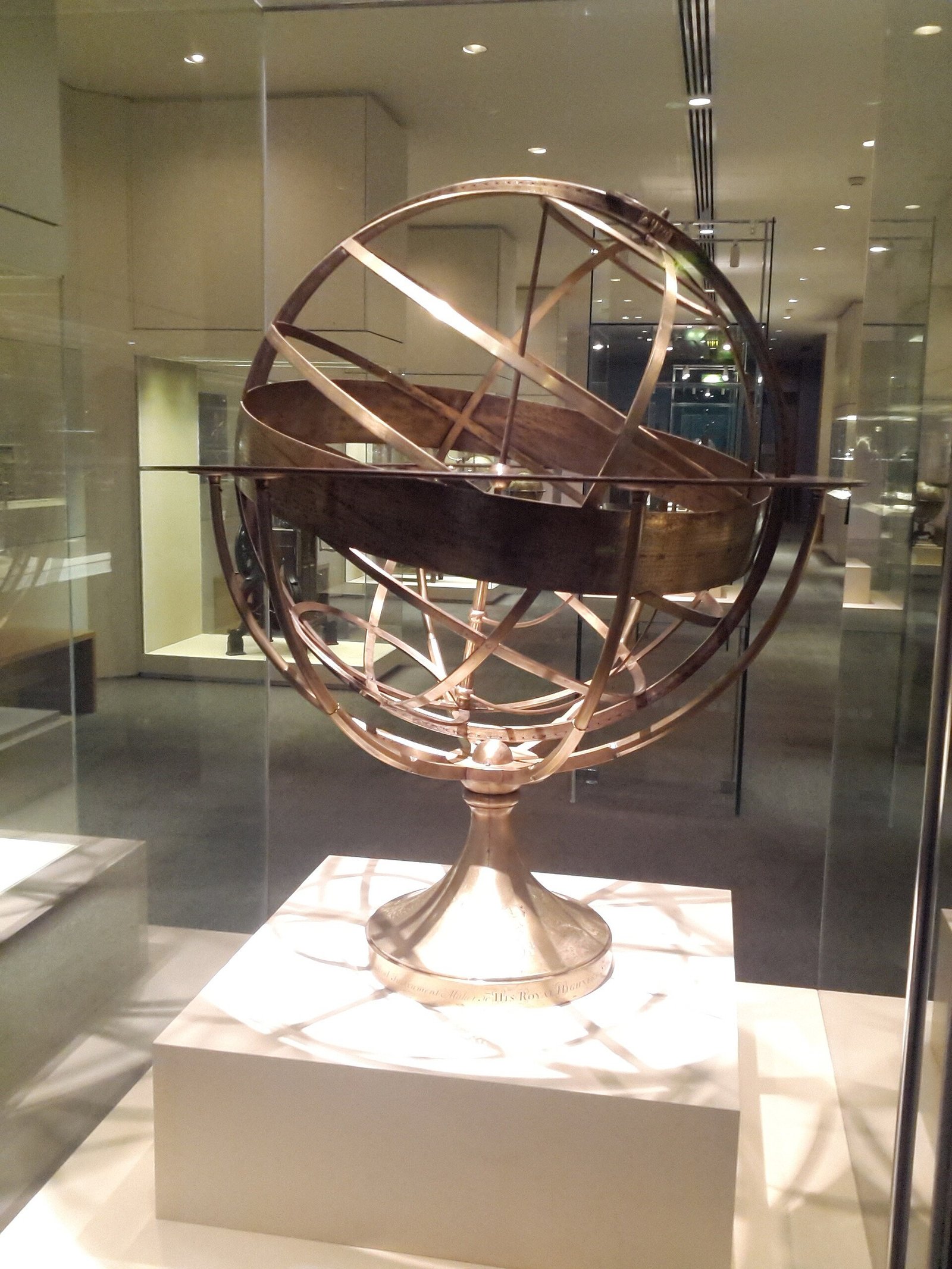
The zodiac: sidereal versus tropical
The largest technical difference is the zodiac itself. Western astrology uses the tropical zodiac, which is anchored to the seasons: 0 degrees of Aries always marks the spring equinox. Vedic astrology uses the sidereal zodiac, which tracks the actual constellations, subtracting a correction called the ayanamsa, currently about 24 degrees. The two zodiacs once agreed, roughly two thousand years ago, and have drifted apart since because of the slow wobble of Earth’s axis.
The practical result: most people have different sign placements in the two systems. Your Western Sun in Taurus may be a Vedic Sun in Aries. This does not mean one chart is wrong; it means the two systems define the zodiac differently. Our explainer on tropical versus sidereal astrology walks through the mechanics in more detail.
Predictive timing versus psychological portrait
Vedic astrology is built around prediction and timing. Its centerpiece is the dasha system, especially Vimshottari dasha, which divides life into planetary periods and sub-periods, each with a distinct character. A Vedic astrologer reading a dasha can speak concretely about when career, marriage, or health themes are likely to activate.
Modern Western astrology leans psychological. It treats the chart as a map of character and tendency: how you attach, how you fight, what you need to feel secure. Timing exists in the Western toolkit too, through transits and progressions, but the emphasis is on inner life and choice rather than scheduled events.

Neither emphasis is more legitimate. The predictive approach gives concrete timelines but can sound fatalistic if read carelessly. The psychological approach gives room for agency but can drift into vague generalities when a reader avoids specifics. Both risks are reader problems, not system problems.
Houses, aspects, and technique
The two systems draw houses differently. Vedic astrology uses whole-sign houses: the sign of the Ascendant is the entire first house, each following sign the next. Much of Western astrology uses quadrant systems such as Placidus, with unequal houses. For the house basics, see our piece on what a house system is.
Vedic practice also weighs planetary strengths and weaknesses through a detailed dignity system, yogas, combinations of planets that promise specific life themes, and a separate lunar chart based on the Moon sign, which Vedic astrologers consider as important as the rising sign. Western astrology puts more weight on aspects, the geometric angles between planets, and on outer planets like Uranus, Neptune, and Pluto, which Vedic astrology does not use.
Which one fits you
Choose Vedic if you want a structured, timing-focused practice and are comfortable with the traditional framing of fate and effort. It suits people who want concrete period-based guidance and are willing to learn a demanding technical system.
Choose Western if you want a character-focused, psychologically oriented practice that centers personal choice. It suits people drawn to self-understanding and to the modern counseling style of reading.
And it is worth knowing you can study both. Many practitioners use Western charts for character work and Vedic dashas for timing, treating the systems as complementary instruments rather than rival claims. The rivalry between them is mostly an internet phenomenon. In practice, serious students of either tradition spend years inside one system before judging the other, and the ones who know both rarely insist you must pick a side.
One more thing to expect if you try a Vedic chart for the first time: the layout will look unfamiliar. Vedic charts use whole-sign houses and a diamond-style north Indian layout or a square south Indian one, so your planets will sit in different houses than you are used to. Read it with the Vedic house meanings rather than mapping your Western habits onto it; the houses cover the same life topics, but the technique around them works differently.
Featured image: photo by Jakub Hałun (CC BY-SA 4.0), via Wikimedia Commons.