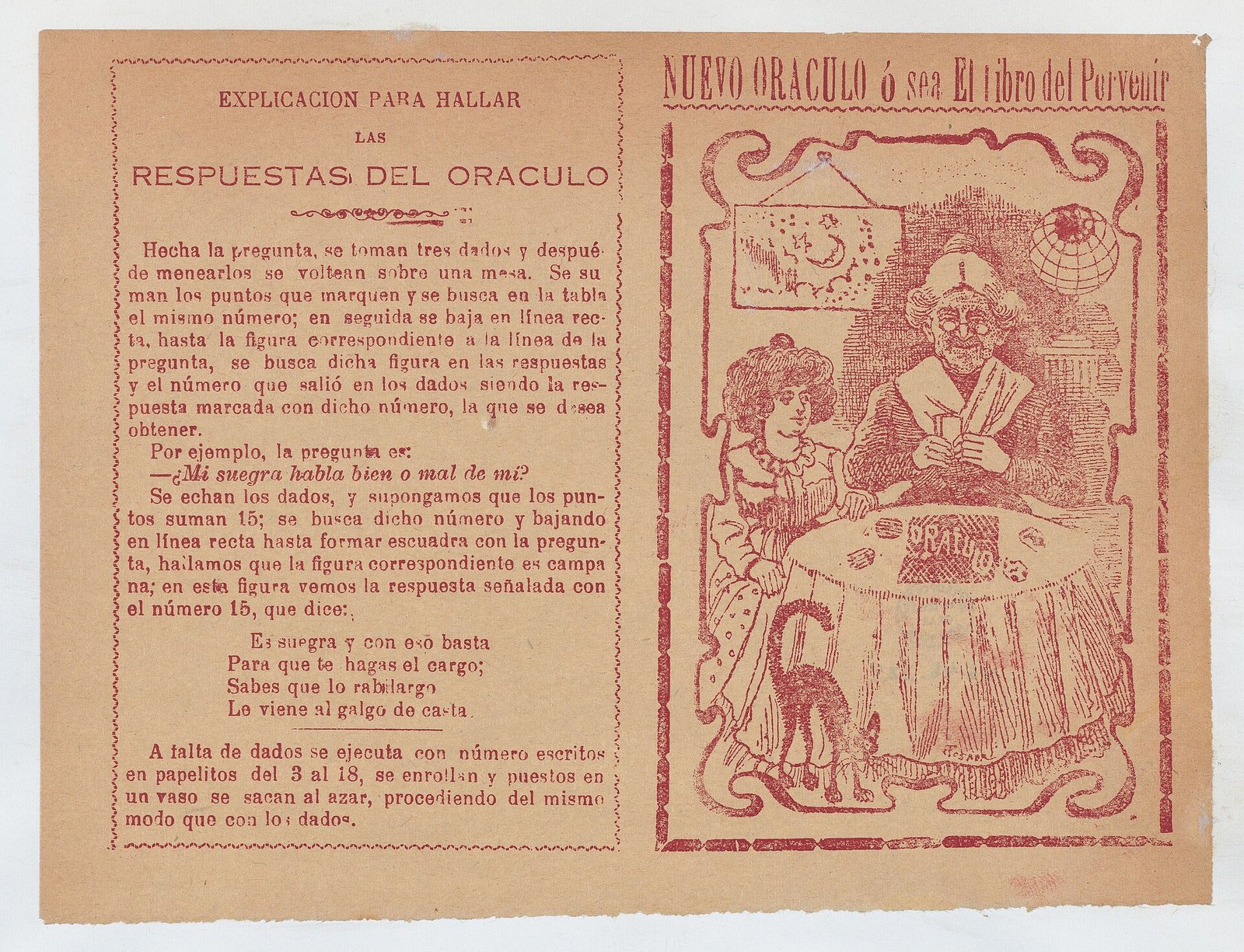
Tarot and Lenormand sit in the same drawer, but they are different instruments. Tarot reads through layered symbolism that invites interpretation; Lenormand reads through plain, literal symbols combined like words in a sentence. Knowing which temperament matches yours saves you from buying the wrong system and wondering why it never clicks.

Lenormand in brief
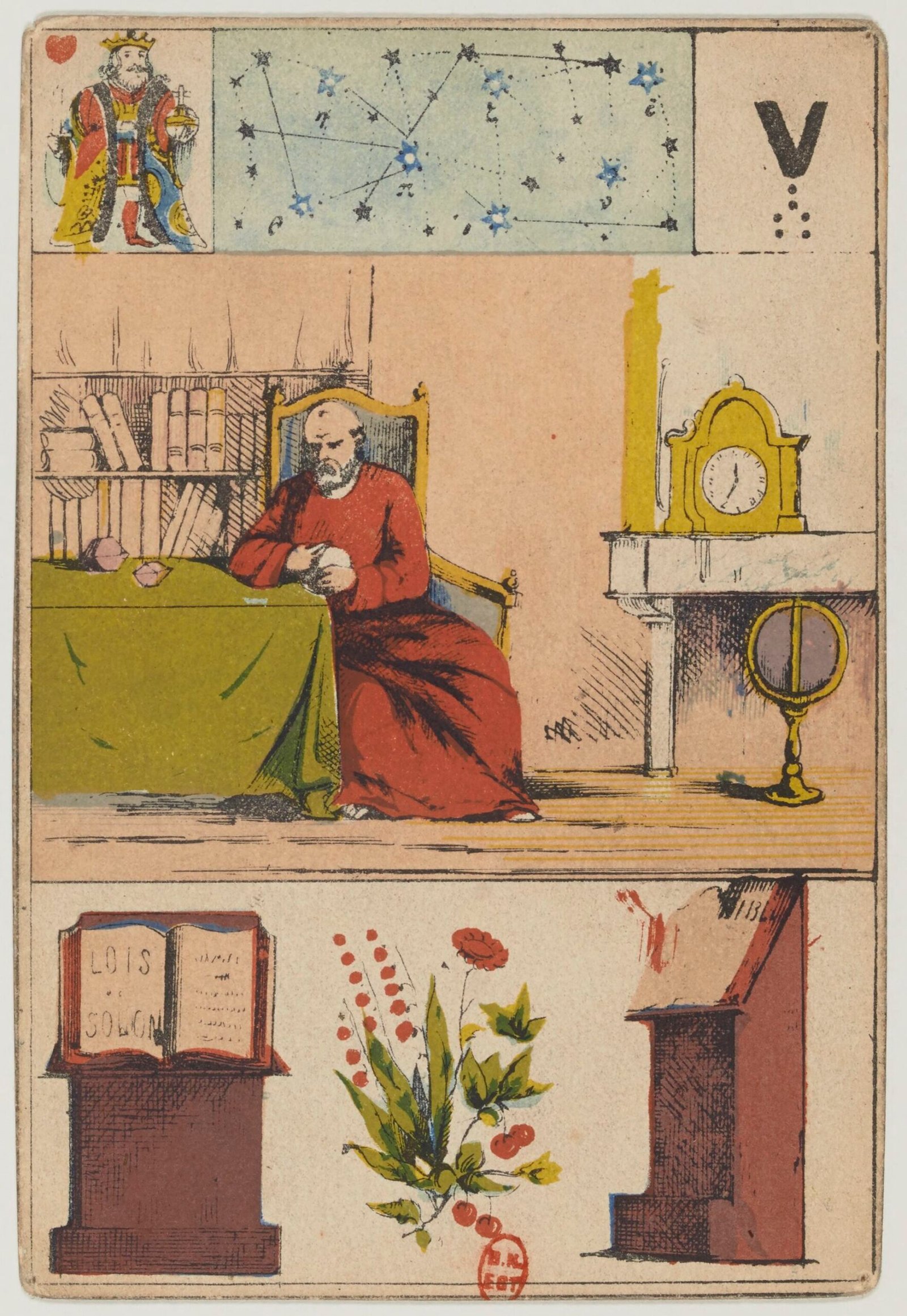
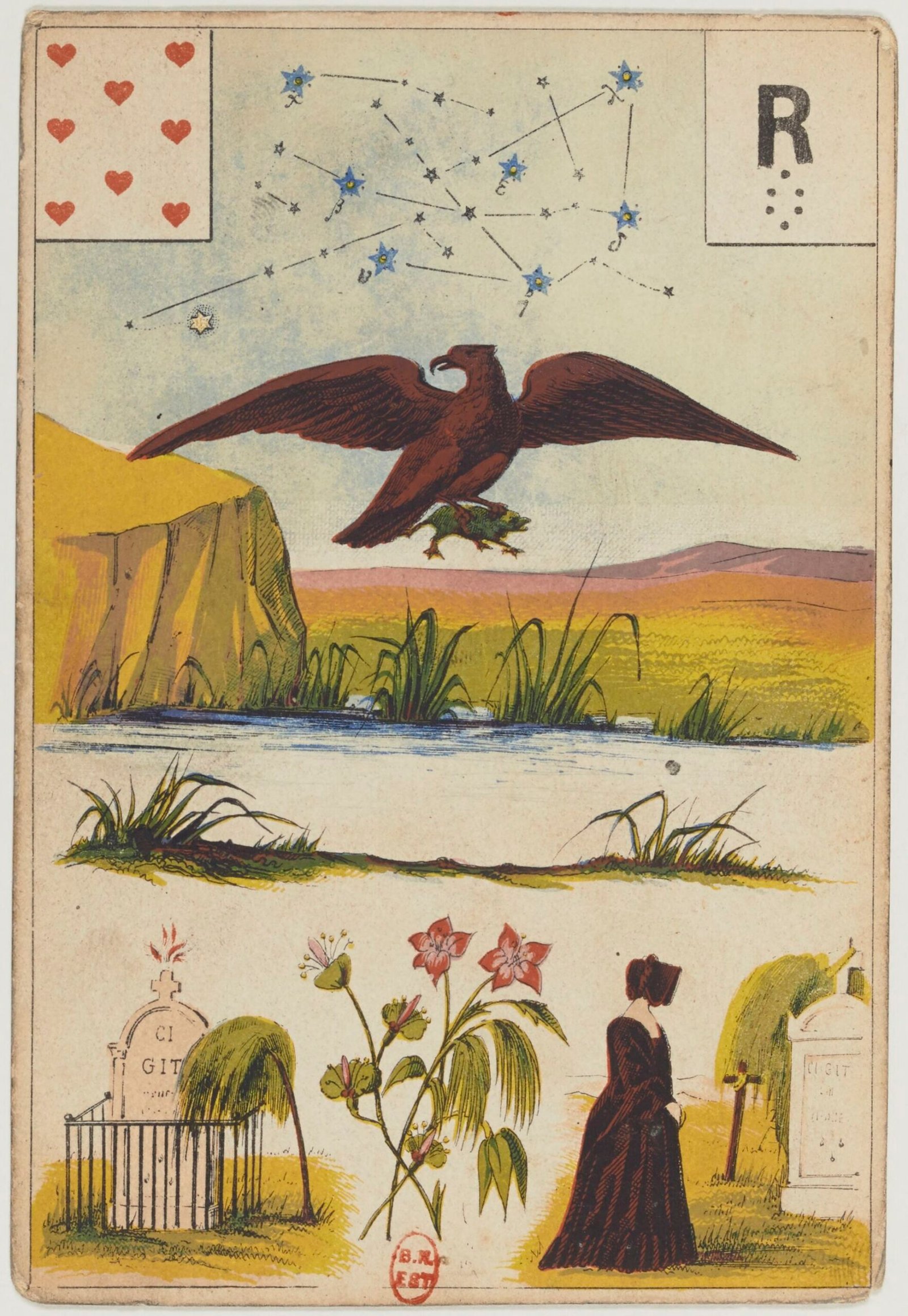
The Lenormand deck has 36 cards, and each one shows a single clear symbol: House, Ship, Dog, Coffin, Key, Birds, and so on. The deck is named for Marie Anne Lenormand, a French fortune-teller who died in 1843; the deck called the Petit Lenormand appeared after her death and borrowed her name. Lenormand cards are rarely read alone. Meaning comes from combinations, usually pairs and short lines: House plus Ship can point to property abroad, Dog plus Coffin to the end of a friendship.
The signature Lenormand spread, the Grand Tableau, lays out all 36 cards at once and reads the whole field around the significator, the card representing the querent. It is a wide, detailed snapshot rather than a deep psychological portrait.
Tarot in brief
Tarot has 78 cards: 22 major arcana with archetypal scenes and 56 minor arcana across four suits. Each card carries multiple layers of meaning, and a good reading weaves those layers into the question at hand. Our overview of tarot deck structure, suits, and symbols lays out the shared grammar, and a practical guide to all 78 meanings shows how much room each card gives an interpreter.
Where Lenormand combines fixed keywords, tarot interprets. The same card can speak differently in a question about work and a question about family, and part of learning tarot is developing judgment about which layer applies.
Literal versus layered
This is the real dividing line. Lenormand is literal: the Ship means travel or commerce, the Letter means a message, the Coffin means an ending. Questions get direct answers, which is why Lenormand readers are comfortable with concrete questions about timing, people, and outcomes.
Tarot is layered: the Tower can mean a sudden change, a revelation, or the collapse of a false structure, and the reading decides which. Tarot excels at exploring motives, patterns, and inner states, and it is weaker at yes-or-no timing questions, where its richness becomes ambiguity.
Neither system is shallow. Lenormand’s depth lives in combination, in how thirty-six simple symbols multiply into precise statements. Tarot’s depth lives in symbolism, in how one image can hold several true things at once.
Practical differences
Spreads differ. Lenormand reads pairs, three-card lines, and the full Tableau; positional spreads with assigned meanings per position are a tarot habit more than a Lenormand one. Learning curves differ too. Lenormand asks you to memorize about three dozen fixed keywords and then practice combining them, which most people can start doing within weeks. Tarot asks you to learn seventy-eight cards with multiple layers each, which takes months before readings feel fluent.
The reading experience differs as well. A Lenormand session tends to be brisk and specific: this person, that event, around this time. A tarot session tends to be slower and more reflective, with room to sit inside a card and talk about what it stirs up.
Which temperament is yours
Choose Lenormand if you want straight answers and enjoy puzzle-like work. Readers who like grammar, who want to know what will happen rather than why they feel the way they do, tend to love it. It is also a strong pick if you plan to read about practical matters like moves, jobs, and timing.
Choose tarot if you want reflective, open-ended readings. Readers who like psychology, story, and sitting with ambiguity will find more to chew on. It is the stronger pick for questions about relationships, decisions, and personal growth.
Many readers keep both and assign them different jobs: Lenormand for concrete questions, tarot for reflective ones. That division plays to each system’s strength instead of forcing one system to do work it was never built for. If you go this route, learn one system properly before adding the second; two half-learned systems produce muddier readings than one well-learned one.