
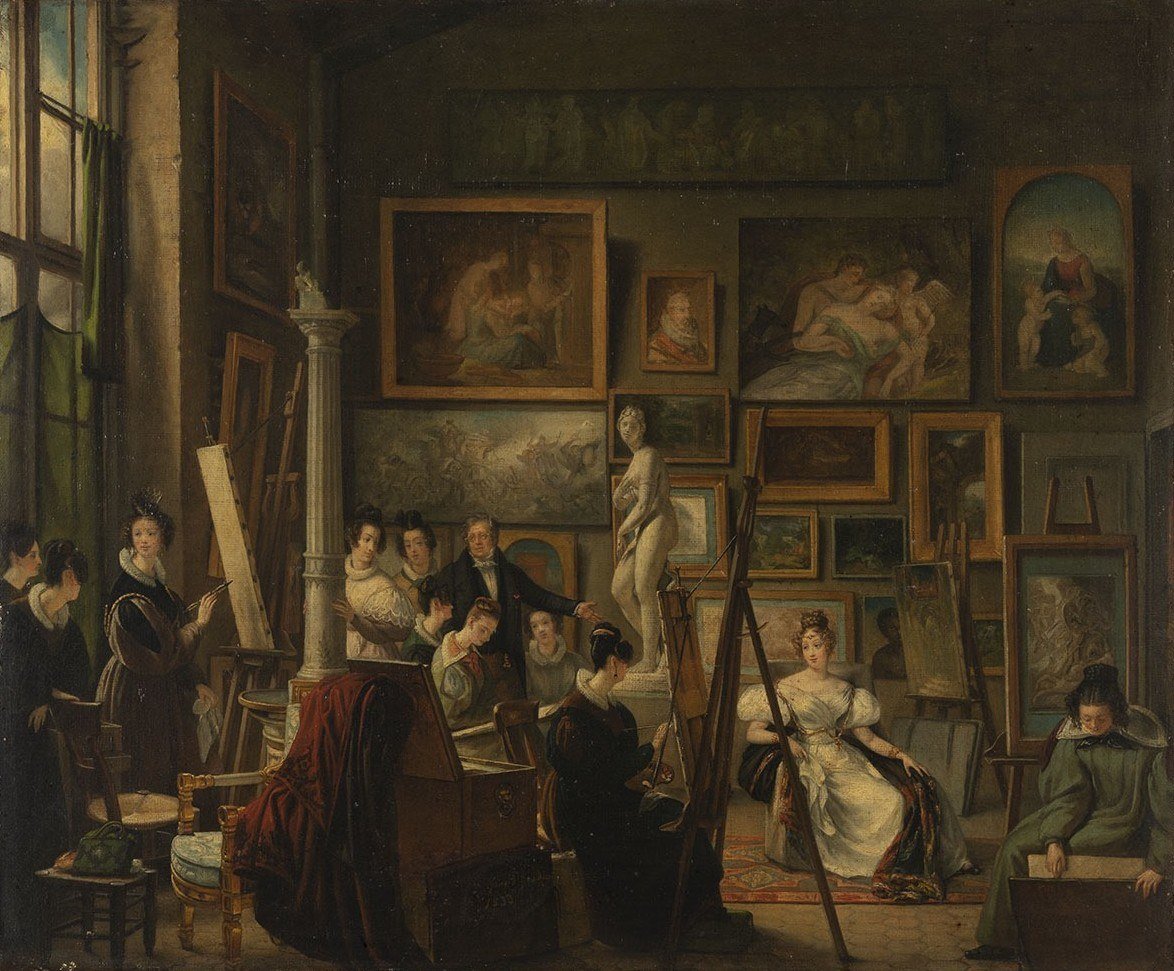
A creative block can feel like a door that will not open, even when you know the room behind it well. The paint is mixed, the page is open, the instrument is tuned, and still nothing comes. Tarot can help you look at the block without fighting it, by giving each part of the stuck feeling a place on the table. This spread is a tool for reflection, not a prediction about when the work will return, and it works best when you read it with patience for yourself.
Use this spread when a project has stalled for days or weeks and pushing harder only makes the work feel worse. Lay the five cards in a row, left to right, and let each position speak for one part of the picture. Write down the first plain sentence that comes to mind for each card, then sit with the whole row before you decide what, if anything, you want to try next in the studio.
The five positions
Position one is the block as it stands now. This card names the shape of the stuck place, whether it is fear of a poor result, tiredness, a missing skill, or a project that has grown too large to hold in one head. Position two is what feeds the block. This card asks you to notice the habit or pressure that keeps the block in place, from a deadline that looms too large to a comparison with someone else’s finished work.
Position three is what the work actually needs. This card is about the missing piece, which may be rest, a new tool, a smaller task, or a fresh pair of eyes. Position four is one small move, a step so modest you could do it today, such as sketching for ten minutes or writing one rough paragraph. Position five is what to let go of, the rule or expectation that no longer serves the work and can be set down without harm.
Keep the positions in this order, because the spread loses its shape if you jump to the small move before you have named the block. The small move comes after the need for a reason. You need to see what the work lacks before you choose a step that can actually help, or the step will only be another way to push against the same wall.
An example reading
Nora, a fictional reader, laid out this spread after three weeks of staring at a half-finished painting. Position one, the block as it stands now, showed the Eight of Swords, and she read it as a feeling of being tied up by her own rules about what the painting had to become. Position two, what feeds the block, showed the Five of Pentacles, and she read it as a worry about money that made every brushstroke feel like a test she could fail.
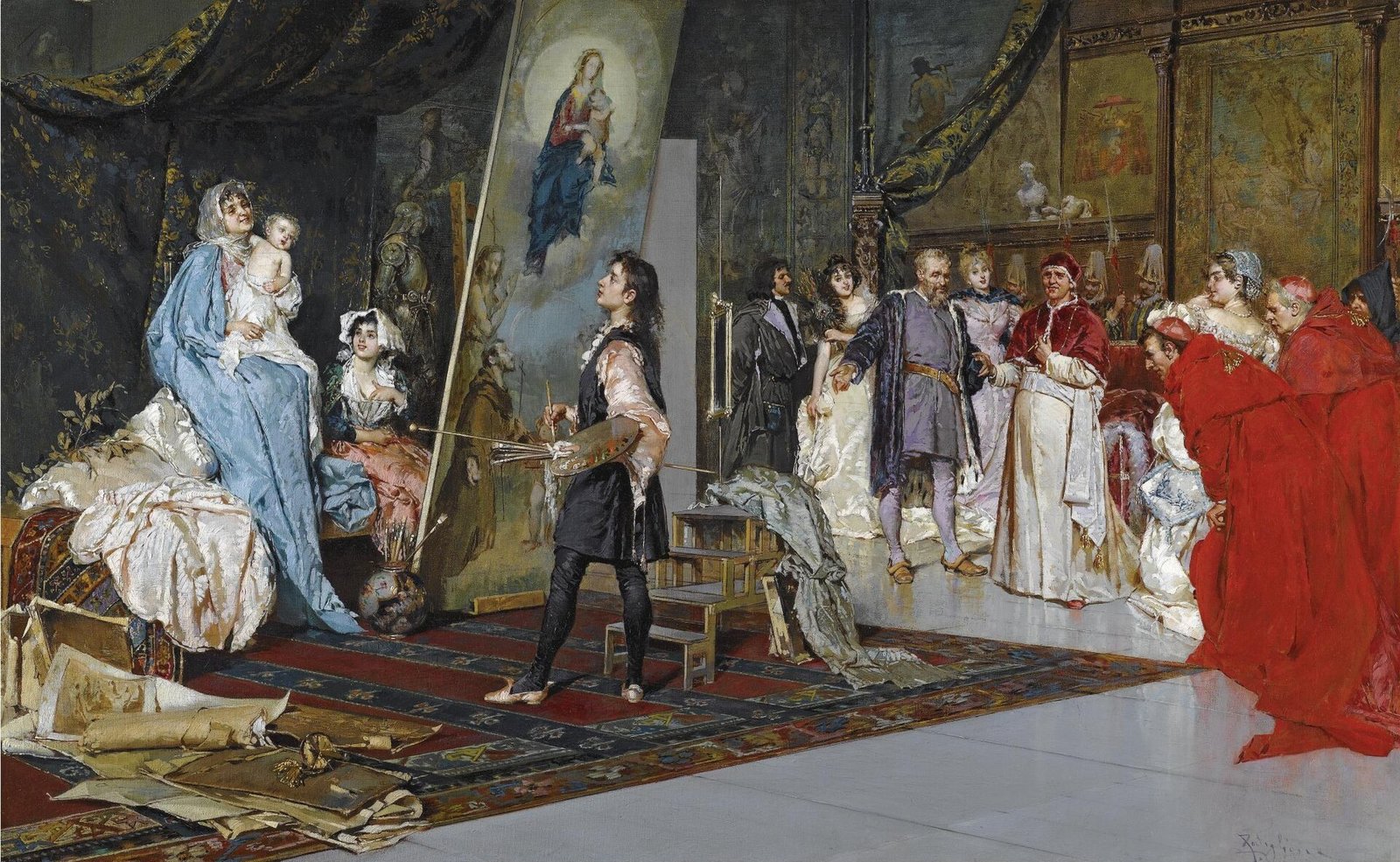
Position three, what the work actually needs, showed the Page of Cups, and Nora read it as a need to play again, to make small sketches with no plan and no audience. Position four, one small move, showed the Three of Pentacles, and she chose a morning of drawing with a friend, each of them working on their own piece in the same room. Position five, what to let go of, showed the Ten of Wands, and she set down the idea that the painting had to be finished by the end of the month.
Nothing in that reading told Nora when the painting would be done, and she did not treat the cards as a promise. The reading gave her a way to describe the block she already felt, and a step small enough to try without asking herself to change everything at once.
The misread to avoid
The most common misread in this spread is to treat position one, the block, as proof that you have lost your talent. A hard card there does not mean the skill is gone, and a gentle card does not mean the work will be easy from now on. A block can come from tiredness, from a project that needs a different shape, or from a season of life that leaves little room for making.
Read position one as a description of this week, not as a verdict on your whole creative life. Ask what the card names in plain terms, and what a smaller version of the work might look like today. If a card seems to point at failure, pause and reframe it as a need: more rest, a smaller canvas, or one hour of play with no result in mind.
Using the spread more than once
Repeat this spread when the project changes shape, not every day, and keep each reading beside the last one so you can see what repeats and what shifts. A card that returns in position two across three readings may point to a pressure that still needs naming, while a card that moves in position four may show that a new habit has started to hold. For a wider look at layout choices, see the guide to five-card Tarot spread layouts, and for a writing habit that helps between readings, try these Tarot journaling prompts.
Between readings, keep notes short and concrete: the date, the five cards, one sentence per card, and the one small move you tried. That record matters more than any single card, because it shows whether a step helped, whether it was tried at all, and whether the next reading needs a different step.