

A home renovation starts with a picture in your head and ends with dust in rooms you thought were finished. Between those two points sit money, noise, decisions about tiles, and weeks of living around the work. A tarot spread cannot choose your kitchen units or set your budget. It can slow the decision down long enough for the real priorities to show.
The spread below uses six cards in a single row. Name one project before you shuffle: one room, one scope, one budget range. A spread for “the whole house” will answer in general terms and help no one. A spread for “the kitchen, new units and floor, under a fixed sum, finished before winter” gives cards something concrete to speak to.
The spread, position by position
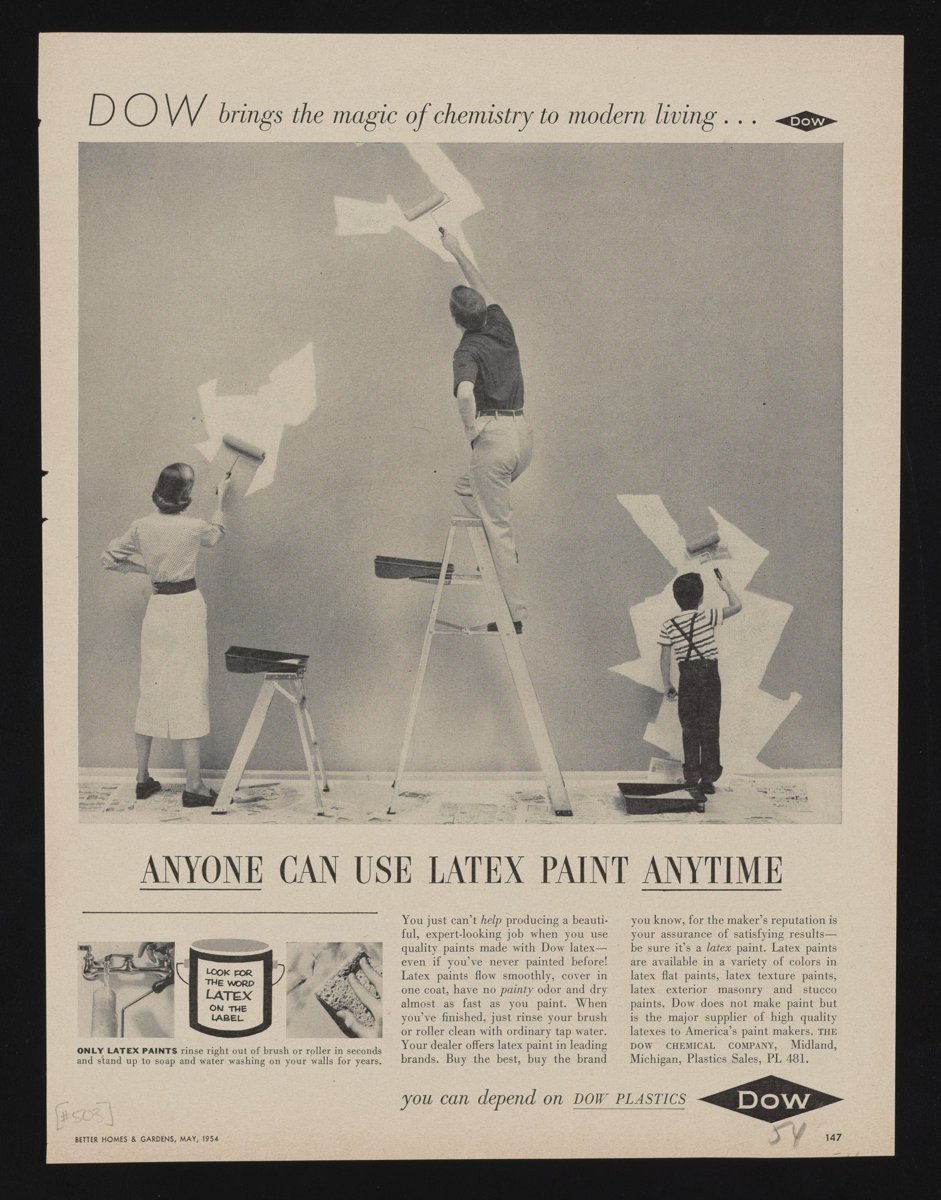
Card one is the house as it stands. It asks what the room already gives you and what it withholds. A card of comfort may show a room that works well and needs only repair. A card of restriction may show a layout that fights daily use: a door that blocks a table, a kitchen with no counter space, a bathroom with poor light. Start from what is true now, not from a catalogue picture.
Card two is the change that matters most. Renovations grow by addition: one extra cupboard becomes a new wall, then new wiring, then a new floor. This card asks which single change would improve daily life the most if nothing else happened. Hold that answer through the project. When a later suggestion adds cost without adding daily use, this card is the measure to test it against.
Card three is the budget reality. It asks how money will behave during the work, not how much you wish you had. A card of holding may point to a tight budget that needs a contingency sum kept aside. A card of sudden cost may point to old wiring or damp found behind a wall. Read this card beside written quotes, and keep a reserve for the surprise that most old houses hold.

Card four is disruption. It asks what daily life will look like while the work runs: noise, dust, a kitchen out of use, a bathroom shared, workers arriving early. This card helps a household plan in advance: a temporary cooking corner, a washing rota, a quiet room for calls. Naming the disruption early keeps it from feeling like a betrayal when it arrives.
Card five is help needed. It asks who should be involved and what kind of help counts: a skilled tradesperson, a friend with a van, a neighbour who has done the same job, or a professional survey before work starts. A card of teamwork points to shared effort. A card of lone work points to a job best left to one expert. Do not read this card as permission to skip safety checks or building rules.
Card six is the finished room feeling. It asks how the room should feel when the work ends, not how it should look in a photograph. Warm and easy to clean beats impressive and hard to maintain. Calm and well lit beats fashionable and dark. Keep that feeling in mind when choosing finishes, because finishes are where budgets leak. If you want a refresher on the basics before reading, this beginner guide to reading tarot cards walks through each step in order.
An example reading
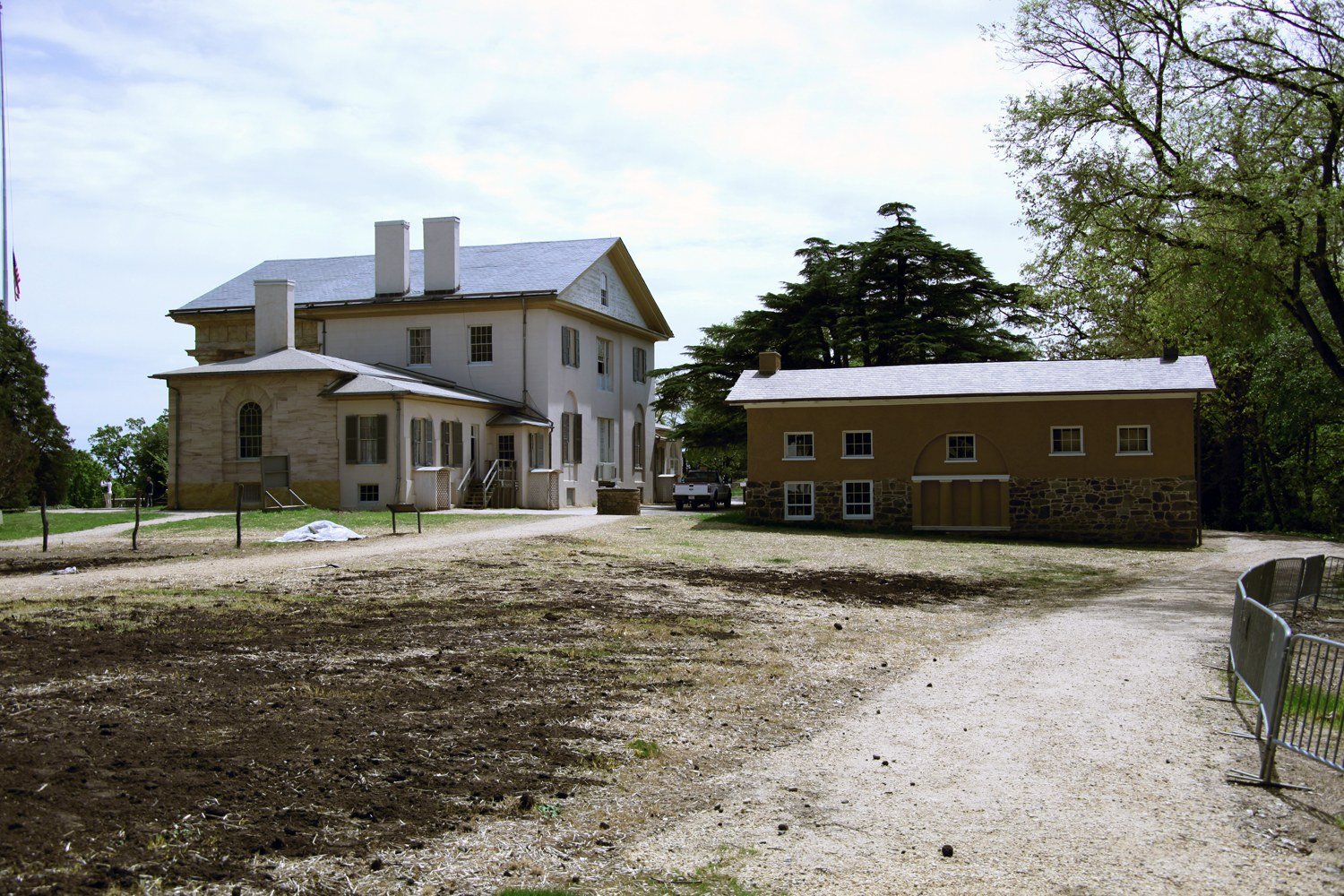
Consider a reader planning a small kitchen refit. Card one, the house now, is the Four of Pentacles: a kitchen held together by habit, with cupboards that still work but a layout that wastes space. Card two, the change that matters, is the Ace of Pentacles: a practical new start, more counter space and better storage, rather than a luxury finish. Card three, budget, is the Seven of Pentacles: slow return on money spent, so phasing the work makes sense.
Card four, disruption, is the Five of Wands: competing demands on the space, with cooking, washing, and work tools all fighting for the same few metres. Card five, help, is the Three of Pentacles: skilled work done in collaboration, a fitter who talks through the plan before cutting anything. Card six, the finished feeling, is the Ten of Pentacles: a room the whole household can use at once, with space for cooking together. Read together, the spread favours a phased refit with a clear cooking corner during the work, and a fitter chosen for communication as much as for price.
The misread to avoid
The common misread here is treating a reversed card as a stop sign. The Tower reversed in the disruption position does not mean the project is doomed. It often means disruption you can reduce: a slower pace, work done in stages, or a room kept usable while another is finished. Reversed cards usually soften, delay, or internalise a theme. For the mechanics behind that shift, upright versus reversed tarot cards explains what actually changes when a card turns over.
A second misread is letting one bright card override the budget card. The Sun in the finished-room position is a pleasant picture, but it does not pay the fitter. Read all six cards as a set, and let the budget and disruption cards set the pace even when the final card glows. Tarot supports a renovation best when it prompts a written plan: scope, quotes, contingency, dates, and a temporary kitchen. Put that plan on paper, then let the cards sit beside it as a second view, not as a substitute for it.