

Mars describes drive, energy, and the urge to act. The 6th house describes daily work, routines, service to others, and the habits that keep a household and a job running. Mars in this house puts energy into the ordinary day. The person may not seek grand gestures. They seek a workday that moves, a task list that shrinks, and a system that works better after they have touched it.
People with this placement often work at a brisk pace and notice inefficiency quickly. A slow queue, a repeated form, a tool stored in the wrong place, or a meeting without a clear purpose can irritate them more than a large abstract problem would. That irritation is useful when it leads to a fix. It becomes a problem only when it leads to constant friction with colleagues who work at a different pace, or to a personal standard that no ordinary day can meet.
Drive at daily work
At work, Mars in the 6th house often shows as reliability under pressure. The person may handle busy shifts, tight deadlines, or a sudden influx of tasks without losing momentum. Colleagues may rely on them for the practical jobs that others postpone: clearing a backlog, fixing a process, covering a shift, or training a new starter quickly. That reliability builds trust, and it can also build overload, when every urgent task lands on the same willing person.
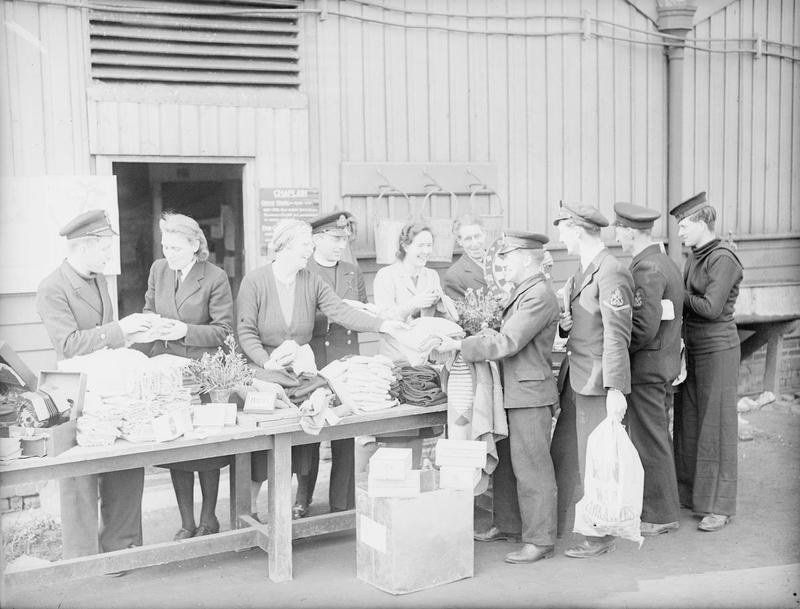
Service work fits this placement well, especially service that produces a visible result. Nursing support, teaching assistance, cooking, repair work, logistics, and customer service all reward direct action and care for detail. Even in office roles, the person may prefer tasks with a clear finish, such as processing a batch of cases, preparing a report, or sorting a shared drive. A day with many finished tasks feels satisfying, while a day of open-ended discussion can feel draining.
Routine, health habits, and rest
Daily habits often reflect this placement in a direct way. Exercise may be fitted into the day as a practical routine, such as cycling to work, a lunchtime walk, or a short morning workout. Meals may be planned for speed and fuel, rather than for ceremony. Sleep, however, can suffer when work drive extends into the evening. Answering messages after hours, or mentally rehearsing tomorrow’s tasks in bed, keeps Mars active when the body needs rest. A clear end to the workday, such as closing a laptop and changing clothes, helps mark the boundary.
Perfection pressure can also appear. The person may redo a task that was already good enough, check work repeatedly, or feel annoyed when others accept a lower standard. That pressure often comes from a genuine wish to serve well, not from a wish to control others. Still, it costs time and energy. A useful test is to ask whether further effort changes the result for the person served. If it does not, the task is finished, and energy can move to the next item on the list.
Minor illness, fatigue, or injury can frustrate this placement more than usual, because routine is the outlet for drive. When the outlet closes, even briefly, restlessness follows. The practical response is to adjust the routine rather than abandon it: a shorter walk instead of a run, a seated task instead of a standing one, or a reduced list for one day. That adjustment keeps momentum without forcing a body that needs recovery, and it avoids the crash that follows pushing through every signal to stop.
Working with others
Colleagues may experience Mars in the 6th house as both helpful and intense. Help arrives fast, often before it is asked for, and standards are high. At the same time, impatience can show when a process moves slowly or when a colleague needs more time to learn. Naming that impatience plainly, and pairing it with teaching, helps. A short explanation of a better method, given once and kindly, improves a team more than repeated corrections do.

The common misread
The most common misread of Mars in the 6th house is to label the person a workaholic and leave it there. That label misses the service motive behind the drive. Much of this energy goes into helping others, keeping systems running, and finishing tasks that benefit a team or a household. Workaholism describes work without rest or purpose. This placement describes work with a purpose, which still needs rest, but which should not be reduced to a single harsh word.
Working with this placement
A practical approach starts with a daily list of three main tasks, kept separate from a longer list of minor items. Finish the three, then stop or choose freely from the minor list. Add one rest habit that is protected, such as a walk without a phone, a proper lunch break, or a fixed finish time. Those two habits, a short main list and a protected break, give Mars a clear channel and a clear limit, which is the combination this placement needs most.
For chart readers, angular, succedent, and cadent houses explained places the 6th house in its cadent group, where daily work is refined before a new cycle, and empty houses in a birth chart explains how an unoccupied house still matters. Mars here does not need a busier day. It needs a workable routine, a task finished well, and rest taken as seriously as work itself.