
Once a year, the calendar hands you a natural reading frame: your birthday. The year-ahead spread lays twelve cards in a circle, one for each month from your birthday onward, and reads the coming year the way a weather report reads a season. It is the best annual spread in tarot because it is simple, it covers real time, and it gives you a journal you can check against all year.
Setting up the spread
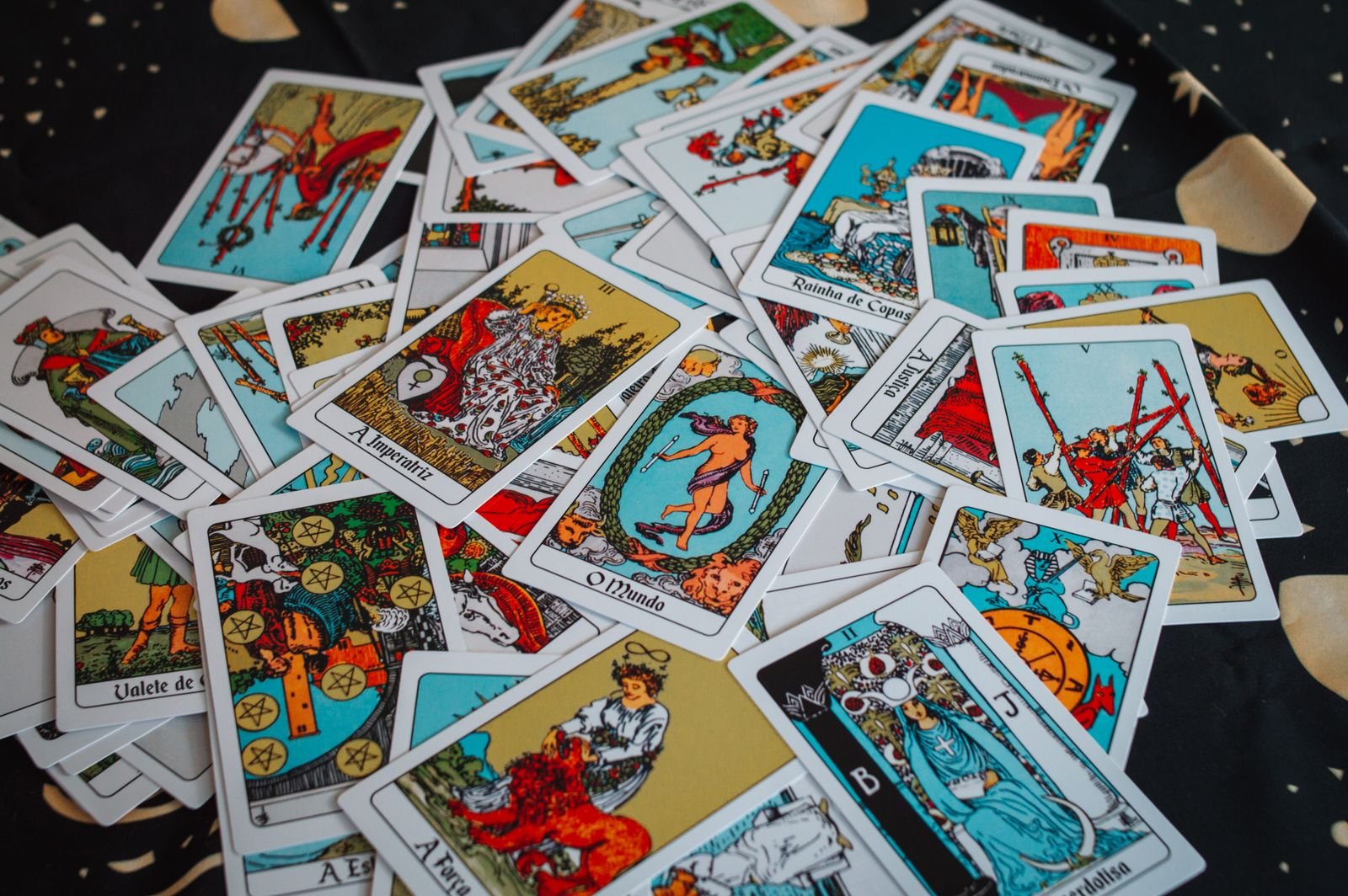
Do this reading on or near your birthday, when the year in question is actually beginning. Shuffle well, cut the deck, and lay twelve cards clockwise in a circle starting at the top, like a clock face. Card 1 is the month of your birthday, card 2 the month after, and so on around to card 12, the month before your next birthday.
Some readers add a thirteenth card in the center for the year’s central theme. That card is worth adding: it gives the twelve monthly cards a headline to sit under, and when the year gets confusing, the center card is the sentence you return to.
Reading each month
Read each card as the flavor of its month, not as a prediction of events. The Tower in the card for March does not mean your house falls down in March; it means March carries disruptive, rearranging energy, and you would do well to keep plans flexible. Courts in a month often point to people: a King of Pentacles month might be the month your accountant, your boss, or your own provider-mode matters most.
Write one sentence per month in a tarot journal as you go. Twelve sentences, dated. This is the whole point of the spread: in six months you can look back at what you wrote for September and see whether the cards were describing something you can now name. The journal turns a birthday ritual into a year of feedback about how you read.

Reading the year as a whole
After the twelve single readings, read the circle. Count the suits: a year heavy in cups is an emotional year, heavy in pentacles a material and work year, heavy in swords a year of decisions and mental load. Count the majors: three or more major arcana cards suggests a year of big-pattern change, while a year of mostly minors suggests steady, everyday building.
Look for clusters and gaps. Three difficult cards in a row mark a hard season to prepare for, not to fear; knowing it is coming is the advantage. A run of light cards marks a season to use well. And notice which months got the cards you least wanted to see: those are usually the months the spread is most useful about, because they are the ones you would not have planned for on your own.
Revisiting through the year
The spread keeps working if you revisit it. At the start of each month, pull the card for that month back out and sit with it for a few minutes. Ask what the card’s advice looks like in this month’s actual calendar. A monthly card draw pairs naturally with this: the daily card is the weather today, the birthday card is the climate this month.
At the year’s end, before your next birthday reading, go through all twelve sentences and mark what landed. Be honest about misses too. Readers who do this for two or three years build something no book can give them: a personal record of how their own readings map onto their own life. That record is what turns the birthday spread from a party trick into a practice.
Variations worth trying
If twelve cards feels like too many, lay six cards for six two-month blocks instead. If you want more detail, pull one clarifier per quarter: a second card under the cards for months 3, 6, 9, and 12. And if your birthday already passed months ago, the spread still works starting from the current month; the circle is a tool, not a ceremony, and it does not punish lateness.