
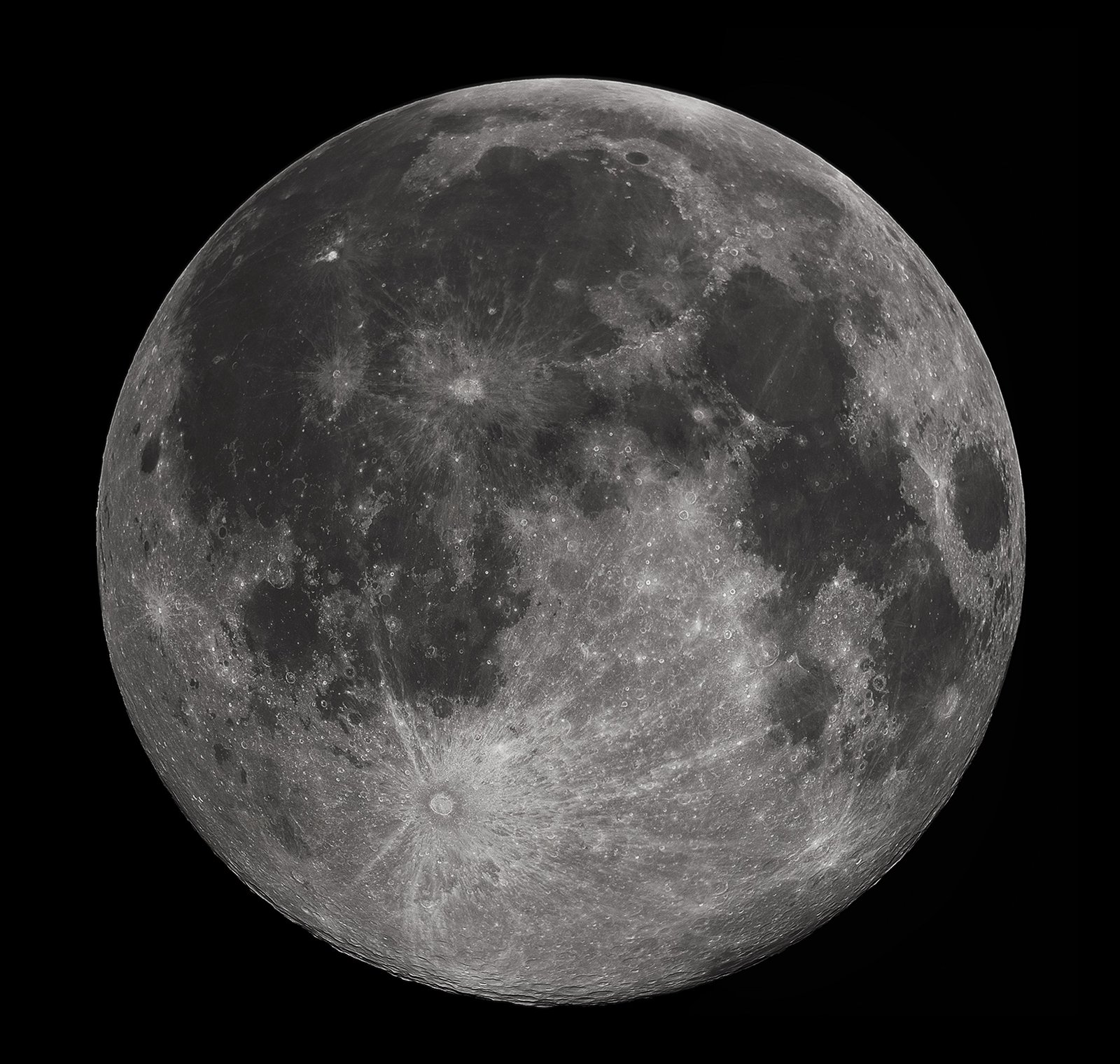
Your Moon sign gets all the attention, but the Moon has another natal signature that most chart summaries skip: whether it was waxing or waning when you were born. The Moon grows from new to full over about two weeks, then shrinks from full to new over the next two. That rhythm, the lunar phase at birth, flavors your emotional nature in a way the sign alone does not capture. Two people can share a Moon in Taurus and process feelings on completely different schedules if one was born under a waxing Moon and the other under a waning one.
First, the astronomy in one paragraph
The Moon does not produce light; it reflects the Sun’s. From our viewpoint, the lit portion grows after the new Moon, when Moon and Sun share the sky, until the full Moon, when they stand opposite each other. Then the lit portion shrinks back toward the next new Moon. Waxing means the light is increasing, from new to full. Waning means it is decreasing, from full to new. Your birth chart records the exact phase, and most chart calculators display it beside the Moon’s sign and degree.
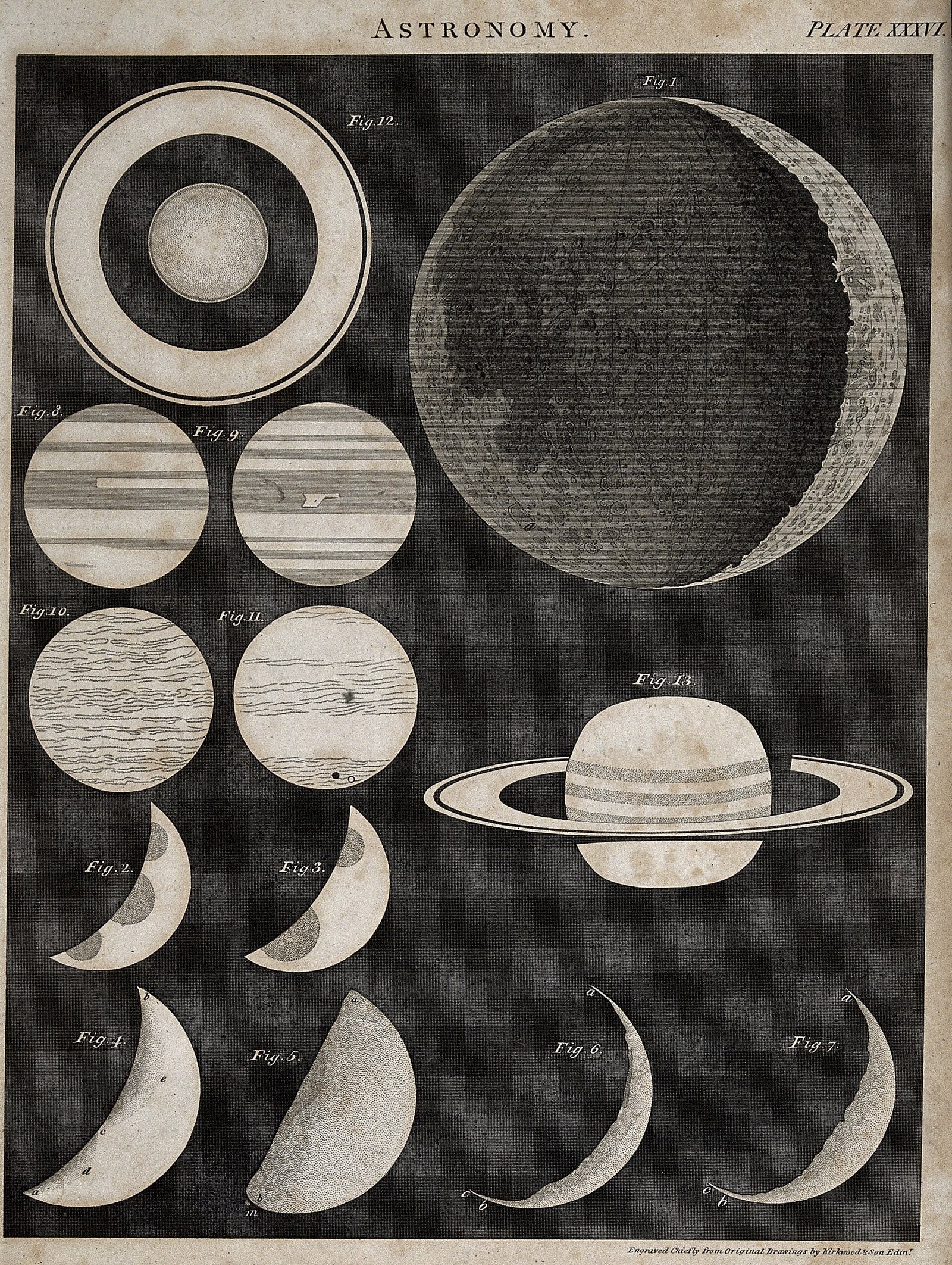
The waxing Moon: building energy
A waxing natal Moon, born between new and full, carries building energy. In traditional terms this is the Moon gathering light, and people born under it tend to gather too: experiences, skills, connections, momentum. The emotional style is forward-leaning. Feelings get processed by doing something about them. There is often an instinct to start, to add, to push toward the next thing.
The shadow side is restlessness. Building energy does not know when to stop building, so waxing Moon natives can chase the next milestone while the current one is still warm. The growth edge is learning that some things ripen without being pushed. Our comparison of Moon phase vs Moon sign explains how this phase layer interacts with the sign’s own style.
The waning Moon: releasing energy
A waning natal Moon, born between full and new, carries releasing energy. The Moon is giving back its light, and people born under it tend to give back too: to distill, to complete, to let go. The emotional style is reflective. Feelings get processed by sitting with them until they clarify. There is often an instinct to finish, to simplify, to clear space.
The shadow side is holding on too long to what is already over, or withdrawing before something has had its chance. The growth edge is learning that release is a phase, not a permanent address. Some seasons are for the waning work of completion, and some are for beginning again anyway.
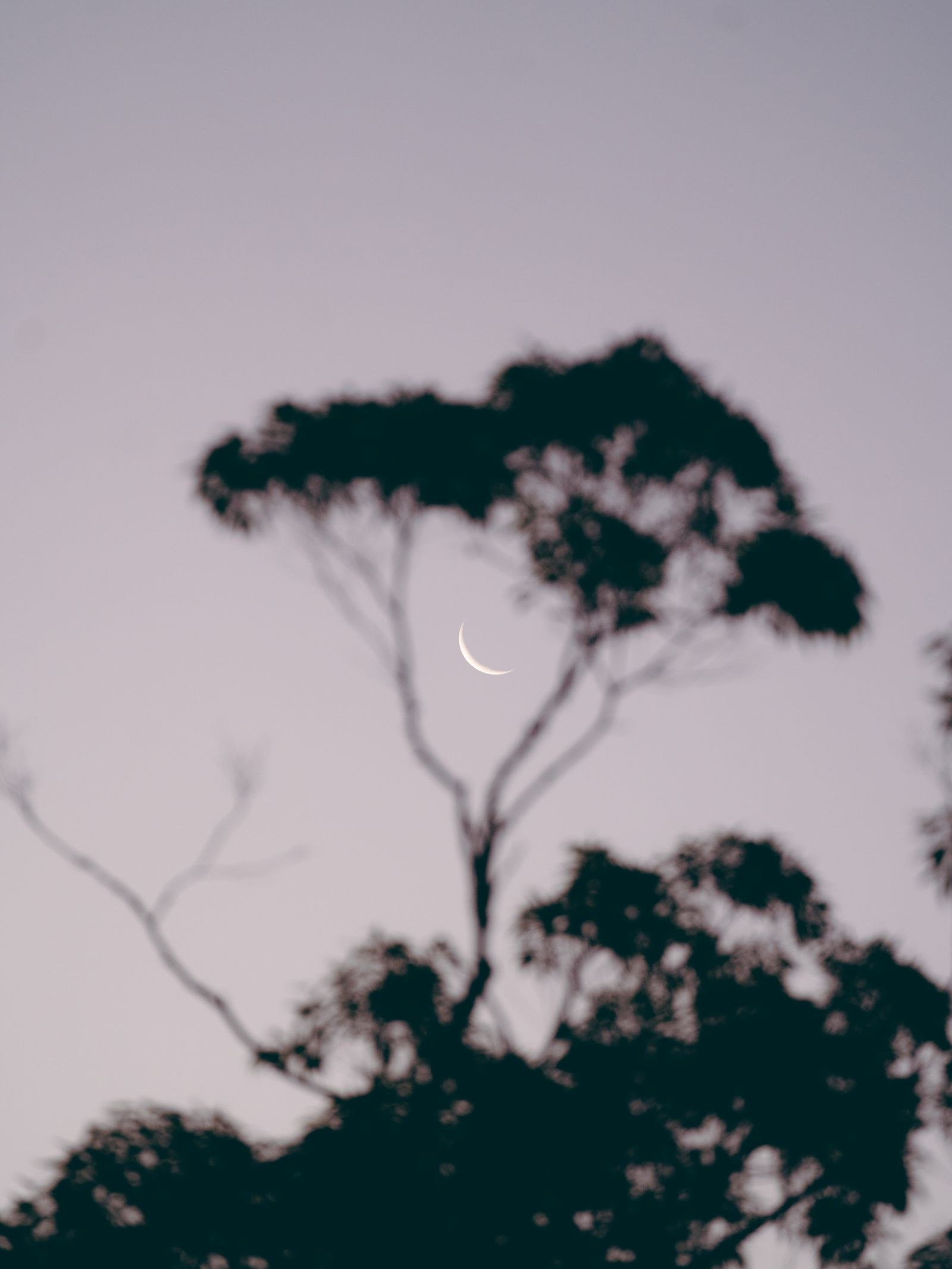
The eight phases, briefly
Astrologers divide the cycle into eight phases, each with its own flavor. New Moon births carry seed energy: instinctive, subjective, starting from scratch. Crescent brings the first push outward. First Quarter brings crisis of action, the will to build. Gibbous brings refinement and adjustment. Full Moon births carry culmination energy: objective, aware, often living life at higher volume.
Disseminating, the first waning phase, brings the teacher’s instinct to share what was learned. Last Quarter brings crisis of consciousness, reorientation. Balsamic, the dark of the Moon before the new, brings the seed-keeper’s energy: quiet, inward, preparing the next cycle. You can find your exact phase from any decent chart calculator, and it is worth knowing alongside the sign.
How it flavors the Moon sign
Think of the Moon sign as what you feel and the phase as how your feelings move through time. A waxing Moon in Cancer builds emotional security actively, creating home and family structures. A waning Moon in Cancer processes security reflectively, tending memory and releasing old hurts. Same sign, different tempo. This is also why the planet-sign-house distinction matters: each layer answers a different question, and the phase is one more layer worth checking.
Using it in real life
The practical use is scheduling with your own nature instead of against it. Waxing Moon natives often do their best emotional processing during the waxing half of each month, when the collective mood matches their natal rhythm; waning Moon natives often find the waning half more natural for reflection and closure. None of this overrides free will or the rest of the chart. It is a tide table, not a verdict. But people who check the tide tend to row with less effort, and the Moon you were born under is the tide you have been rowing in all your life.
Featured image: photo by Gregory H. Revera (CC BY-SA 3.0), via Wikimedia Commons.